

Endometriosis: Breaking the Taboos of the Invisible Disease
Marcello Ceccaroni, a gynecologist and surgeon at IRCCS Ospedale Sacro Cuore Don Calabria, reports that endometriosis has an incidence similar to diabetes but remains widely misunderstood. In his book “L’inferno invisibile,” Ceccaroni highlights that approximately 60% of girls missing school for menstrual pain may have the condition, often facing a 10-year diagnosis delay.
Ceccaroni, who directs the Department for the protection of women’s health and quality of life in Negrar di Valpolicella, argues the problem is as much social as it is medical. He states that cultural taboos surrounding menstruation often render the disease an “invisible drama.”
Why is there a significant delay in diagnosing endometriosis?
According to Ceccaroni, society is often unprepared to recognize early warning signs. Menstrual pain is frequently dismissed as normal or something to be endured, a perception often passed down through generations.
This lack of recognition leads to an average 10-year gap before a formal diagnosis. During this decade, patients may face social and psychological isolation as their pain is denied or attributed to stress.
Ceccaroni notes that this prolonged invisibility can lead to serious mental health consequences. He cites increases in depression, psychiatric disorders, and general mental distress among patients who are not believed by doctors or their social circles.
How does endometriosis affect a woman’s daily life?
The pathology functions as a systemic disease rather than a strictly gynecological one. Ceccaroni describes it as a “biological hell” involving diffuse neuroinflammation where nerves act like “crazy electric wires” that amplify pain.
The impact on daily functioning is concrete. Ceccaroni reports that approximately 40% of patients are forced to make changes to their professional or educational paths. Additionally, 30% of patients experience difficulties with maternity.
Physical symptoms are cyclic and typically worsen over time. These include increasing menstrual and ovulatory pain, deep dyspareunia (pain during sexual intercourse), and chronic fatigue. In advanced stages, patients may experience intestinal and urinary symptoms, chest pain, recurrent cystitis, low-grade fever, and tachycardia.
What are the current treatment and diagnostic goals?
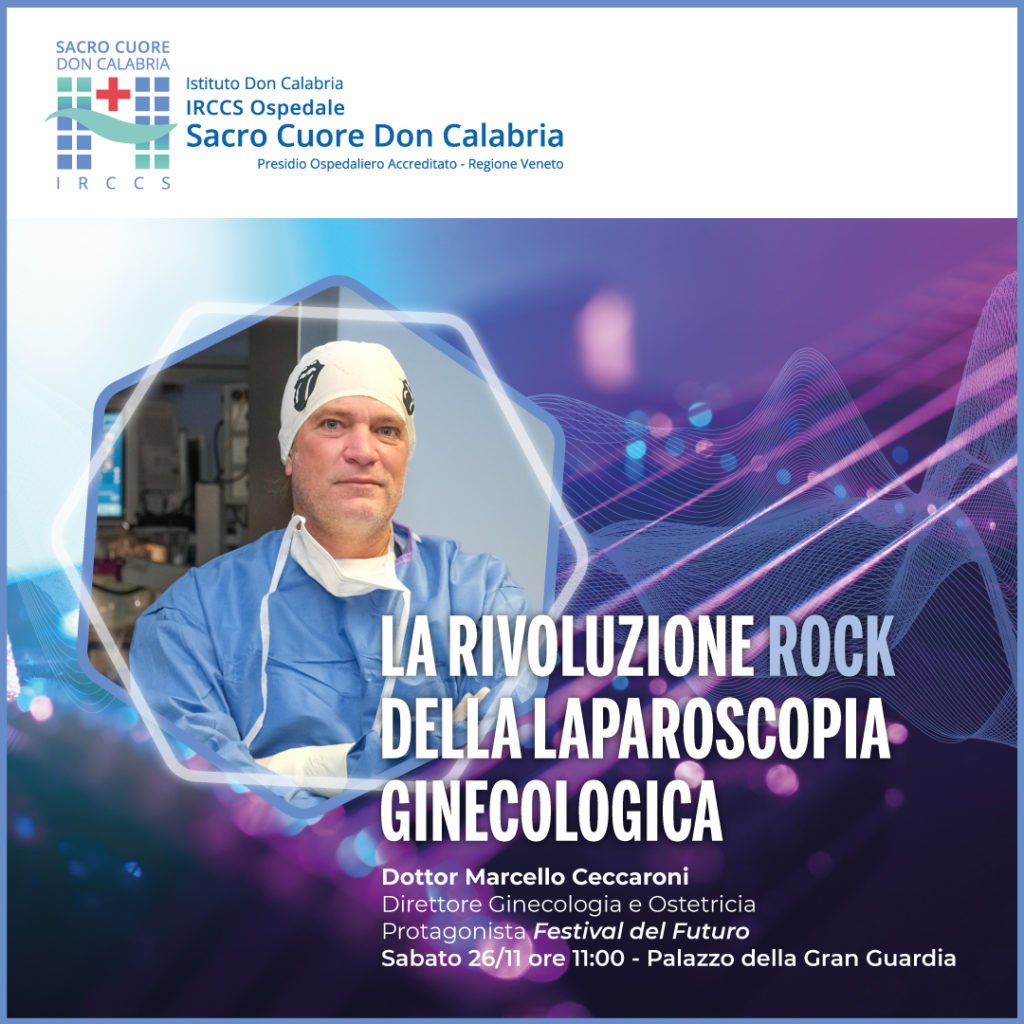
Ceccaroni developed the “Metodo Negrar,” a minimally invasive surgical approach to endometriosis that has been emulated globally. He also founded the International Society of Neuro Gynecology and nerve sparing surgery (ISNG) to advance the field.
Early recognition is the primary goal to avoid years of suffering. Ceccaroni compares a decade of missed diagnosis to 140 “fires in the belly,” based on the average of 14 menstruations per year.
A shift in cultural awareness could lead to earlier framing of the problem. Ceccaroni suggests that a more human approach to communication, moving beyond descriptive medical texts, may accelerate the cultural changes necessary for faster diagnosis.
Frequently Asked Questions
What is the average time it takes to receive an endometriosis diagnosis?
According to Marcello Ceccaroni, it typically takes a decade for a patient to receive a diagnosis.
What percentage of patients experience professional or educational disruptions?
Ceccaroni reports that approximately 40% of cases result in forced changes to the patient’s school or professional path.
Is endometriosis considered only a gynecological issue?
No. Ceccaroni states that it is now recognized as a systemic disease.
How can healthcare systems better integrate the psychological impact of chronic pain into the diagnostic process for women?