
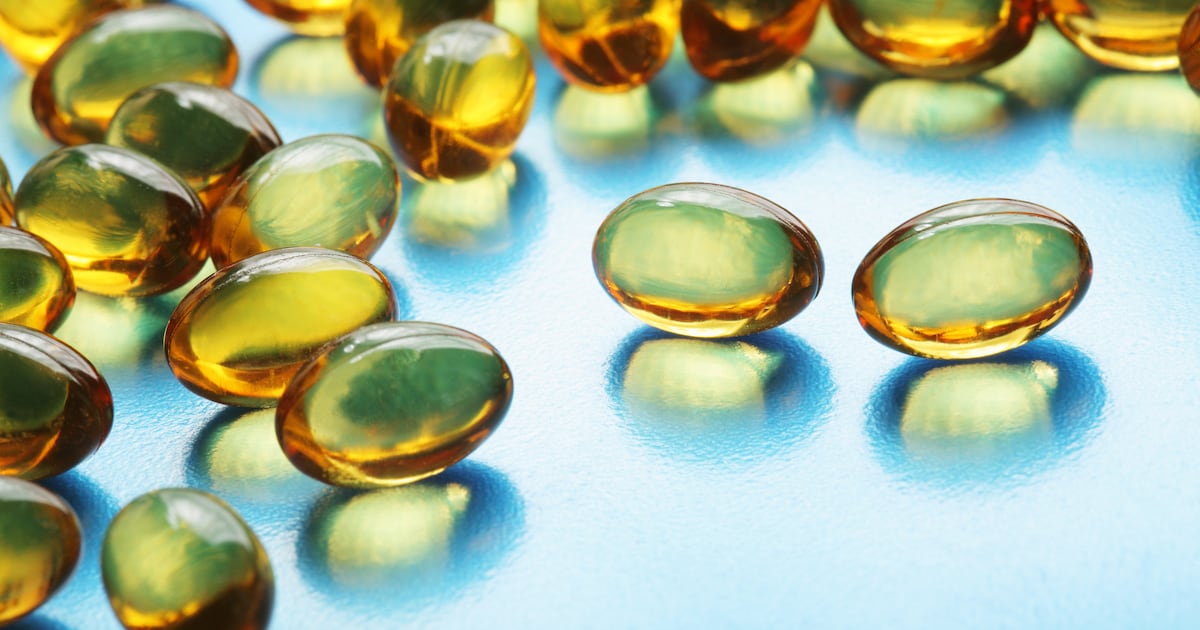
Epax cetoleic acid supplement lowers LDL cholesterol
Researchers from the University of Bergen have identified a potential breakthrough in cardiovascular health management by isolating the effects of a specific fatty acid found in fish oil. While traditional heart-health discussions often focus on omega-3 fatty acids like EPA and DHA, this study suggests that cetoleic acid (CA)—a long-chain monounsaturated fatty acid—may play a more significant role in cholesterol regulation than previously understood.
A New Perspective on Fish Oil
The clinical trial, published in the British Journal of Nutrition, involved 75 overweight and obese adults. Participants were randomized to receive either a 4 g daily dose of a cetoleic acid concentrate (CECO) derived from herring oil or a control supplement of soybean oil mixed with omega-3 PUFAs. By ensuring both groups consumed comparable levels of omega-3s, researchers were able to isolate the specific impact of the cetoleic acid.
After eight weeks, those taking the CECO supplement experienced a 7% decrease in LDL-cholesterol levels compared to the control group. Researchers suggest that this specific fatty acid may lower cholesterol by increasing bile acid excretion, reducing fat production in the liver, and decreasing the secretion of very-low-density lipoprotein (VLDL).
Implications for Heart Health
Beyond cholesterol levels, the study explored how fatty acids influence low-grade inflammation, which is a known contributor to insulin resistance and cardiovascular disease. The researchers observed that cetoleic acid and related fatty acids were incorporated into the membranes of white blood cells. This incorporation may alter membrane properties and enzyme activity, potentially reducing inflammatory markers.
What Comes Next?
The findings offer an enticing strategy for managing LDL-cholesterol, but the scientific community is likely to look for further verification. A possible next step for researchers is to investigate the effects of cetoleic acid concentration specifically in populations with an increased risk for developing metabolic health problems. As the data suggests that CA may influence signaling pathways within immune cells, future studies may also focus on the long-term impact of this supplementation on chronic inflammation and broader cardiovascular outcomes.
Frequently Asked Questions
How was the study conducted to ensure the results were due to cetoleic acid?
Researchers randomized 75 participants to receive either a cetoleic acid concentrate or a control supplement. Both groups received comparable levels of omega-3s, allowing the researchers to distinguish the specific effects of the cetoleic acid from those of the omega-3s.
What is the potential impact of this supplement on heart disease?
The trial observed a 7% decrease in LDL-cholesterol among participants. Researchers estimate that a reduction in this range could lower the risk of coronary heart disease by approximately 15%.
How does cetoleic acid affect the body at a cellular level?
The study suggests that cetoleic acid may reduce cholesterol synthesis in the liver and decrease VLDL secretion. It appears to be incorporated into immune cell membranes, which may alter enzyme activity and inflammatory markers.
How might these findings change the way you view the role of fish oil in your own diet?