

Equine influenza: Confirmed case and Goffs Arkle sale
The British Horseracing Authority (BHA) has confirmed a case of equine influenza in a vaccinated thoroughbred racehorse based near Bridgnorth, Shropshire. The horse arrived from the Goffs Arkle Sale on June 12 and shared transport with eight other horses, leading the BHA to issue biosecurity warnings to the racing industry.
How did the equine influenza case start?
The infected horse was purchased at the Goffs Arkle Sale in Kildare Paddocks between June 9 and 11. According to the BHA, the animal arrived at a yard adjacent to licensed training premises on June 12 without exhibiting clinical signs.
Mel and Phil Rowley identified signs of infection on Saturday evening and reported the findings to Equine Infectious Disease Surveillance. Subsequent testing confirmed the virus.
The horse remains in isolation. The BHA stated that no horses are permitted to move to or from the yard or the licensed premises until the authority is confident there is no wider risk to the industry.
What are the risks to other racehorses?
The BHA identified eight other thoroughbreds that traveled to Britain on the same lorry as the infected horse. These animals were moved to a mix of licensed yards, pre-training yards, and other premises.

The BHA has contacted the owners and those responsible for these horses to advise on testing and other appropriate actions. The authority is also urging all trainers who purchased horses at the Arkle Sale between June 9 and 11 to maintain strict isolation and vaccination protocols.
One concern involves a runner from the affected yard that competed at Uttoxeter on Saturday, June 13. While the BHA describes the risk of onward contamination as “very low” due to biosecurity measures, it has asked trainers who had runners at that meeting to remain alert for signs of flu.
How can trainers reduce the risk of infection?
The BHA, with input from infection control expert Dr. Richard Newton, advises that vaccination is a primary defense. Under the Rules of Racing, all horses racing in Britain must be vaccinated, with boosters administered no more than six months apart.
Trainers are told to monitor horses daily for specific symptoms. These include a rectal temperature above 38.5°C, a harsh cough, nasal discharge, lethargy, loss of appetite, or poor performance.
Additional biosecurity measures include regular hand washing, using designated equipment, and disinfecting shared tools. The BHA noted that a substantial proportion of recent outbreaks in non-thoroughbred populations involved horses that had recently moved premises.
What may happen next?
The BHA may continue to monitor the eight horses that shared transport with the infected animal to determine if the virus spread during transit. If further cases are confirmed, the authority could expand its warnings to other yards.
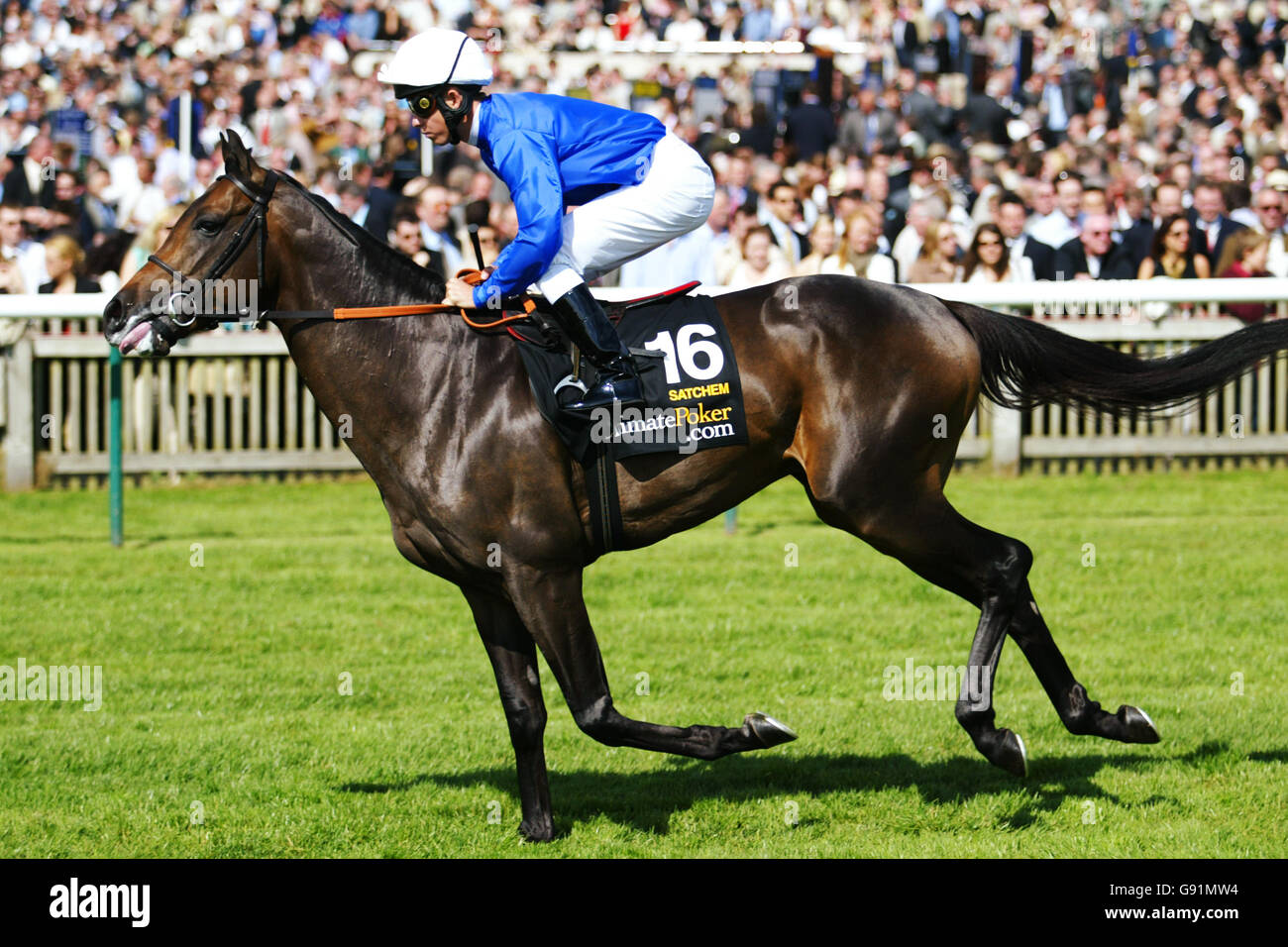
Racing schedules at specific venues could be affected if more horses from the Uttoxeter meeting show symptoms. A possible next step involves increased surveillance through the Horserace Betting Levy Board (HBLB) flu surveillance scheme and Equiflunet.
Frequently Asked Questions
Where did the infected horse originate?
The horse was purchased at the Goffs Arkle Sale in Kildare Paddocks between June 9 and 11 and arrived in Britain on June 12.
What are the primary symptoms of equine influenza mentioned by the BHA?
Symptoms include a temperature above 38.5°C, a harsh cough, nasal discharge, lethargy, poor performance, or loss of appetite.
How long should new horses be isolated?
The BHA urges trainers to isolate any new horse brought into a yard for at least 14 days.
Do you think stricter international transport rules could prevent similar outbreaks in the future?