

Equinor Abandons Renewable Energy Targets to Prioritize Oil and Gas Production
Equinor has officially abandoned its previous targets for renewable energy capacity and investment, signaling a strategic pivot back toward oil and gas production. CEO Anders Opedal confirmed at the company’s New York capital markets day that profitability remains the primary driver for the firm, superseding previous goals to transition toward green energy. This shift marks a reversal from the company’s 2025 trajectory, which originally aimed for 12–16 gigawatts (GW) of renewable capacity, a target that was later lowered to 10–12 GW before being scrapped entirely.
Why is Equinor prioritizing oil over renewables?
According to CEO Anders Opedal, Equinor’s core mandate remains the maximization of shareholder value through profitable development. Speaking to Dagens Næringsliv (DN), Opedal emphasized that the company has long signaled a preference for profitable projects over specific green energy metrics. The current strategy focuses on maximizing production on the Norwegian Continental Shelf (NCS) and expanding international oil and gas portfolios, which the company views as more reliable vehicles for financial returns in the current geopolitical and economic climate.
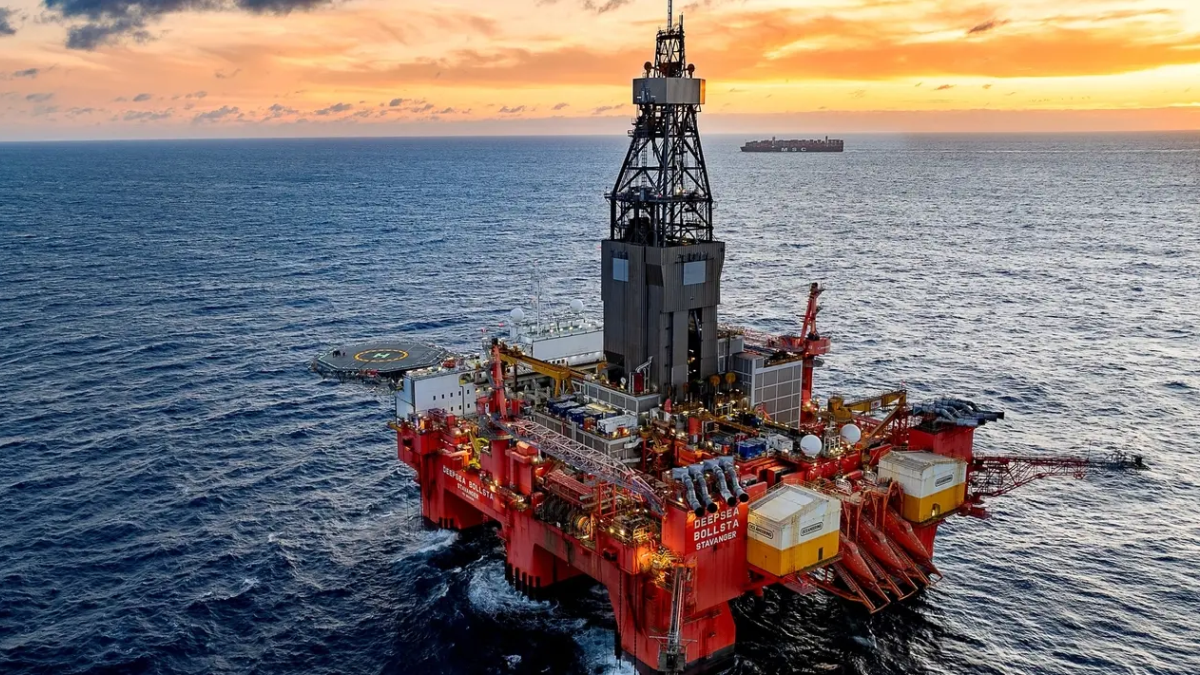
Equinor plans to drill 250 exploration wells through 2035 to maintain production levels on the Norwegian Continental Shelf, underscoring a commitment to traditional energy extraction.
How does the new production strategy affect output?
Equinor is scaling up its production ambitions significantly. The company has increased its 2035 production target for the Norwegian Continental Shelf from 1.2 million to 1.3 million barrels of oil equivalents per day. Simultaneously, the company intends to grow its international operations by 30% by 2030, aiming for a total output of 2.3 million barrels per day. This represents a 150,000-barrel daily increase over previous forecasts, as reported by DN.
The shift in investment: A comparison of goals
The company has moved away from its commitment to direct half of all gross investments toward renewables and low-carbon solutions by 2030. This shift highlights a tension between long-term energy transition goals and immediate macroeconomic pressures, including high interest rates, inflation, and the ongoing energy security crisis in Europe.
| Metric | Previous Goal | Current Status |
|---|---|---|
| Renewable Capacity | 10–12 GW | Target abandoned |
| NCS 2035 Production | 1.2 million boe/d | 1.3 million boe/d |
Frequently Asked Questions
- Why did Equinor drop its green energy targets? The company stated that profitability is the priority, and current market conditions favor oil and gas projects over renewable expansion.
- Is Equinor stopping its renewable investments? No, but the company is no longer bound by specific capacity or investment-percentage targets, allowing for more flexibility based on project profitability.
- What is the new focus for the Norwegian Continental Shelf? Equinor plans to increase production to 1.3 million barrels per day by 2035 through faster, cheaper field developments and an aggressive drilling program.
Stay informed on the energy sector
The energy transition is evolving rapidly. Subscribe to our newsletter to receive the latest updates on corporate strategy, policy changes, and market shifts. Join our mailing list here.