

Essential Retail Skills and Management Competencies
The Future of Retail Sales: Integrating Technology and Human Expertise
Retail roles are evolving from simple transactional tasks to complex, technology-enabled advisory positions. According to a report from the National Retail Federation (NRF), the future of the sales floor relies on a hybrid model where staff members act as human interfaces for digital inventory systems, providing personalized service that algorithms cannot replicate. This shift demands a mastery of point-of-sale (POS) software, real-time stock management, and deep product knowledge to maintain competitive profitability margins.
How Will Technology Redefine Sales Floor Management?
Future retail environments will prioritize seamless integration between physical inventory and digital databases. Retailers like Walmart and Target are increasingly deploying handheld POS devices that allow employees to check stock levels, initiate returns, and process payments without leaving the sales floor. This minimizes “friction,” a term used by retail analysts at Gartner to describe the lost time between a customer’s inquiry and a successful purchase. Employees must now be as proficient in retail software as they are in interpersonal communication to ensure compliance with company-wide safety and hygiene protocols during high-traffic periods.
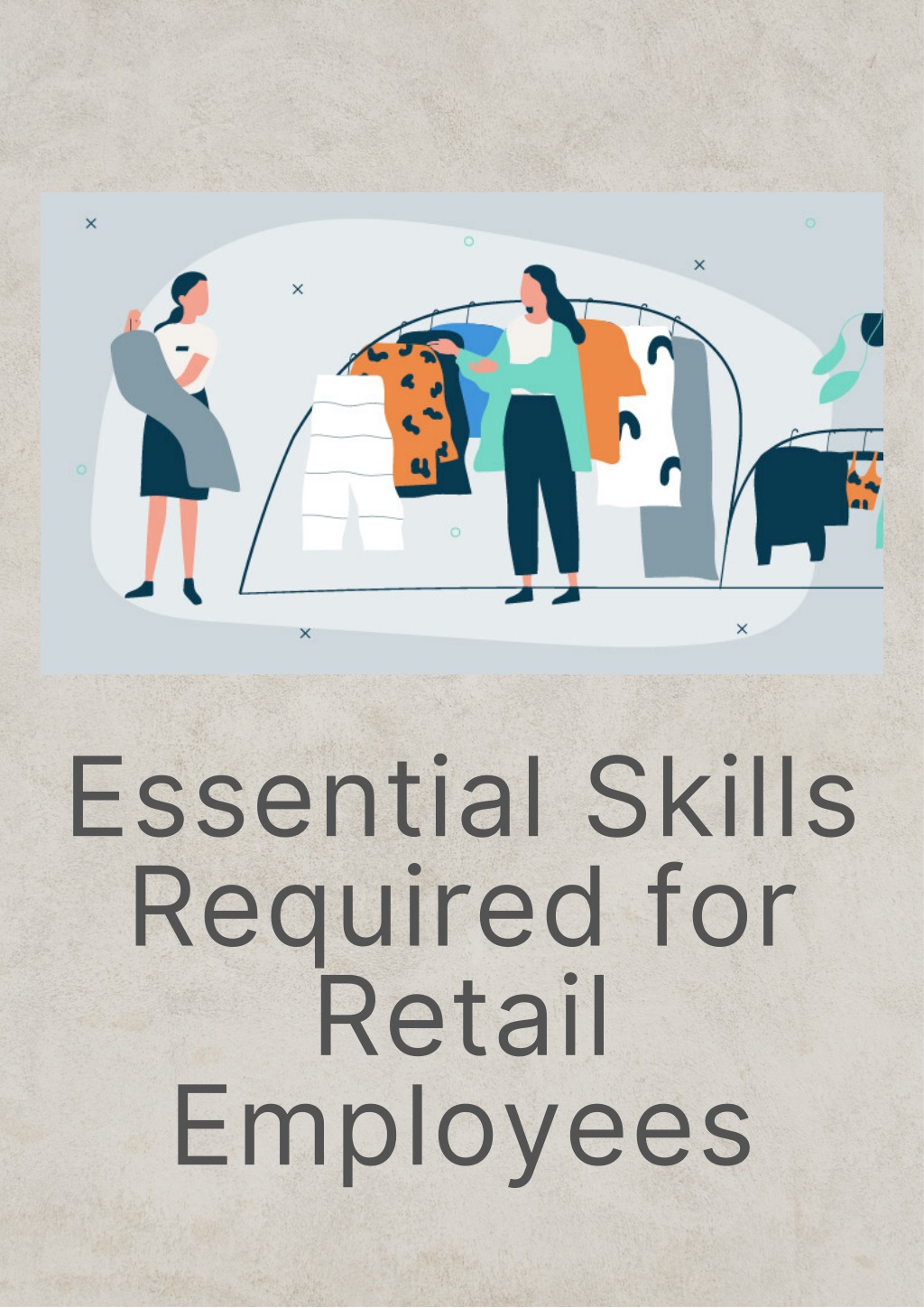
Why Does Product Knowledge Remain the Foundation of Sales?
Despite the rise of automated kiosks, human expertise in product properties remains the primary driver of high-value sales. According to the Harvard Business Review, customers are more likely to complete a purchase when an associate offers relevant, “substitute or related products” that align with the shopper’s original intent. This practice, known as cross-selling, requires a deep understanding of quality standards and care rules. When an associate can explain the specific material benefits of a product, they move beyond being a clerk and become a trusted advisor, which directly impacts long-term customer loyalty metrics.

How Are Soft Skills Influencing Modern Retail Leadership?
The ability to manage emotions and resolve conflict is becoming a key performance indicator (KPI) for retail staff. Industry research from the Retail Management Institute highlights that “self-leadership”—the capacity to work independently while maintaining high service standards—is the top trait recruiters seek in 2024. As teams become more decentralized, effective communication with other departments, such as logistics and procurement, ensures that the sales floor remains stocked according to local demand. Analysts note that staff who can independently troubleshoot technical issues at the register reduce wait times, directly improving the store’s net promoter score.
Frequently Asked Questions
What is the most important skill for a retail associate today?
According to NRF workforce surveys, the ability to combine technical proficiency with high-level customer service is the most critical skill. Associates must be able to use POS systems while simultaneously building rapport with customers.

How does real-time stock management affect sales?
Real-time tracking prevents lost sales caused by “ghost inventory,” where the system shows an item is available but it cannot be located. Accurate floor management ensures that sizes and styles are always accessible, which reduces customer frustration.
Why is self-leadership important in a retail setting?
Retail environments are unpredictable. Employees who exercise self-leadership can manage their own tasks and resolve customer conflicts without constant supervision, leading to a more efficient and profitable store operation.
How are you adapting your sales strategy to meet these changing industry standards? Share your experiences in the comments below or subscribe to our retail insights newsletter for weekly updates on store management trends.