

Ethan Hawke Reflects on the Tragic Deaths of Philip Seymour Hoffman and Robin Williams
The entertainment industry lost two of its most prominent figures in 2014 when Academy Award winners Philip Seymour Hoffman and Robin Williams died. Both men struggled with long-term addiction and mental health challenges, leaving a profound impact on colleagues like actor Ethan Hawke, who worked with both performers during their careers.
Philip Seymour Hoffman, who won an Oscar for his lead role in the 2005 biopic Truman Capote, was found dead in his Manhattan apartment in February 2014. According to reports, the actor had maintained sobriety for over two decades before relapsing after a run in the Broadway play Death of a Salesman. Despite seeking voluntary treatment, he was unable to overcome the cycle of addiction and the resulting severe depression.
Robin Williams, an Oscar winner for his supporting role in 1997’s Good Will Hunting, died by suicide in August 2014. Williams had previously overcome substance abuse issues in the early 1980s following the death of John Belushi. However, he struggled with alcohol relapse in the early 21st century, which, compounded by diagnoses of Parkinson’s disease and Lewy body dementia, led to significant health and mental struggles.
Both Philip Seymour Hoffman and Robin Williams had achieved over 20 years of sobriety before facing relapses that preceded their deaths in 2014.
The Impact on the Creative Community
The loss of these actors deeply affected Ethan Hawke, who starred alongside Williams in Dead Poets Society and with Hoffman in Before the Devil Knows You’re Dead. In a February 2015 interview on the PBS program Charlie Rose, Hawke described both men as serious artists rather than mere celebrities. He noted that the intense emotional labor required for their performances was often invisible to the public.
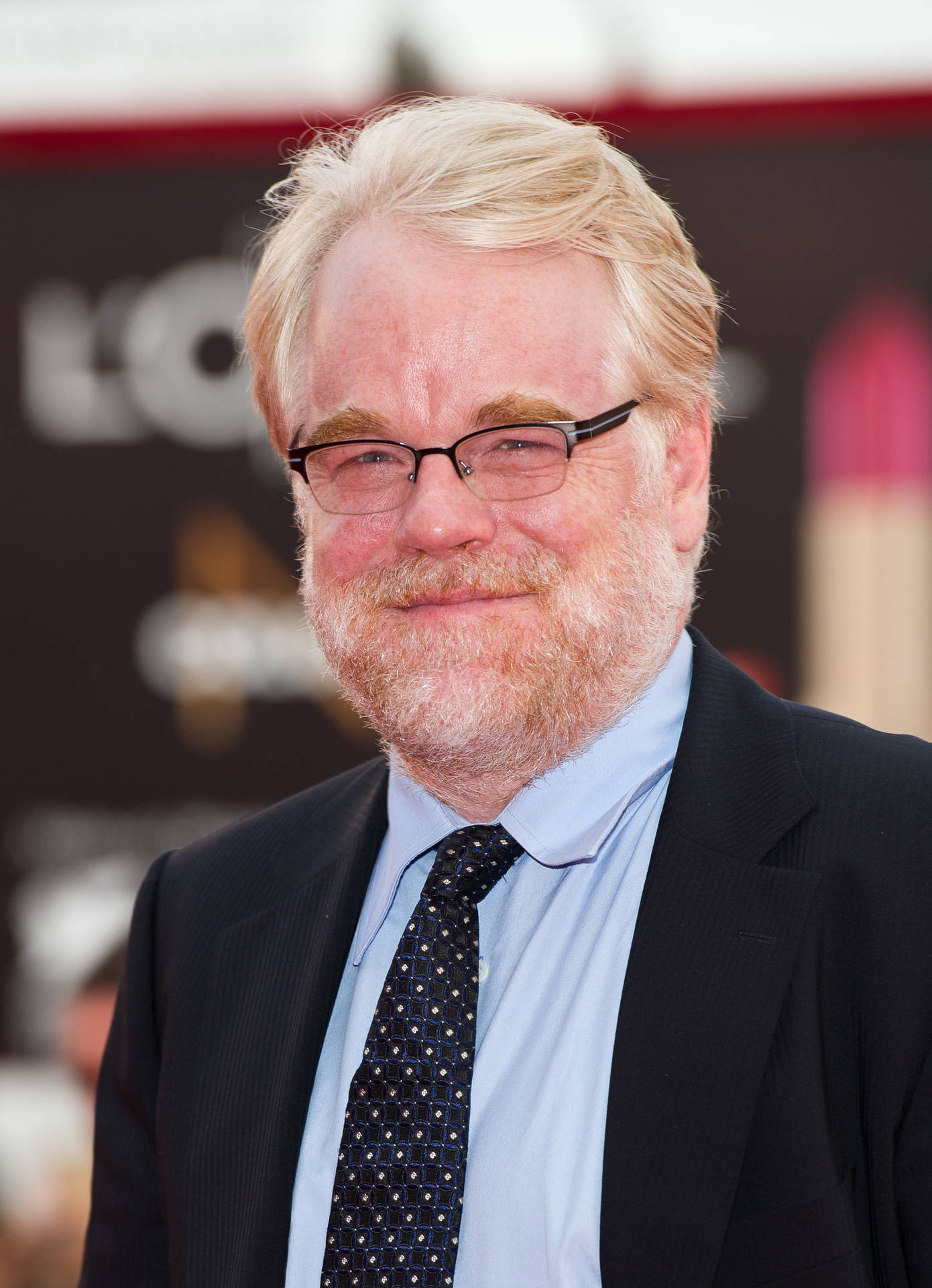
Hawke reflected on the inherent difficulty of balancing the beauty of creative work with the realities of everyday life. He observed that while Williams appeared effortless in his comedy, the actor was often left exhausted and alone after performances. Similarly, Hawke noted that Hoffman’s stage work in Death of a Salesman required a personal toll that was not “free” or easy to sustain.
The accounts provided by those close to Hoffman and Williams highlight the often-hidden emotional and physical costs of high-level artistic performance. The transition from the intensity of the stage or screen back to the “roughness of normal life” may create a significant psychological vacuum, suggesting that the creative process itself can be a rigorous, sometimes isolating, experience for those who commit to it fully.
Future Implications for Mental Health Awareness
The 2014 deaths of these performers may continue to influence how the entertainment industry approaches mental health support for creative professionals. Because Hawke identified depression as a “real demon” within the creative community, it is likely that discussions regarding the necessity of balance and support systems will remain relevant. Observers may expect that as more artists speak openly about these pressures, advocacy for mental health resources within the arts could become more institutionalized.
Frequently Asked Questions
What was the primary cause of Philip Seymour Hoffman’s death?
Hoffman was found dead in his Manhattan apartment in February 2014 after struggling with a relapse into substance abuse following a period of over two decades of sobriety.
What health factors contributed to Robin Williams’ passing?
According to reports, Williams faced alcohol relapse, severe depression, and diagnoses of Parkinson’s disease and Lewy body dementia, which caused significant paranoia before his death in August 2014.
How did Ethan Hawke characterize his experience working with these actors?
Hawke described both men as serious, dedicated artists who were among the greatest influences in his career, noting that the intensity of their work carried a heavy personal cost that was rarely visible to others.
What steps can the creative community take to better protect the well-being of its performers?