
EU Diplomacy and Russia-Ukraine War: Latest Updates on Membership and Conflict
The European Union is currently navigating a complex geopolitical landscape, balancing the urgent necessity of supporting Ukraine’s integration with the long-standing commitment to Western Balkan accession. As European foreign ministers convene in Limassol, the debate centres on finding a viable, efficient formula for expansion that satisfies both current security imperatives and future stability goals.
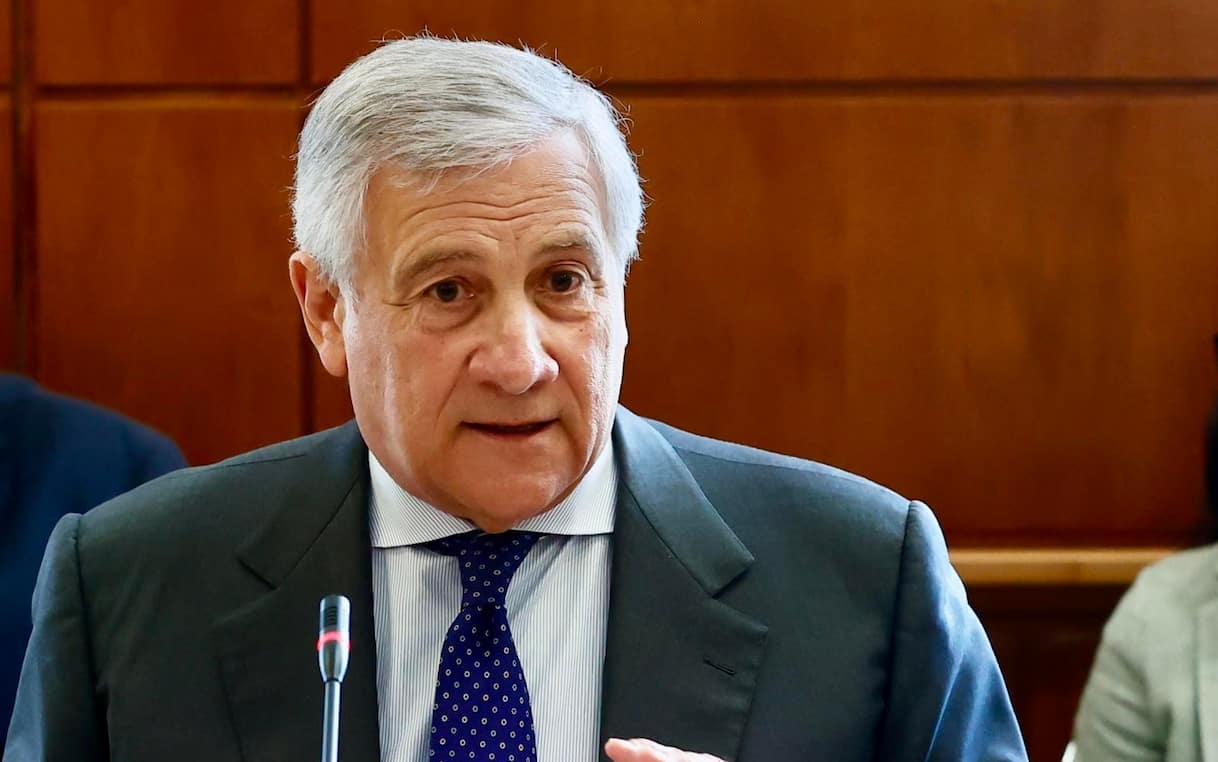
Italian Foreign Minister Antonio Tajani has reiterated the government’s support for Ukraine’s path toward European Union membership. However, he emphasized that the challenge lies in determining the appropriate timeline and methodology. Tajani stressed that while aid to Ukraine remains a priority, the European Union must be careful not to marginalize the accession process for the Balkan nations, which remain a key strategic focus for the bloc.
The conversation regarding potential peace negotiations with Moscow has also intensified, with EU High Representative for Foreign Affairs Kaja Kallas warning against falling into a “Russian trap.” Kallas argued that the focus should remain on the content of any potential agreement rather than becoming distracted by debates over which individuals or entities should represent Europe at the negotiating table. She maintains that negotiations must be viewed as a collective team effort rather than a competition over roles.
Operational Realities and Security Tensions
The diplomatic discussions occur against a backdrop of escalating military activity. Recent reports indicate that on the evening of May 27, a nationwide air raid alert was declared across Ukraine following the takeoff of a MiG-31K aircraft. This incident highlights the ongoing security volatility that continues to shape the political environment in which European leaders are attempting to draft future policy.
Looking ahead, the integration of Ukraine into the EU structure could follow various paths, with member states continuing to weigh the merits of different association models. Analysts suggest that the speed of this process will likely remain tied to the evolution of the security situation and the ability of the bloc to maintain internal unity regarding the prioritization of other candidate regions.
Frequently Asked Questions
What is the Italian government’s position on Ukraine’s EU membership?
The Italian government is in favor of Ukraine’s accession to the European Union, though it is currently studying the best possible formula and timeline for this process.
Why does Kaja Kallas warn against debating the EU’s potential representative?
Kallas considers the debate over who should represent the EU at a negotiating table with Moscow to be a “Russian trap” designed to distract from the actual substance of the negotiations.
What is the significance of the Balkan nations in the current EU debate?
Foreign Minister Antonio Tajani identified the accession of the Balkan nations as a priority, cautioning that these countries must not be sidelined by the focus on Ukraine’s integration.
How do you believe the European Union should balance its immediate support for Ukraine with the long-term integration of other candidate regions?