
EU EES Border Checks Spark Fears of Long Delays and Reduced Tourism
Why Are Travelers Wary of the EES?
The EU’s Entry/Exit System (EES) is causing concerns among global travelers, with a World Travel & Tourism Council (WTTC) survey revealing that 33% of visitors from the UK, US, Canada, and Australia could avoid the Schengen area if waits exceed three hours. The study, based on 2,500 respondents, highlights fears of prolonged border delays during the summer peak season.
Britons are most likely to skip trips under long-wait scenarios (39%), followed by US and Canadian citizens (33%) and Australians (27%). However, 87% of travelers said they would accept some disruption if future trips become smoother, while 65% support the EES after learning about it.
Despite concerns, 57% of respondents cited border security as a key benefit of the system, and 52% noted faster processing on future trips. WTTC President Gloria Guevara emphasized the need for collaboration between governments and the tourism sector to ensure a smooth rollout.
Did You Know?
The EES replaces manual passport stamping with digital biometric data, set to fully launch in April 2026. Yet, 55% of travelers have heard little about the system, and 49% don’t know entry requirements.
How Are Ferry Ports Preparing for the EES?
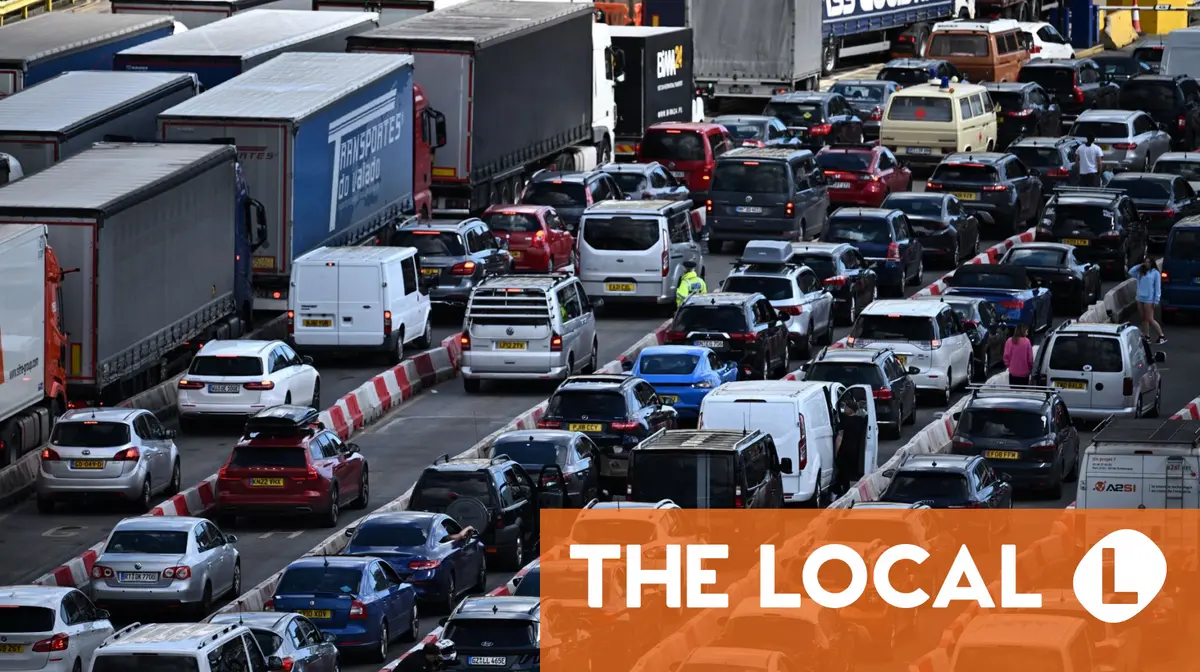
The European Sea Ports Organisation (ESPO) has called for flexibility at ferry ports after recent delays at the Port of Dover in May 2026. During the bank holiday weekend, long queues forced French authorities to temporarily suspend EES checks, easing congestion but highlighting vulnerabilities.

ESPO Secretary General Isabelle Ryckbost warned that the summer season will test the EES’s effectiveness at major maritime border crossings. “The first real stress test of the EES for some of Europe’s major maritime Schengen border-crossing points is coming,” she said.
The incident at Dover, which disrupted passengers and trade, underscores the need for pre-registration apps, adequate staffing, and clear communication. ESPO urged authorities to learn from the experience to avoid similar disruptions this summer.
Pro Tips
Travelers should check the EES requirements for their destination and consider using pre-registration tools. Ferry operators are advised to monitor updates from ESPO and local authorities.
What Are the Broader Implications?
The EES rollout has sparked a debate between border security and traveler convenience. While 6% of respondents expressed strong opposition to biometric controls, 43% cited increased confidence in border processes. The system’s success hinges on balancing these priorities.
Comparing the WTTC survey with ESPO’s concerns reveals a split: travelers prioritize smooth journeys, while ports focus on operational flexibility. The Dover incident serves as a cautionary tale, showing how delays can ripple through tourism and trade.
Read more about the Dover delays.
Frequently Asked Questions
What is the EES?
The Entry/Exit System (EES) is a digital border control mechanism replacing manual passport stamps with biometric data, set to launch fully in April 2026.
How will the EES affect travelers?
The system aims to enhance security and streamline processing but risks long queues, which could deter 41 million travelers from Europe’s key markets if not managed effectively.
What steps are being taken to address concerns?
The WTTC advocates for pre-registration apps and staff training, while ESPO calls for flexibility at ports. Both emphasize collaboration between governments and the tourism sector.
Next Steps for Travelers and Ports
As the EES moves toward full implementation, travelers are advised to stay informed about border protocols. Ports like Dover are working with authorities to prevent bottlenecks, but challenges remain.
For updates, follow the World Travel & Tourism Council and European Sea Ports Organisation. Share your experiences in the comments below—how do you think the EES will impact your next trip?