
EU Prepares 21st Sanctions Package Against Russia: Entry Bans and Oil Price Cap Freeze
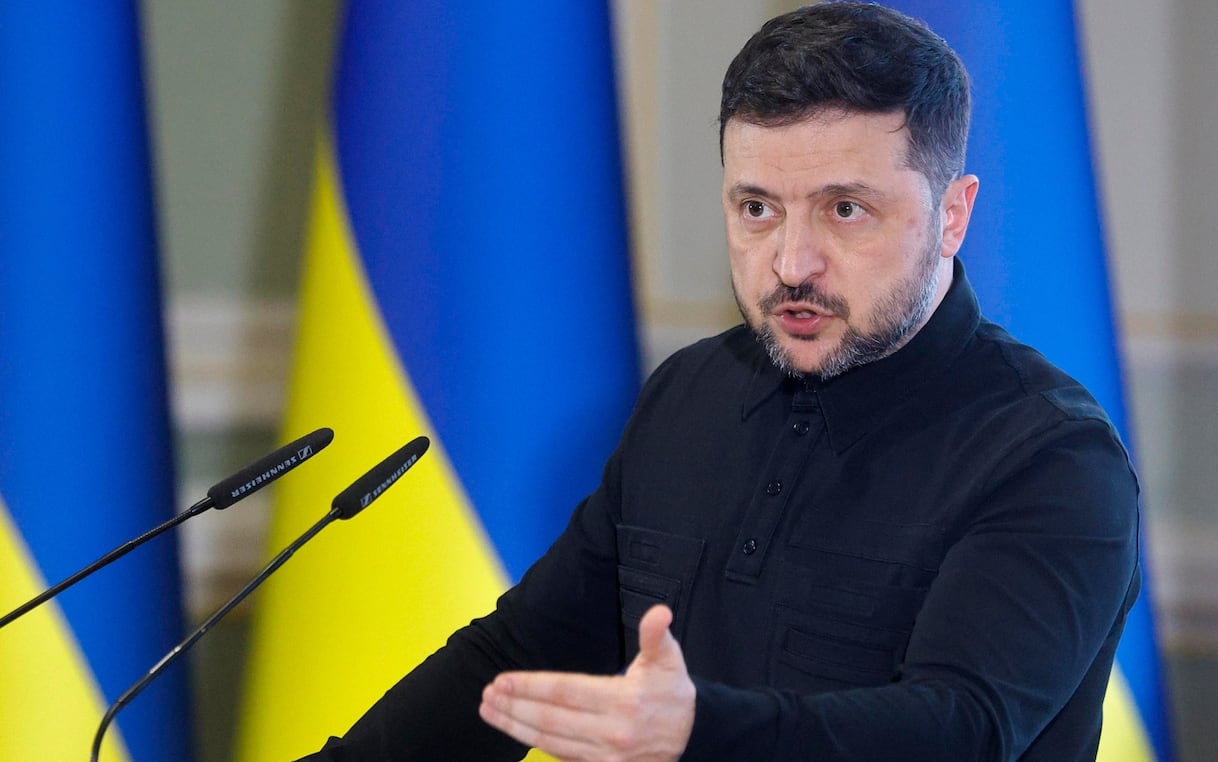
European Commission President Ursula von der Leyen has proposed a 21st sanctions package against Russia that freezes the crude oil price cap at $44 and bans entry to Russian combatants who fought in Ukraine. According to von der Leyen, these measures aim to isolate Russia from global capital markets, stagnate its growth, and weaken its ability to finance the war effort.
The proposal targets four primary sectors: energy, financial services, cryptocurrencies, and trade. A key component is the suspension of the price cap adjustment mechanism until January, preventing the cap from rising to $70 despite price increases caused by the Hormuz crisis. This move is intended to maintain pressure on Russian revenues while allowing oil markets to stabilize.
What are the specific trade and financial restrictions in the 21st package?
The Commission is proposing new import bans on metals, metallic minerals, and auto components valued at approximately €60 million to reduce European dependence on Russian goods. Von der Leyen also announced restrictions on the export of technologies used by the Russian military, specifically targeting metals and alloys for the aerospace and defense sectors.
For the first time, the EU may introduce a total ban on cryptocurrency transactions with third countries to stop Russia from evading sanctions via foreign hosting platforms. The package extends transaction bans to 31 additional Russian banks and 20 third-country entities, including cryptocurrency platforms and oil operators.
Trade restrictions will also hit the fishing industry. The proposal includes substantial import restrictions on various fish products and a total ban on others, including cod. The EU is also aligning these trade restrictions with those applied to Belarus.
How is the EU funding Ukraine’s defense and accession?
The EU will deliver the first tranche of a €90 billion loan to Ukraine by the end of June. According to von der Leyen, this initial disbursement includes €6 billion specifically for drones and over €3 billion in macro-financial assistance.
Simultaneously, the Commission is ready to open the first negotiation cluster for the EU accession of Ukraine and Moldova. Reports suggest the process could accelerate following the political transition in Hungary, where Peter Magyar has risen to government after the exit of Viktor Orbán.
Ukrainian Foreign Minister Andrii Sybiha welcomed the proposal to ban former Russian combatants from entering the EU. Sybiha stated that those who signed contracts to participate in the aggression should have no right to enter Europe.
What is the current state of diplomacy and military operations?
President Volodymyr Zelensky has called for a total and unconditional ceasefire as the first step toward peace. Zelensky suggested a summit between the leaders of Ukraine, Russia, the EU, and the United States to reach a resolution, though he noted that Russia has not yet shown the will to negotiate.
Zelensky told the Guardian that the Russian economy is “very close to collapse” and that the Kremlin is losing over 30,000 soldiers per month. He claims Russia is losing the initiative on the ground and that there is a divide within Putin’s entourage between those who want to continue the war and those who want it to end.
Military reports indicate continued volatility. Official sources report at least eight people killed and 40 wounded in Russian attacks on Ukraine over a 24-hour period. The Ukrainian Air Force stated Russia launched 166 long-range drones, of which 146 were intercepted. Meanwhile, local media report four deaths following an explosion at the Roscosmos Arsenal plant in St. Petersburg.
What may happen next in the conflict?
The 21st sanctions package now requires unanimous approval from all 27 EU member states. While the removal of Viktor Orbán may reduce obstruction from Budapest, sources close to the dossier suggest the final approval will still take some time due to national interests regarding specific materials, such as alumina.

Diplomatically, the US House has approved $8 billion in aid to Ukraine, which now moves to the Senate. In Europe, Bulgaria’s Defense Minister Dimitar Stoyanov has announced a stop to arms shipments, arguing the war has become a “war of attrition” that cannot be solved on the battlefield.
Ukraine may further integrate its defense industry with European partners. Zelensky recently announced a drone production agreement with Latvia as part of a broader effort to build systematic cooperation with Nordic and Baltic allies.
Frequently Asked Questions
What is the purpose of the oil price cap freeze?
The freeze at $44 prevents the cap from rising to $70, ensuring Russian oil profits remain contained despite price spikes caused by the Hormuz crisis.
Who is banned from entering the EU under the new proposal?
The proposal bans entry to any Russian citizen who has served in the Russian armed forces since the start of the invasion of Ukraine.
How much financial aid is the EU providing in June?
The EU will provide €9 billion as the first tranche of a larger loan, with €6 billion allocated for drones and €3 billion for macro-financial aid.
How should the EU balance economic sanctions with the need for a diplomatic exit strategy?