

Europa Needs a Paradigm Shift: How to End Chronic Liver Disease as a Public Health Threat
A landmark study led by the Barcelona Institute for Global Health (ISGlobal) and published in The Lancet has sounded an urgent alarm: Europe’s silent but devastating epidemic of chronic liver disease demands a radical shift in how the continent addresses public health. Titled “Ending the Public Health Threat of Chronic Liver Disease in Europe,” the research—authored by over 75 experts from 30 countries—warns that chronic liver disease now ranks as the second leading cause of lost productive years in Europe, trailing only ischemic heart disease. Yet unlike heart disease, it disproportionately strikes men and marginalized communities, often slipping under the radar until irreversible damage occurs.
Why Europe’s Liver Crisis Demands a New Approach
The study highlights a paradox: while Europe leads the world in per-capita alcohol consumption and binge drinking, it also has the lowest rates of abstinence. Alcohol alone accounts for 40% of the 287,000 premature liver-related deaths annually—a figure that underscores how deeply rooted the problem is in lifestyle and policy failures. Yet the crisis extends far beyond alcohol. Diabetes, obesity, poor diet, and physical inactivity all contribute to liver disease, creating a web of interconnected risks that current healthcare systems fail to address holistically.

Jeffrey Lazarus, director of ISGlobal’s Liver Health Public Health Group and president of The Lancet Europe, frames the issue bluntly: “Europe doesn’t need another warning about the dangers of liver disease—it needs a different way of responding.” He argues that primary care remains woefully outdated, routinely measuring blood pressure, cholesterol, and weight but ignoring liver fibrosis, the silent marker of advancing liver damage. The study calls for integrating liver health into broader frameworks for preventing non-communicable diseases, aligning policies on alcohol, obesity, and diabetes, and strengthening surveillance to catch cases before they spiral into cirrhosis or cancer.
A Four-Pillar Strategy for Change
The research outlines four critical areas where Europe must act: refining early detection models, preparing policies for metabolic-associated steatotic liver disease (MASLD), tackling alcohol-related liver disease, and accelerating progress toward eliminating viral hepatitis. Elisa Pose, co-lead of the study, emphasizes that success hinges on coordinated prevention, early screening, and equitable access to care—linking liver health to diabetes, cardiovascular disease, cancer prevention, and social determinants of health.
A recurring theme is the societal tendency to blame individuals while ignoring systemic failures. The study argues that governments and institutions bear collective responsibility for enabling risks—through lax alcohol policies, food industry influence, and healthcare gaps—that disproportionately harm vulnerable populations. “We can end chronic liver disease as a public health threat,” Lazarus concludes, “but only if Europe acts before advanced disease becomes the default diagnosis.”
What Could Come Next?
Analysts expect the study to accelerate debates on integrating liver health into national prevention strategies, particularly in countries with high alcohol-related mortality. Possible next steps include piloting fibrosis screening in primary care, revisiting alcohol marketing regulations, and expanding access to antiviral treatments for hepatitis. However, progress may stall without cross-ministerial collaboration—bridging health, social welfare, and commercial policy domains remains the biggest hurdle.
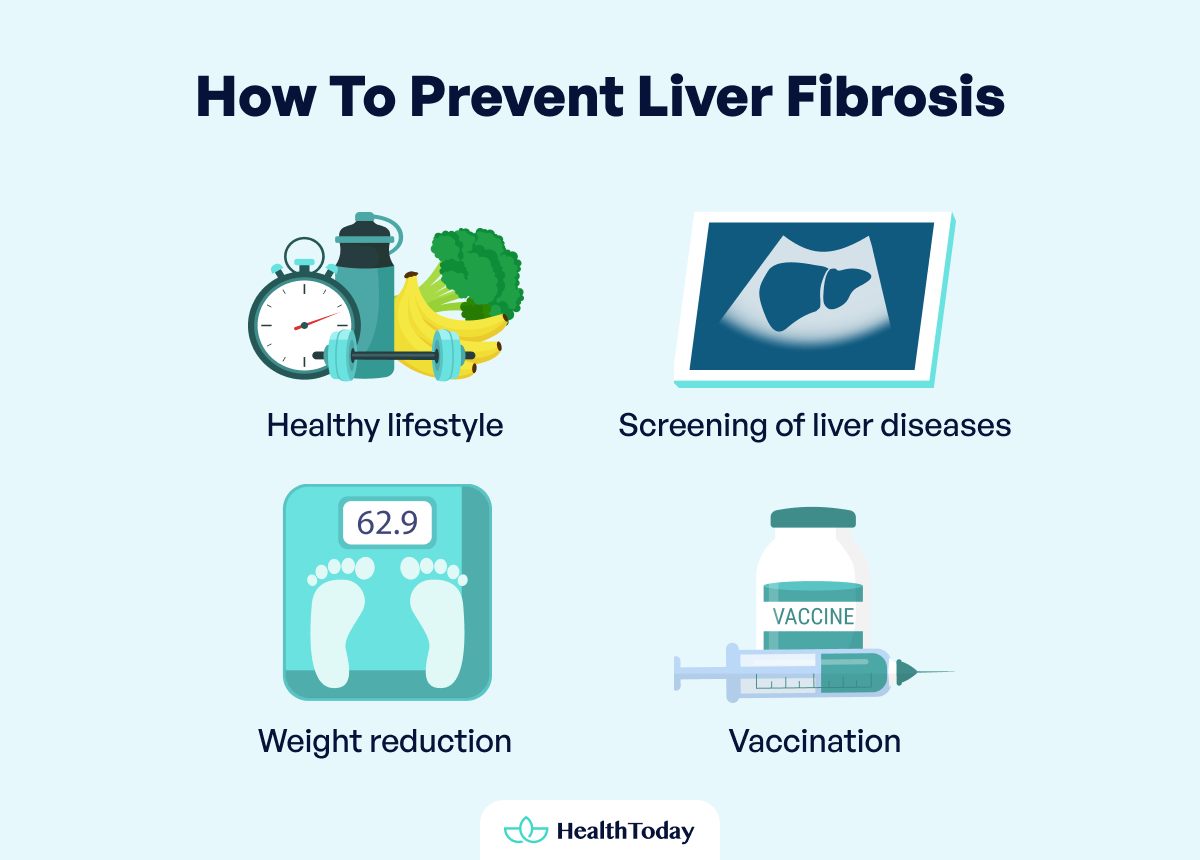
Critically, the study warns that inaction could entrench liver disease as a permanent feature of Europe’s health landscape, with irreversible consequences for productivity, equity, and quality of life. The window to act is narrow: millions of undiagnosed cases mean the damage is already underway.
Frequently Asked Questions
How widespread is undiagnosed liver disease in Europe? The study highlights that millions of Europeans with chronic liver disease remain undiagnosed, often until advanced stages like cirrhosis or cancer develop. Early detection in primary care is identified as a critical gap.
Why does alcohol play such a dominant role in liver disease here? Europe has the world’s highest per-capita alcohol consumption and the lowest rates of abstinence. Alcohol is directly linked to 40% of the 287,000 annual premature liver-related deaths, making it a primary driver of the crisis.
Can Europe really eliminate chronic liver disease as a public health threat? The study asserts This represents possible—but only if Europe adopts coordinated prevention, early screening, and policies that address root causes like alcohol, obesity, and diabetes before advanced disease becomes the norm.
With liver disease often progressing silently, what signs should individuals watch for—and when should they seek screening?