

Europe Heatwave and Australia’s Mild Winter Forecast
Europe is currently experiencing a heatwave with temperatures hitting the mid-30s Celsius in Germany, Italy, and Czechia, driven by a Saharan air mass. Simultaneously, the Australian Bureau of Meteorology reports mild winter temperatures in Melbourne, attributing the warmth to developing El Niño conditions in the Pacific Ocean.
Why is Europe seeing temperatures 13C above average?
A mass of hot air from the Sahara settled over the Iberian peninsula before spreading into southern and western France, according to reports from The Guardian. This system pushed temperatures into the low- and mid-30s Celsius across those regions.
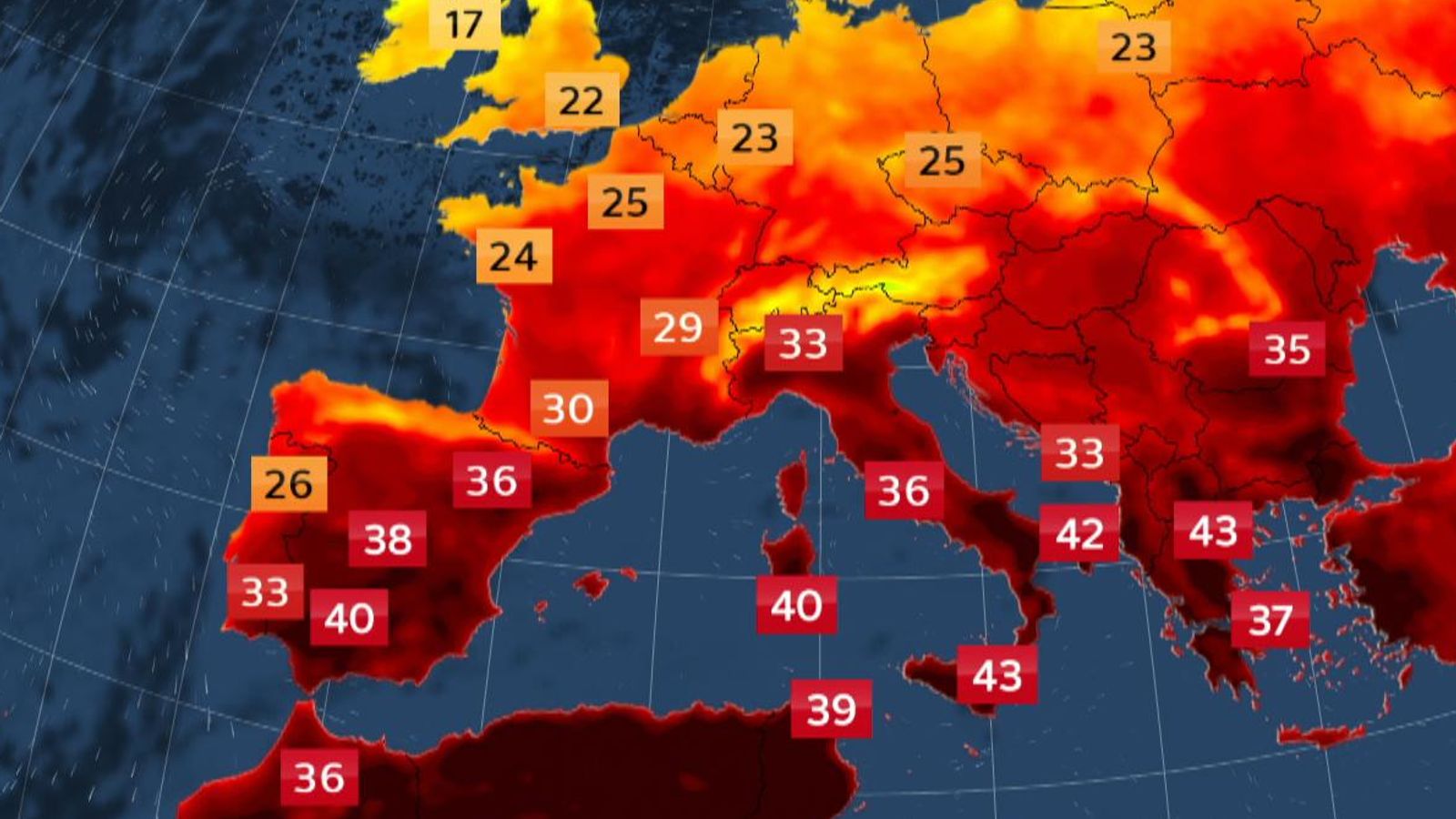
By Friday, these conditions are forecast to reach Germany, Italy, and Czechia. In some locations, these readings are 9-13C above the 1991-2020 climate average. The UK is also affected; forecast models show plumes of warm air moving north, which could push temperatures into the mid-to-high 20s Celsius across southern and eastern England.
How does El Niño affect Australian winter weather?
The Australian Bureau of Meteorology has linked current mild winter temperatures to developing El Niño conditions in the Pacific Ocean. This climate pattern typically brings warmer-than-average daytime temperatures to much of the country.
In Melbourne, Tuesday and Wednesday temperatures are forecast to reach the high-teens Celsius, roughly 3-4C above the norm. Overnight lows are expected to hit the mid-teens, which is 5-6C above average. A slow-moving low-pressure system south of South Australia is drawing warm northerly air across the eastern half of the country.
Comparing Temperature Anomalies: Europe vs. Australia
While both regions are seeing above-average warmth, the scale of the departure from the norm differs significantly. Based on the data provided by The Guardian and the Bureau of Meteorology, the European heatwave represents a more acute spike compared to the steady mildness in Australia.
| Region | Temp Deviation | Primary Driver |
|---|---|---|
| Europe | 9-13C above average | Saharan Air Mass |
| Australia | 3-6C above average | El Niño Conditions |
What happens next with these weather patterns?
The intense heat in Europe is expected to ease for most regions by early next week. However, the situation in Australia is different. The Bureau of Meteorology indicates that mild winter conditions are expected to remain a recurring feature throughout the season.
This suggests a shift toward more persistent temperature anomalies. While the European event is a transient “plume” of air, the Australian trend is tied to a larger oceanic cycle that governs long-term seasonal weather.
Frequently Asked Questions
What is causing the heat in Europe?
A mass of hot air originating from the Sahara has moved across the Iberian peninsula and into France, Germany, Italy, and Czechia.
Why is Melbourne warmer than usual in winter?
According to the Bureau of Meteorology, developing El Niño conditions in the Pacific Ocean are driving warmer daytime temperatures.
Will the UK experience a heatwave?
While not as extreme as mainland Europe, plumes of warm air are expected to push temperatures into the mid-to-high 20s Celsius in southern and eastern England.
Do you think these recurring mild winters are becoming the new normal? Share your observations in the comments below or subscribe to our newsletter for more climate data updates.