
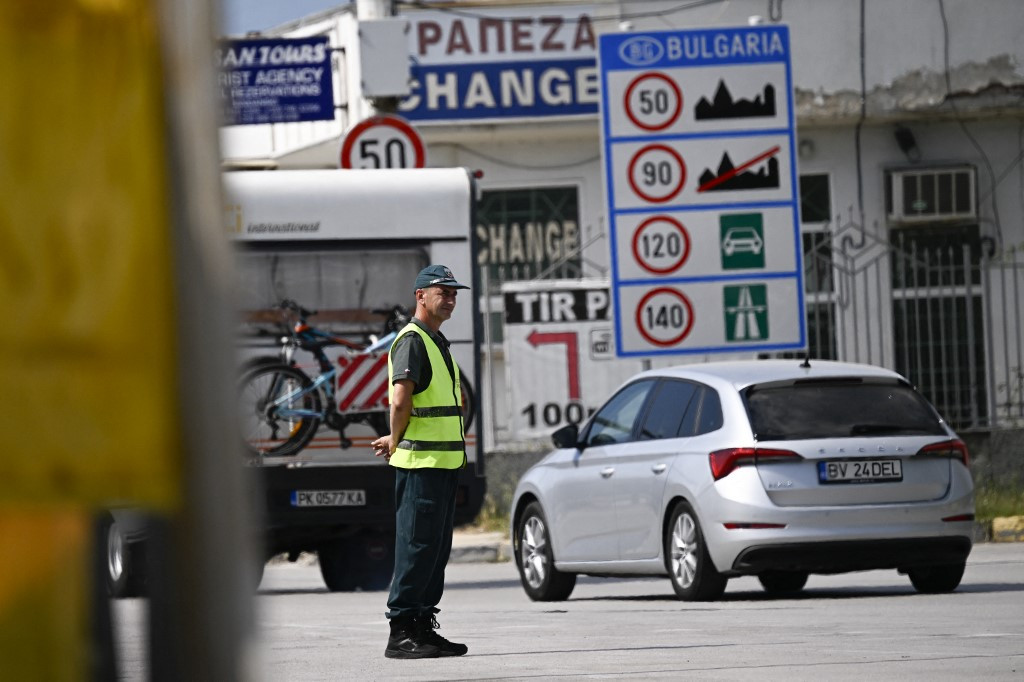
European Commission Pledges Stricter Schengen Visa Rules for Russian Citizens
The End of “Visa Shopping” in Europe? The Future of Schengen Access
For years, the Schengen Area has been the gold standard of seamless travel. But behind the scenes, a quiet war of policy has been raging. While some EU nations slammed their doors shut to Russian citizens following the invasion of Ukraine, others left the window cracked open. This “fragmentation”—where a traveller could be rejected by Poland but welcomed by France—is finally facing a reckoning.
The European Commission’s commitment to revising the Schengen Visa Code isn’t just a bureaucratic update; it’s a geopolitical statement. We are moving toward a future where “visa shopping”—the practise of applying through the most lenient embassy—becomes nearly impossible.
The North-South Divide: A Clash of Geopolitical Priorities
The tension isn’t just about visas; it’s about how different parts of Europe perceive threat. For the Baltic states, Poland, and the Nordics, a Russian tourist isn’t just a visitor—they are a potential security risk. Estonian Interior Minister Igor Taro has already highlighted the danger of hostile actors infiltrating the zone, leading Estonia to blacklist over 2,000 individuals.
Contrast this with the approach in France, Italy, and Spain. These nations have historically viewed tourism as a diplomatic bridge and a significant economic driver. In 2025, France led the charge by issuing nearly 180,000 visas. To the North, this looks like a betrayal of European solidarity; to the South, it was seen as maintaining a necessary channel of communication.
The trend moving forward is clear: Security is overriding tourism. The upcoming “targeted restrictive measures” suggest that the EU is finally prioritizing a unified security perimeter over individual national economic gains.
Beyond the Tourist Visa: The Rise of “Security-First” Mobility
As the Schengen Visa Code is rewritten, we can expect a shift toward more rigorous, digitized vetting processes. The era of the simple tourist application is evolving into something more akin to a security screening.
- Centralized Blacklisting: Expect a more robust, shared database that prevents individuals banned in one member state from gaining entry through another.
- Stricter “Necessity” Proof: The distinction between “essential travel” (family, medical, diplomatic) and “non-essential travel” (luxury shopping, leisure) will become legally binding.
- Increased Scrutiny on High-Net-Worth Travelers: The “luxury resort” loophole, which allowed wealthy Russian citizens to maintain a lavish lifestyle in Europe while their government targeted civilians, is being systematically closed.
The Ripple Effect: Will Other Nations Follow Suit?
The EU’s move toward “targeted restrictions” sets a precedent that could extend beyond Russia. We are seeing a broader global trend where travel privileges are directly tied to geopolitical alignment.

Consider the shift in Ireland’s strategic posture regarding its neutrality and maritime security. As European nations realize that “open borders” can be exploited for hybrid warfare—such as threats to undersea cables or strategic infrastructure—the concept of the “borderless” Schengen zone may be subtly redefined.
In the future, we may see the introduction of “tiered access” based on a country’s security rating, effectively creating a fast track for allies and a rigorous, slow track for nations deemed “high-risk.”
Frequently Asked Questions
When will the new Schengen visa restrictions take effect?
The European Commission is planning the revision of the Visa Code for next year. Because it requires formal drafting and legislative review, current summer travel regulations remain unchanged.
Which countries are pushing for tighter Russian visa rules?
A coalition of 11 nations, including Sweden, Poland, Finland, Estonia, Latvia, Lithuania, Czechia, Denmark, Norway, Iceland, and the Netherlands.
Why are France, Italy, and Spain being criticized?
These nations issued the vast majority of Russian visas in 2025, with France issuing nearly 180,000, which other EU members argue undermines regional security and solidarity.
Will this affect all Russian citizens?
The Commission has mentioned “targeted restrictive measures,” suggesting that while tourist visas will be heavily curtailed, essential travel may still be permitted under stricter scrutiny.
What do you think? Should the EU have a completely unified visa policy, or should individual nations maintain the right to decide who enters their borders? Share your thoughts in the comments below or subscribe to our newsletter for more deep dives into European security and diplomacy.