
Eurovision 2027: Sofia Accommodation Prices Skyrocket After Bulgaria Win
Bulgaria is set to host the Eurovision Song Contest in 2027 following Dara’s victory at Eurovision 2026. While official dates and the specific host city have not yet been categorically decided, the announcement has already triggered a massive surge in accommodation prices in Sofia for May 2027.
Extreme Pricing in the Capital
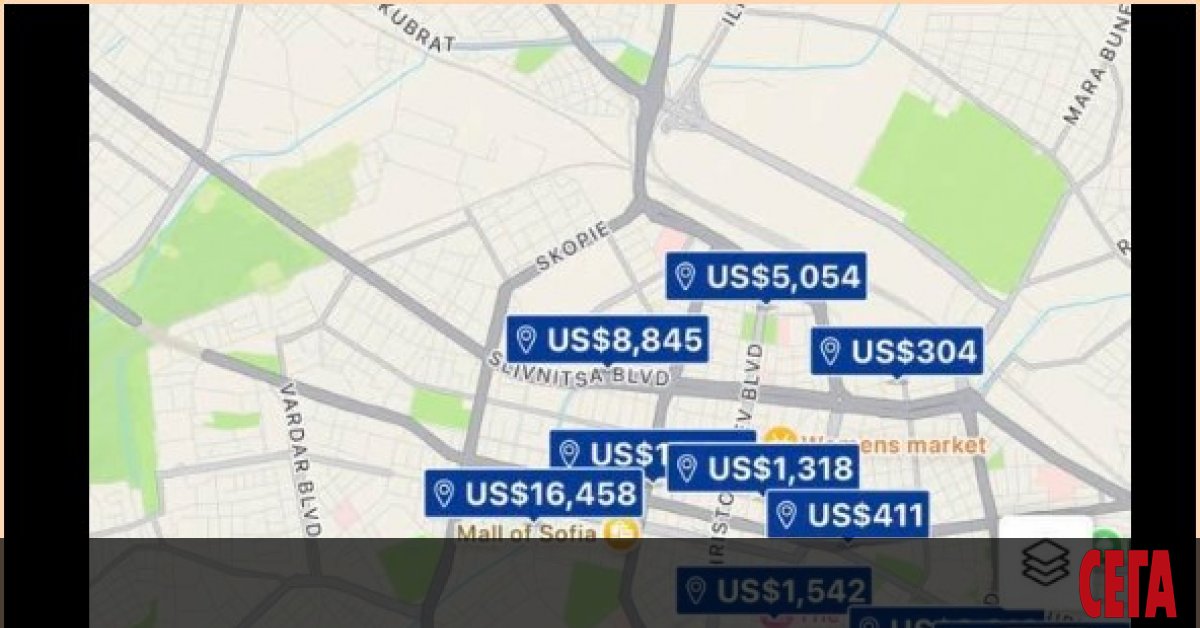
Real estate listings for May 2027 have seen an immediate and dramatic increase. Some offers for six nights between May 10 and 16 range from 7,000 to 12,000 euros.

More extreme examples have appeared on social media, including an 80-square-meter apartment at Slaveykov Square listed for 22,920 euros for six nights. Another 45-square-meter central property is being offered for 9,639 euros for the same duration.
On platforms like Airbnb and Booking.com, some users have encountered prices between 15,000 and 18,000 euros for just four nights. This stands in stark contrast to the standard monthly rent for similar properties, which typically ranges from 2,000 to 2,200 euros, or a usual nightly rate of around 300 euros outside of May.
Industry Perspectives and Market Strategy
Todor Kolev, a manager of dozens of properties in the capital, told BNT that reservations for May 2027 are already 60-70% above standard levels. He described the extreme pricing as a “strategy,” where owners keep calendars open only for exceptionally lucrative offers.

However, other experts suggest the trend is not universal. Stoyan Nikolov, a property management software owner, claims the price jump affects only a small percentage of short-term rentals.
Georgi Duchev, head of the Bulgarian Association of Professionals in Hotel Management (BAHE), characterized prices of 2,000-2,500 euros per night as “extreme” exceptions. He noted that hoteliers are remaining cautious about changing tariffs until the host city and dates are officially confirmed, though prices may rise due to increased demand and sector wage increases.
Potential Risks and Market Anomalies
The rush to capitalize on the event has led to reports of “fake” filled calendars, with some owners allegedly waiting to see market trends before opening their dates for reservation.
Some property owners are also facing complications. One owner reported on Facebook that they intended to use their own apartment during the 2027 contest, only to find that a hosting company had already booked all suspected dates on Booking.com at outdated prices.
Lessons from Other Host Cities
Similar patterns were observed in Vienna in May 2026. A hotel near the Konzerthaus raised rates to 2,300 euros for a room during the final weekend of May, compared to 700 euros just a week prior. Prices near the Wiener Stadthalle also doubled during the contest.
Rumen Draganov, Director of the Institute for Tourism Analysis and Evaluation, has warned the business sector against greed. Speaking to “Bulgaria On Air,” he advised that hoteliers and restaurateurs should be very careful not to assume success is guaranteed.
Future Outlook
If pricing remains at these extreme levels, analysts suggest it could lead to a reverse effect where fans are deterred from travelling. This may result in lower-than-expected profits from the tourism boom if visitors choose to avoid the host city.

The market is likely to remain volatile until official dates are released, at which point property owners may further adjust their pricing strategies based on actual demand.
Frequently Asked Questions
What are the official dates for Eurovision 2027 in Bulgaria? Official dates for the event have not yet been announced. How much are some of the most expensive apartments listed for May 2027? Some listings include an 80-square-meter apartment for 22,920 euros for six nights and others ranging between 7,000 and 18,000 euros for short stays. What happened in Tel Aviv during Eurovision 2015? Prices increased 4 to 6 times the normal rate, leading many fans to stay home and watch the contest on TV instead of visiting. Do you think extreme price hikes during major international events help or hurt a city’s long-term reputation?