
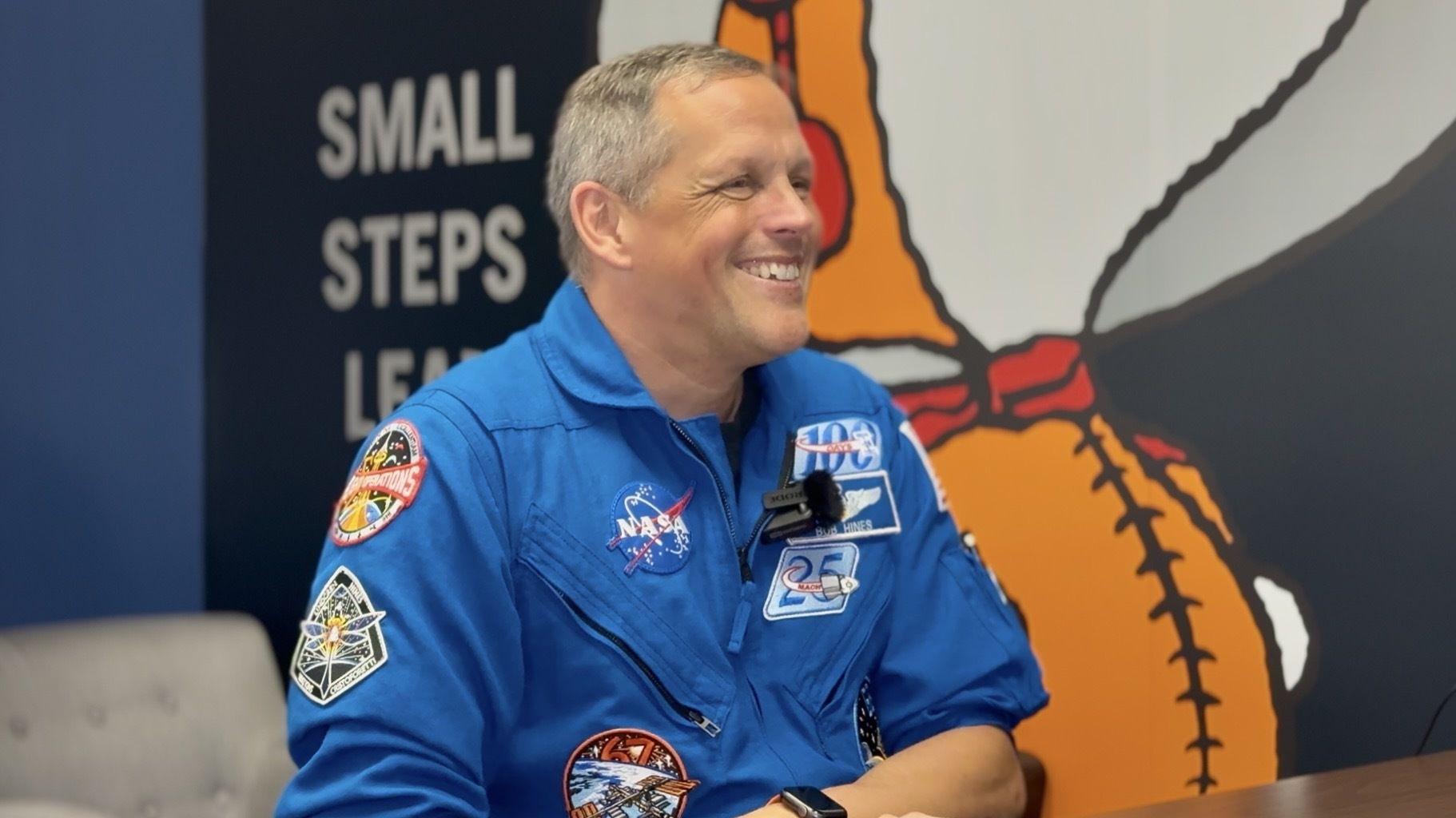
Ever have a scary HR meeting on your calendar? That’s how the Artemis 3 crew found out their assignments
NASA has named Randy Bresnik, Luca Parmitano, Frank Rubio, and Andre Douglas as the primary crew for the Artemis 3 mission, with Bob Hines serving as the backup. According to NASA, the crew is scheduled to launch in the latter half of 2027 to rendezvous and dock with two different lunar lander designs in low Earth orbit.
Who is the Artemis 3 crew?
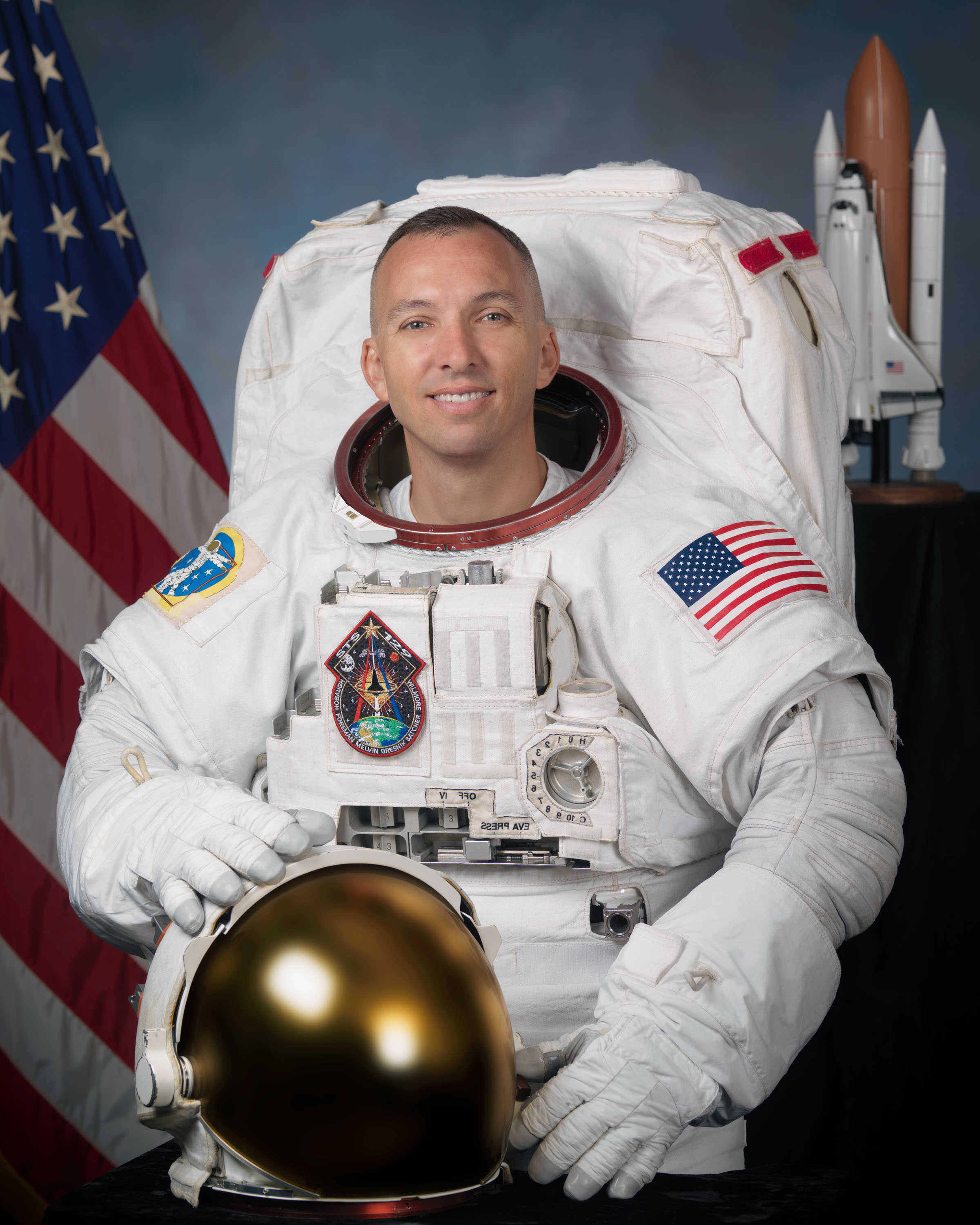
NASA announced the crew assignments during a June 9 reveal ceremony at the Johnson Space Center (JSC). The team consists of mission commander Randy Bresnik, pilot Luca Parmitano of the European Space Agency, and mission specialists Frank Rubio and Andre Douglas. Bob Hines is designated as the sole backup for the mission.
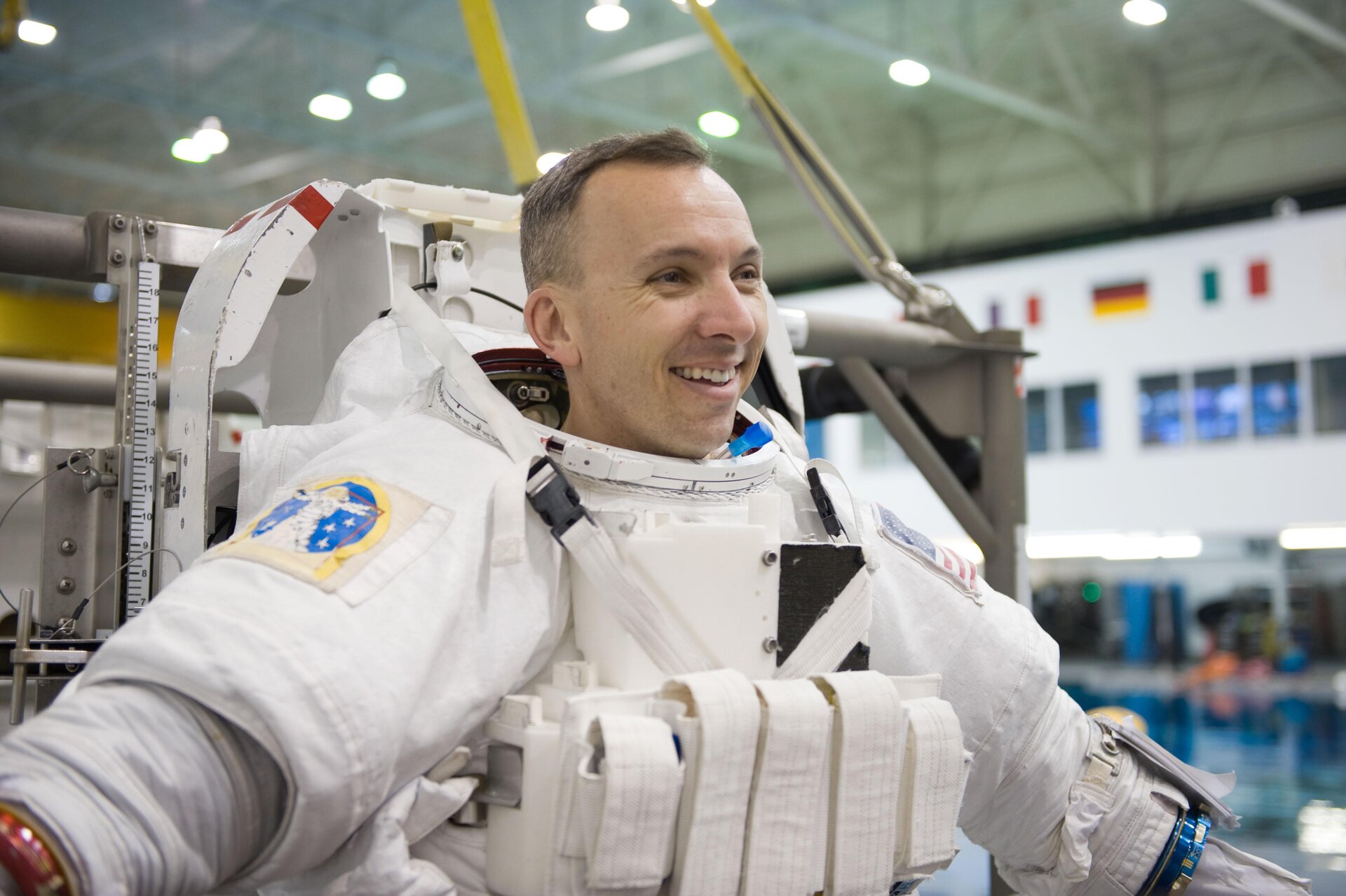
The selection process has evolved since 2020, when NASA initially listed 18 astronauts for consideration. According to mission data, only Frank Rubio remains from that original list of 18. NASA has since expanded the eligibility pool as more astronauts gained the necessary experience.
How does Artemis 3 differ from Artemis 2?
Artemis 3 is significantly more complex than its predecessor. While Artemis 2 involved a 10-day mission around the moon, Artemis 3 will see the crew spend two weeks in low Earth orbit to test compatibility with two lunar landers: SpaceX’s Starship and Blue Origin’s Blue Moon lander.

The training window has also shrunk. NASA announced the Artemis 2 crew in 2023, allowing for three years of preparation. Because Artemis 3 is targeted for a late 2027 launch, the current crew has roughly half that time to prepare for a mission involving unproven spacecraft.
| Feature | Artemis 2 | Artemis 3 |
|---|---|---|
| Mission Goal | Lunar flyby (10 days) | Lander rendezvous (2 weeks) |
| Training Time | ~3 Years | ~1.5 Years |
| Complexity | Standard Orion flight | Docking with unproven landers |
What are the risks of the 2027 launch date?
The primary risk involves hardware delays. Both SpaceX’s Starship and Blue Origin’s Blue Moon lander have faced development setbacks and haven’t reached orbit yet. NASA’s plan requires the Orion spacecraft to perform maneuvers with these vehicles, making this one of the agency’s most complicated operations.
This technical uncertainty, paired with a compressed training schedule, puts the crew under a strict time crunch. The mission serves as the precursor to Artemis 4, which will be the program’s first planned lunar landing.
Why is the backup astronaut’s role unique?
Unlike primary crew members who specialize in specific roles, backup astronaut Bob Hines must train for every position on the ship. Hines told Space.com that his intent is to be able to substitute for any crew member if they drop out at any time.
This broad training provides a strategic advantage for future assignments. For example, Andre Douglas served as a backup for Artemis 2 before being named a mission specialist for Artemis 3. Hines suggests that this positioning may make him a strong candidate for the Artemis 4 lunar landing.
Frequently Asked Questions
When will Artemis 3 launch?
NASA is targeting the latter half of 2027 for the launch.
Who is the commander of Artemis 3?
NASA astronaut Randy Bresnik is the mission commander.
Will Artemis 3 land on the moon?
Artemis 3 will test compatibility with lunar landers in low Earth orbit. The first planned lunar landing mission is Artemis 4.
Which companies are providing the landers?
SpaceX (Starship) and Blue Origin (Blue Moon) are the two providers.
What do you think about the compressed training timeline for the Artemis 3 crew? Let us know in the comments or subscribe to our newsletter for more deep dives into the new space race.