

Evercore ISI reiterates Apple stock rating on AI features
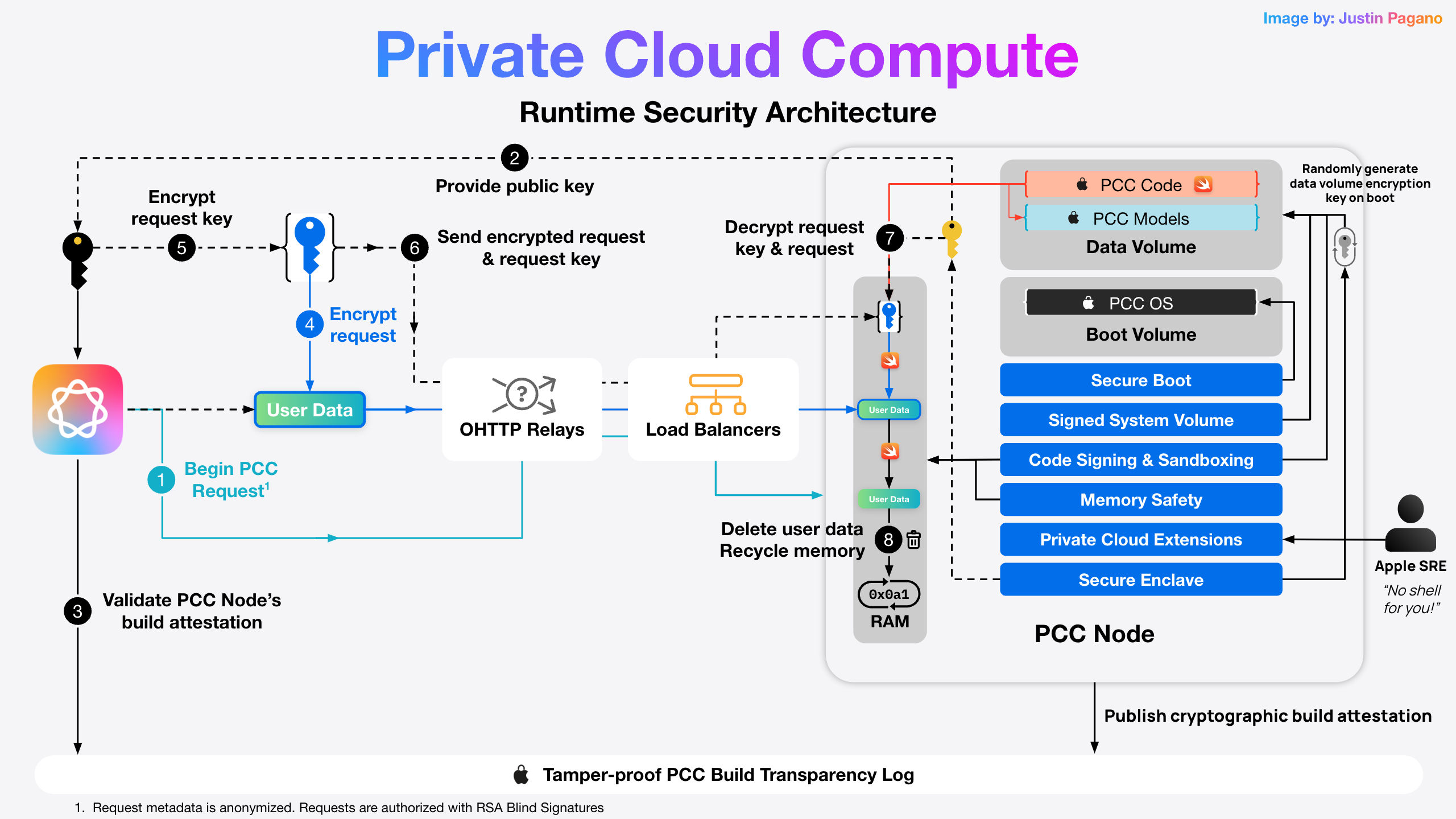
Apple’s integration of “Apple Intelligence” and a revamped Siri marks a strategic shift toward hybrid AI, combining on-device processing with Private Cloud Compute. According to recent WWDC announcements, this architecture allows the tech giant to deliver personalized, context-aware AI across iOS, macOS, and visionOS while attempting to maintain its signature privacy standards.
Apple isn’t just adding a chatbot to the iPhone. They’re rebuilding how the operating system thinks. By using a “system orchestrator,” the new Siri can actually see what’s on your screen and take actions inside apps using the Spotlight index and App Toolbox. It’s a move from a voice assistant that answers questions to an agent that completes tasks.
Why does the hybrid AI architecture matter for the average user?
Most AI today happens in the cloud. You send data to a server, and the server sends an answer back. Apple is changing this with a hybrid model. Simple tasks stay on your device, keeping your data private and the response time instant. Complex requests move to Apple’s Private Cloud Compute.

This approach solves the “privacy paradox.” Users want the power of a massive Large Language Model (LLM) but don’t want their personal emails or photos training a public model. By licensing technology from Google’s Gemini family for certain tasks while keeping the core “Apple Foundational Models” internal, Apple is hedging its bets on performance and security.
The shift from “Apps” to “Actions”
For years, we’ve lived in a world of app-switching. You open a calendar, find a date, then open a message app to tell a friend. The new Siri AI aims to kill that friction. Because it has access to the App Toolbox, you can simply say, “Send the flight details from my email to Sarah,” and the AI handles the bridge between apps.
Is Apple’s AI strategy enough to drive stock growth?
Wall Street is split on whether the stock is currently overvalued, but the sentiment remains bullish. Evercore ISI recently reiterated an Outperform rating with a $365 price target, citing confidence in the AI roadmap. Meanwhile, Wedbush is even more aggressive, maintaining an Outperform rating with a $400 price target.
Wedbush argues that the market hasn’t fully priced in “AI monetization.” This likely refers to a potential “AI supercycle”—a wave of hardware upgrades where millions of users buy new iPhones simply to run Apple Intelligence, as older chips can’t handle the on-device processing requirements. This mirrors the transition to 5G, which forced a massive hardware refresh across the user base.
How will “Visual Intelligence” change mobile photography?
Apple isn’t just improving photo editing; they’re changing how the camera interacts with the world. The updated Image Playground and expanded Visual Intelligence tools allow the device to recognize objects and context in real-time.
Imagine pointing your camera at a restaurant and having Siri instantly pull up your previous reservations there or suggest a dish based on your dietary preferences stored in HealthKit. This moves the smartphone from a capture device to a cognitive layer between the user and their environment.
What happens to parental control in an AI world?
As AI makes content generation easier, the risks for younger users increase. Apple is responding by integrating AI into its safety suite. The new updates for iOS and iPadOS include a simplified setup for child accounts and age-based restrictions.
These aren’t just blocks on websites. They’re intelligent filters designed to reduce access to inappropriate AI-generated content. By baking these controls into the OS level, Apple is positioning itself as the “safe” AI ecosystem, a move that appeals strongly to families and educational institutions.
| Analyst Firm | Rating | Price Target | Primary Driver |
|---|---|---|---|
| Evercore ISI | Outperform | $365 | AI Strategy confidence |
| Wedbush | Outperform | $400 | Services & AI monetization |
Frequently Asked Questions
When will Apple Intelligence be available to the public?
Most features are slated for a wide release this fall alongside iOS 18, with a public beta starting in July.
What is the difference between Siri and the new Siri AI?
The new Siri uses a “system orchestrator” and chatbot-like interface to understand user context and perform actions across different apps, rather than just providing voice-to-text answers.
Does Apple use Google for its AI?
Apple uses its own Foundational Models but has licensed technology from Google’s Gemini family to enhance certain capabilities.
Why are analysts bullish on Apple despite valuation concerns?
Firms like Wedbush and Evercore ISI believe the potential for AI-driven hardware upgrades and new service revenue outweighs current valuation metrics.
What do you think about Apple’s AI pivot?
Will “Apple Intelligence” be enough to make you upgrade your phone this year, or is the hype outweighing the utility? Let us know in the comments below or subscribe to our newsletter for more deep dives into the future of tech.