
Everything you need to know about sugar – from how much you should consume, to some of its 50 disguises | Food
Added sugar is pervasive in the modern diet, often hidden under more than 50 different names on food labels. According to the British Nutrition Foundation (BNF), many consumers exceed recommended limits because free sugars—those added by manufacturers or consumers—are present in a wide range of products, from fizzy drinks and confectionery to seemingly savory sauces and breakfast cereals. Health authorities, including the World Health Organization and the NHS, recommend that free sugars should account for no more than 5% to 10% of total daily calorie intake to mitigate risks of tooth decay, obesity, and cardiovascular disease.
What counts as free sugar?
Free sugars include all sugars added to food and drink, as well as those naturally present in honey, syrups, and fruit juices. Sammie Gill, a senior scientist at the BNF, notes that while products like honey may carry a “health halo,” they are still processed by the body in much the same way as white sugar. Even items marketed as “healthy” or “no added sugar,” such as certain baby snacks or snack bars, often contain high levels of sugar derived from fruit purees or concentrates, according to reports from The Food Foundation and Action on Sugar.
Did You Know? More than 50 different names for sugar appear on product labels, including terms ending in “ose,” such as dextrose, as well as molasses, treacle, and various fruit juice concentrates.
Health risks and the role of sugary drinks
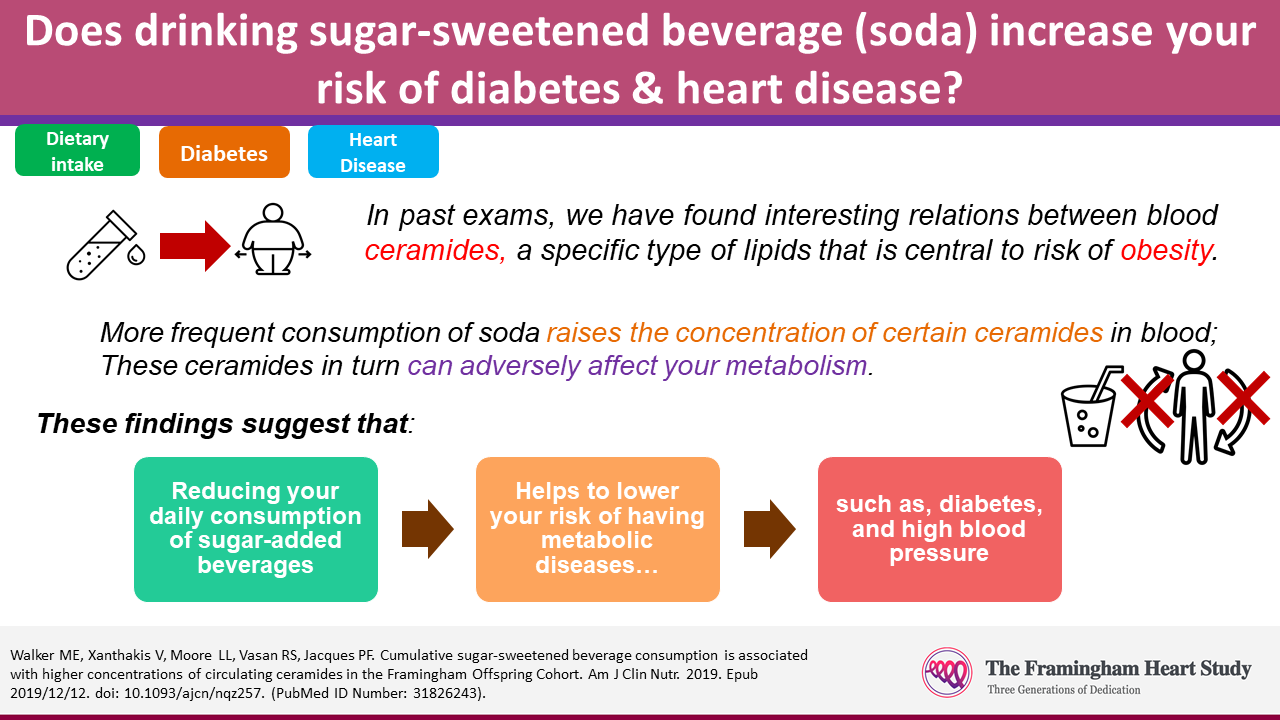
Sugary drinks represent a primary source of excess sugar consumption for both adults and children, making it easy to ingest large quantities rapidly. Research, including the long-running Framingham Heart Study, links high consumption of these beverages to increased liver fat and poor cholesterol profiles. Furthermore, a 2024 observational study from Lund University involving 70,000 participants found that liquid sugar intake is strongly associated with an increased risk of heart failure, stroke, and atrial fibrillation, likely because liquid forms of sugar are less satiating than solid foods.

Expert Insight: The challenge with sugar is not merely physiological but deeply cultural and habitual. While sugar is not addictive in the clinical sense of a substance like nicotine, researchers like Kawther Hashem of Action on Sugar observe that people develop strong behavioral attachments to sugary foods, which are often used to express affection or celebrate milestones, making moderation a complex, long-term dietary adjustment.
Can sweeteners replace sugar?
While the UK implemented a soft drinks industry levy in 2018 that encouraged manufacturers to reduce sugar content, many have transitioned to using high-intensity sweeteners. However, the World Health Organization (WHO) advised in 2023 that non-sugar sweeteners should not be used as a primary tool for weight control or preventing non-communicable diseases. Emerging data, including a 2023 Brazilian study, suggest that some sweeteners may have links to cognitive health issues or disruptions to the gut microbiome. Consequently, health bodies suggest that while sweeteners may assist in a gradual transition away from sugar, water remains the ideal alternative for hydration.
What happens next?
As public health awareness grows, analysts expect continued pressure on food manufacturers to reformulate products, particularly with the UK’s 2028 expansion of the sugar tax to include certain milk-based drinks. Future dietary guidance may increasingly focus on “retraining the palate” through the gradual reduction of sweet tastes rather than relying on sugar substitutes. Researchers also suggest that environmental concerns—such as the high land and water usage required for sugar beet and cane production—could eventually play a larger role in how sugar consumption is framed in global sustainability policy.
Frequently Asked Questions
Is fruit bad for me because of the sugar it contains?
No. The British Nutrition Foundation states that whole fruits provide essential nutrients like fiber, vitamin C, and phytochemicals, which are not found in processed items like sweets or cola.
How much added sugar should I eat in a day?
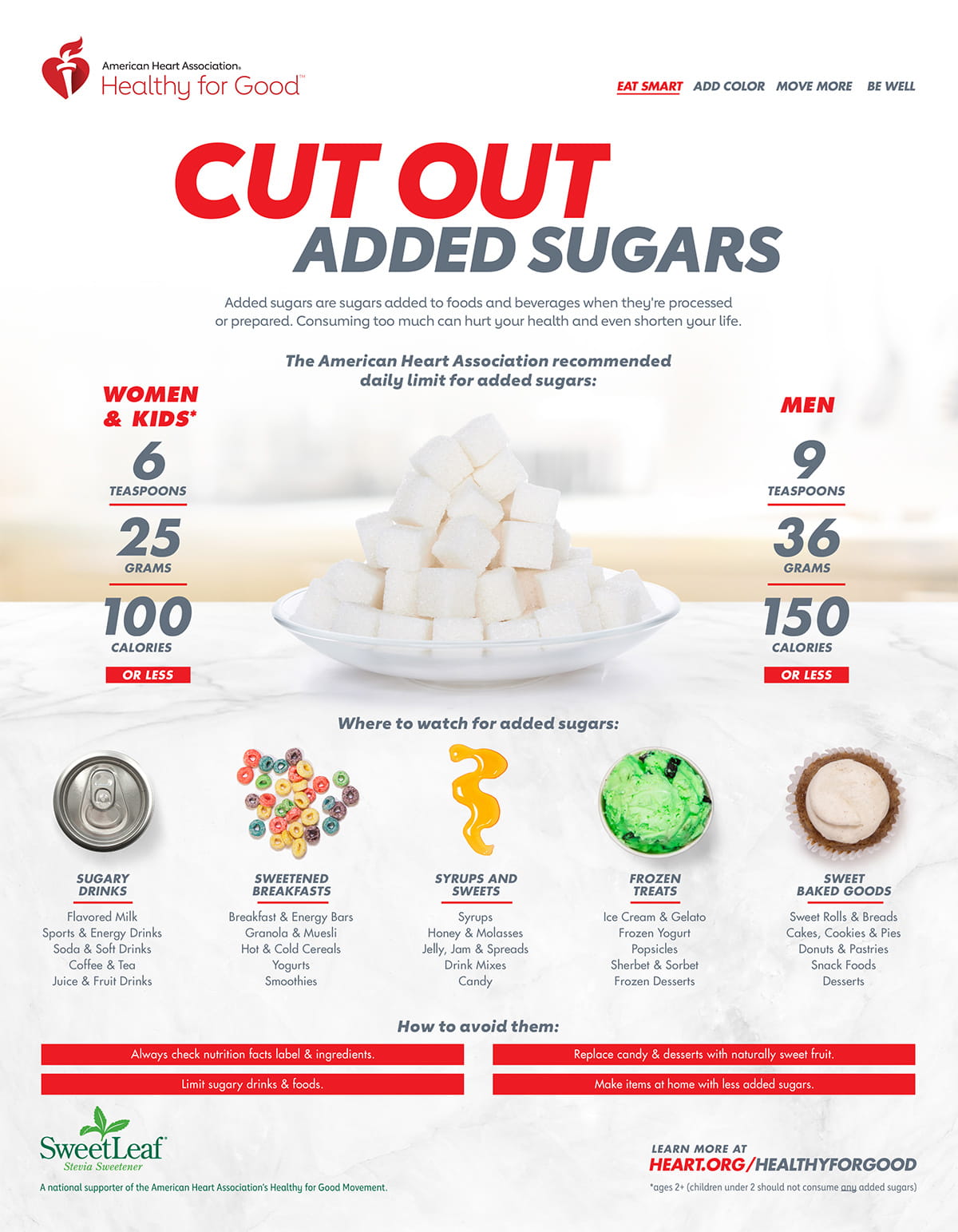
The NHS recommends that free sugars should be limited to 5% of daily calories, which is approximately 30 grams or seven sugar cubes. The WHO and American Heart Association suggest a slightly higher limit of 10% of daily calories.
Are all sweeteners safe to use?
Sweeteners are regulated and considered safe up to their “acceptable daily limits.” However, the WHO does not recommend them for weight control, and some observational studies have raised concerns regarding potential links to cardiovascular or cognitive health issues.
Are you willing to swap your daily sweetened beverage for water or another low-sugar alternative to help your long-term health?