

Exclusive: Iran deal includes $300 billion fund, more than half of which already committed, source says
A $300 billion private investment vehicle, the Reconstruction and Development Fund, has been outlined in a U.S.-Iran framework agreement to stimulate economic activity in Iran. According to a source with direct knowledge told Reuters, more than $150 billion has already been committed by private entities across five global regions, though the fund only becomes operational after a final deal is signed.
Why is the Reconstruction and Development Fund being created?
The fund serves as an economic incentive for both Washington and Tehran to finalize a peace agreement. U.S. and Iranian officials agreed on a framework Sunday to end a conflict that began when U.S. and Israeli forces attacked Iran on February 28. The broader agreement aims to halt the U.S. blockade of Iran and reopen the Strait of Hormuz, a critical artery for global oil and gas supplies.
Unlike traditional aid, this is a private investment vehicle. A source told Reuters the fund contains no government money or grants. Instead, it relies on private financing from companies based in the U.S., Asia, Africa, South America, and the Gulf Arab states.
How does the $300 billion fund differ from Iran’s initial demands?
The current fund structure represents a shift from Tehran’s original financial goals. A senior Iranian source told Reuters that Tehran initially sought $400 billion in direct compensation from the U.S. for war damages. Washington rejected that request.
The Reconstruction and Development Fund emerged as an alternative. While the $400 billion demand was for reparations, the $300 billion fund is for investment. This shifts the financial burden from the U.S. taxpayer to private global investors.
Comparison of Financial Frameworks
| Feature | Initial Iranian Demand | Proposed Private Fund |
|---|---|---|
| Total Amount | $400 Billion | $300 Billion |
| Funding Source | U.S. Government (Compensation) | Private Entities (Investment) |
| Purpose | War Damages/Reparations | Reconstruction and Development |
Which countries and sectors are involved in the financing?
Private commitments have come from companies in South Korea, Japan, Singapore, Malaysia, and the United States. These investors are targeting energy, logistics, manufacturing, and transport sectors.
The funding is earmarked for specific infrastructure damaged during the conflict. According to an Iranian source, this includes the Mobarakeh Steel complex, various refineries, airports, and general infrastructure. This is a significant shift for Iran, which has seen almost no substantial foreign direct investment in 40 years due to U.S. and international sanctions.
What conditions must Iran meet to access the capital?
Access to the funds is contingent on strict compliance. In a CBS interview, Vice President JD Vance stated that Iran could gain access to the fund if it dismantles its nuclear program. This includes eliminating its stockpile of enriched material and accepting a stringent regime of inspections and enforcement.
The fund won’t be created or become operational until a final, satisfactory deal is signed. Currently, a 60-day memorandum of understanding is intended to structure the process. During this window, fund administrators will work with investors and Iranian officials to scope specific projects.
What happens next in the U.S.-Iran negotiations?
Negotiators are working across multiple tracks. These include nuclear issues, sanctions lifting, and regional security. The 60-day framework is not a final agreement but a roadmap.
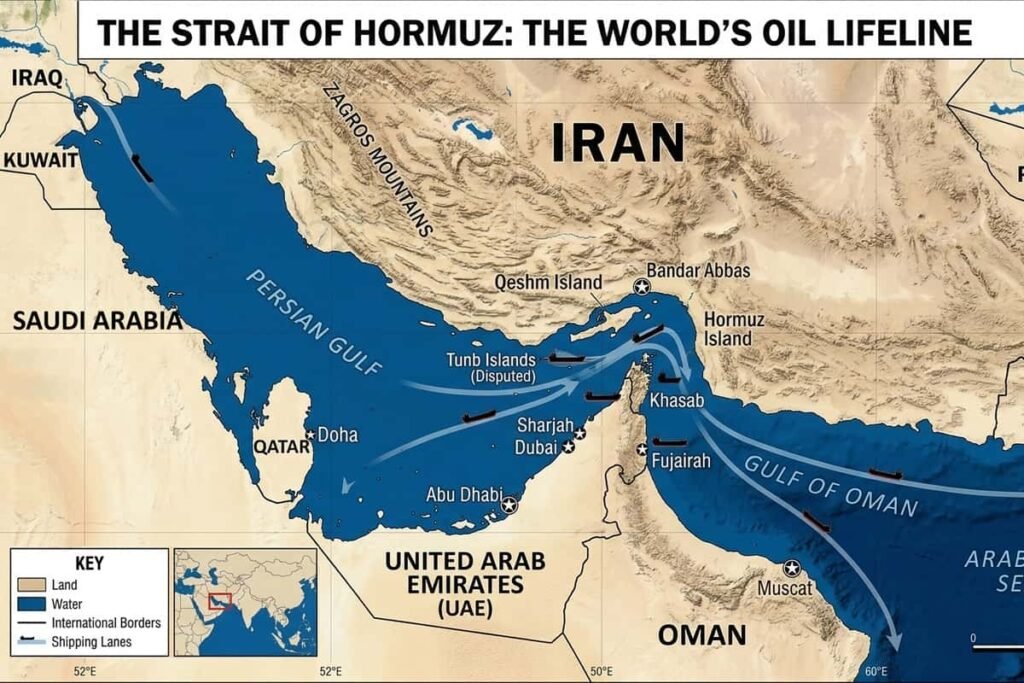
The success of the fund depends on the final signatures expected this Friday. If the deal holds, the fund could unlock capital for a population of 92 million people and a diversified industrial base that has remained untapped by global markets for decades.
Frequently Asked Questions
Does the U.S. government provide the $300 billion?
No. According to a source told Reuters, the fund is a private investment vehicle and contains no government money or grants.
Is the fund operational now?
No. It will only be created and become operational once a final deal is signed between the U.S. and Iran.
What industries will receive the most investment?
Pledged investments primarily span energy, logistics, manufacturing, and transport, including the reconstruction of steel complexes and refineries.
Want to stay updated on global economic shifts? Share your thoughts on this deal in the comments below or subscribe to our newsletter for real-time analysis of international trade and diplomacy.