
Exmoor Ponies Moved to Wolf-Proof Night Pasture in Drents-Friese Wold
What Happens Next for Aekingerzand’s Exmoor Ponies?
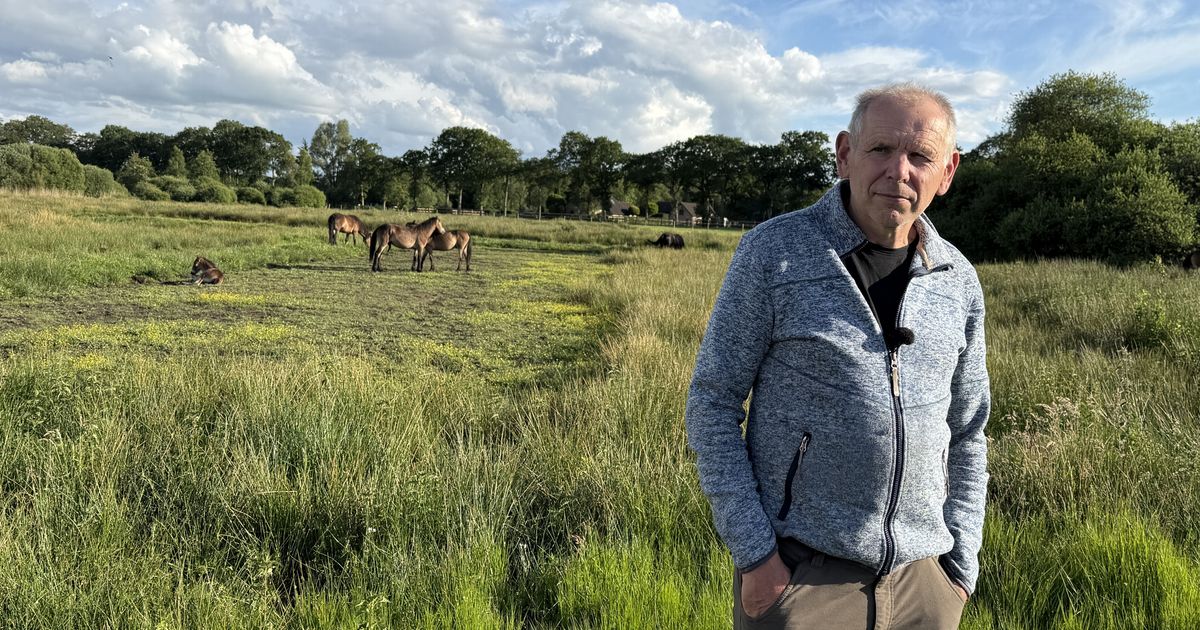
Exmoor pony owner Jaap Mekel plans to move his herd to a wolf-proof night pasture after the Netherlands Food and Consumer Product Safety Authority (NVWA) warned of inadequate protection for the animals. The measure, part of a broader effort to balance wildlife conservation with livestock safety, faces funding and logistical hurdles.
Why Is the Night Pasture Controversial?
The 15-hectare night pasture, located in the south of Aekingerzand, aims to shield foals from wolves until they are strong enough to defend themselves. Mekel, who manages the ponies for Staatsbosbeheer, said the plan aligns with NVWA requirements following the deaths of six foals since 2024. “The wolves are too smart,” he said, citing footage of ponies chasing off predators.
However, critics argue that the social herd strategy—relying on group defense—lacks legal backing. Annemieke van Straaten of the Foundation Against Mismanagement in Nature warned that “no laws mandate this approach,” urging stricter protections. The NVWA’s inspection, triggered by her complaint, led to the June 1 deadline for a safety plan.
How Do Wolf Attacks Impact the Herd?
Since 2024, nine foals have been born on Aekingerzand, but six have vanished or been found dead. Wolf predation has become a recurring threat, with two confirmed deaths and three still missing. Mekel noted the ponies “have a great life” but acknowledged the challenge of coexisting with wolves, which returned to the Drents-Friese Wold in 2019.
Local conservationists highlight the ponies’ role in maintaining open landscapes through grazing. The 650-hectare area, home to 200 exmoor ponies, supports biodiversity but also attracts predators. “The wolves are part of the ecosystem,” said a Staatsbosbeheer spokesperson, “but we must protect both wildlife and livestock.”
What Are the Financial and Logistical Challenges?
Mekel’s night pasture plan depends on subsidies, with costs estimated at €150,000 for fencing and maintenance. Current talks with regional authorities remain inconclusive, leaving the project in limbo. “We need funding to act quickly,” he said, stressing that delays could worsen the foal mortality rate.
The plan also raises questions about scalability. Mekel previously avoided wolf-proof fencing due to its high cost and impracticality for large areas. Instead, he relied on social herds, a method that requires three years of training for ponies to develop collective defense behaviors. Critics, however, say this approach is “unproven” and “risky.”
Did You Know?
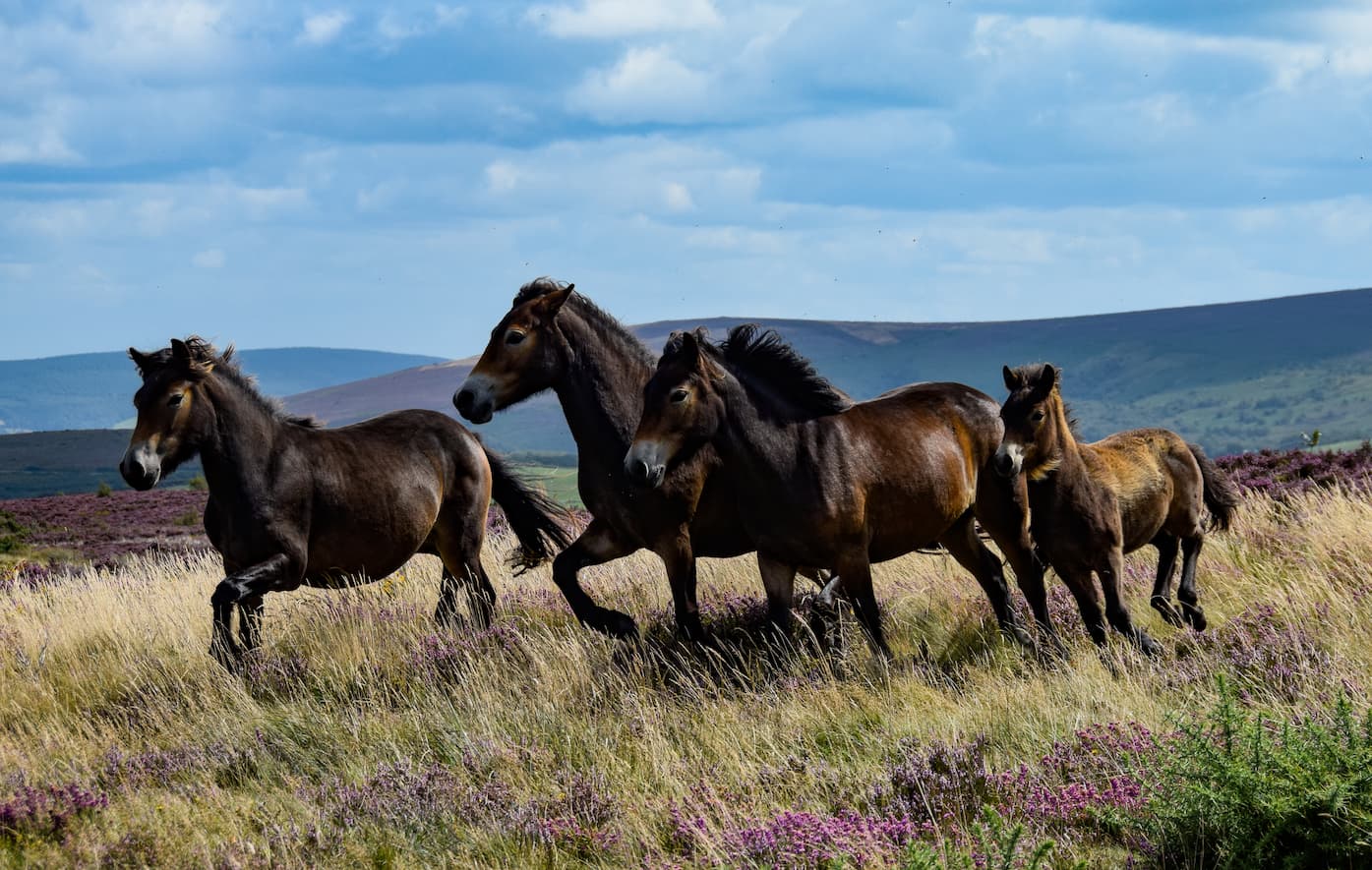
Exmoor ponies, a rare breed, are native to England but were introduced to the Netherlands for conservation grazing. Their presence on Aekingerzand helps prevent scrub encroachment, maintaining habitats for birds and insects.

What’s Next for Wolf-Proof Pastures in the Netherlands?
The Aekingerzand case could set a precedent for managing human-wildlife conflicts. Similar debates are emerging in other regions, such as the Veluwe, where deer populations clash with predators. Experts suggest that integrated solutions—combining technology, education, and policy—may offer a path forward.
How Do Other Countries Handle Wolf-Livestock Conflicts?
Sweden and Finland use electric fencing and guard dogs to protect livestock, while Germany relies on compensation schemes for farmers. In the U.S., non-lethal deterrents like range riders and fladry (colored flags) are common. Mekel’s approach, however, reflects a unique blend of traditional grazing and adaptive management.
Pro Tip
Supporters of the night pasture plan recommend engaging local communities in wildlife monitoring. Citizen science projects, like tracking wolf movements via GPS collars, can inform more targeted conservation strategies.
FAQ: Key Questions About the Aekingerzand Pony Situation
Why are the ponies at risk?
Wolves, reintroduced to the Drents-Friese Wold, have preyed on foals, with six deaths reported since 2024. The ponies’ grazing role in maintaining open landscapes complicates efforts to exclude predators.
Will the night pasture solve the problem?
The plan aims to protect foals until they are older but depends on funding and implementation. Experts note that long-term solutions require balancing conservation goals with practical livestock protection.
How can readers get involved?
Follow updates from Staatsbosbeheer and the NVWA. Local environmental groups often host workshops on coexistence strategies. For more on wolf management, visit the Dutch Nature Conservation Foundation’s website.
Call to Action
What’s your take on balancing wildlife conservation with livestock safety? Share your thoughts in the comments below or explore our coverage of similar issues in the Netherlands. Stay informed by subscribing to our newsletter for updates on Aekingerzand and beyond.