

Experience the American Revolution: New Mixed Reality Journey at Versailles
The Evolution of Historical Storytelling: Beyond the Textbook
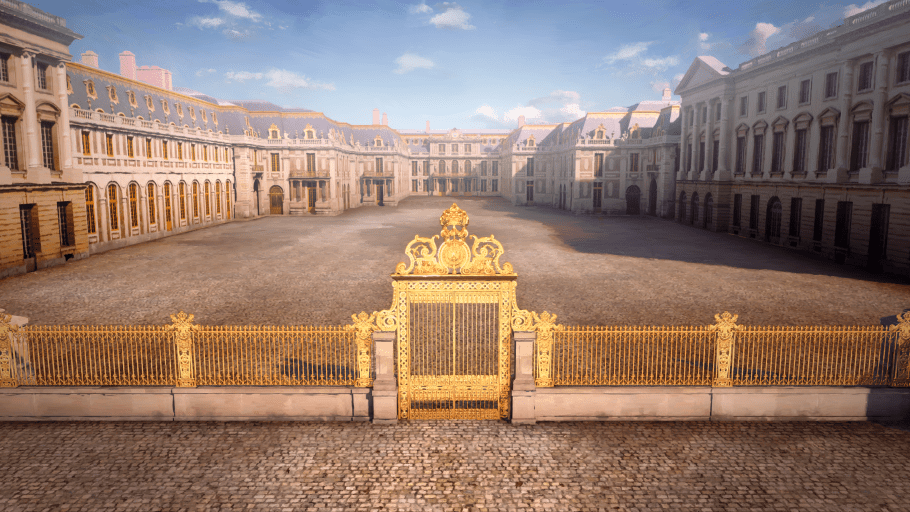
For centuries, history was something we read in dusty books or viewed behind velvet ropes in silent museums. Today, that narrative is shifting. Cultural institutions like the Palace of Versailles are pioneering a move toward immersive historical storytelling, where the past is no longer a static image, but a living, breathing environment that responds to our presence.
By integrating Mixed Reality (MR) into heritage sites, curators are solving a long-standing problem: how to make complex diplomatic history, such as the French-American alliance during the Revolutionary War, feel relevant to a modern, digital-native audience.
Why Mixed Reality is the Future of Museums
Mixed Reality represents the next frontier in the future of digital heritage. Unlike Virtual Reality (VR), which cuts the user off from the physical world, MR overlays digital artifacts—like 18th-century naval maps or holographic figures of Benjamin Franklin—onto the very rooms where history actually unfolded.
Interactive Learning and Engagement
Data from recent museum studies indicates that visitors retain up to 40% more information when they interact with physical-digital hybrids compared to traditional static displays. By allowing visitors to “manipulate” historical objects—digitally rotating a frigate or commanding a fleet—the barrier to entry for complex geopolitical topics disappears. It turns the visitor from a passive observer into an active participant in the narrative.
The New Standard for Global Heritage
The collaboration between cultural landmarks and tech innovators, such as Yalla.Digital Inc. And First Step Productions, sets a high bar for international tourism. We are seeing a trend where educational tourism is becoming the primary draw for high-net-worth travelers and families alike. The goal is no longer just to “see” Versailles, but to “experience” the weight of the decisions made within its walls.
Did You Know?
The digital reconstruction of 18th-century naval strategies isn’t just for show. Historians are increasingly using the same software engines developed for these museum experiences to visualize military logistics that are otherwise impossible to understand through written archives alone.
Frequently Asked Questions (FAQ)
- What is the difference between Mixed Reality and Virtual Reality in museums?
Virtual Reality (VR) immerses you in a fully digital world. Mixed Reality (MR) blends digital elements with your real-world surroundings, allowing you to see the actual architecture of a historic palace while interacting with digital overlays. - Are these immersive experiences suitable for children?
Most modern MR exhibits are designed for ages 8 and up. They are highly intuitive, often using “gamified” mechanics that make complex history accessible to younger generations. - Will these technologies replace traditional guided tours?
They are intended to complement, not replace, human expertise. The best experiences, like the ones at Versailles, often blend the narrative voice of historical figures with the physical guidance of expert staff.
The Road Ahead
As we look toward the future of global commemorations, expect to see more “digital layers” added to our physical history. This convergence of history and technology ensures that the narratives of the past remain dynamic, engaging, and, most importantly, unforgettable for the next 250 years.
What do you think? Would you prefer a traditional guided tour or an immersive, tech-driven exploration of historical sites? Share your thoughts in the comments below, or subscribe to our newsletter for more insights on the intersection of travel, culture, and innovation.