

Extreme Heat Forces Nuclear Power Shutdown at France’s Golfech Plant
Rising river temperatures and droughts are forcing European power plants to reduce output or shut down to meet safety regulations. According to EDF and Ember Energy, extreme heat triggered the closure of the Golfech Unit 2 reactor in June and caused a 7GW nuclear shortfall in July 2025, while Reuters reports a 13% drop in European hydropower supplies.
Why are nuclear plants shutting down during heatwaves?
Nuclear reactors require massive amounts of water to cool their equipment. Plants like Golfech in southern France pull water from nearby sources—in this case, the Garonne River—and return it to the river after it has absorbed heat from the plant.
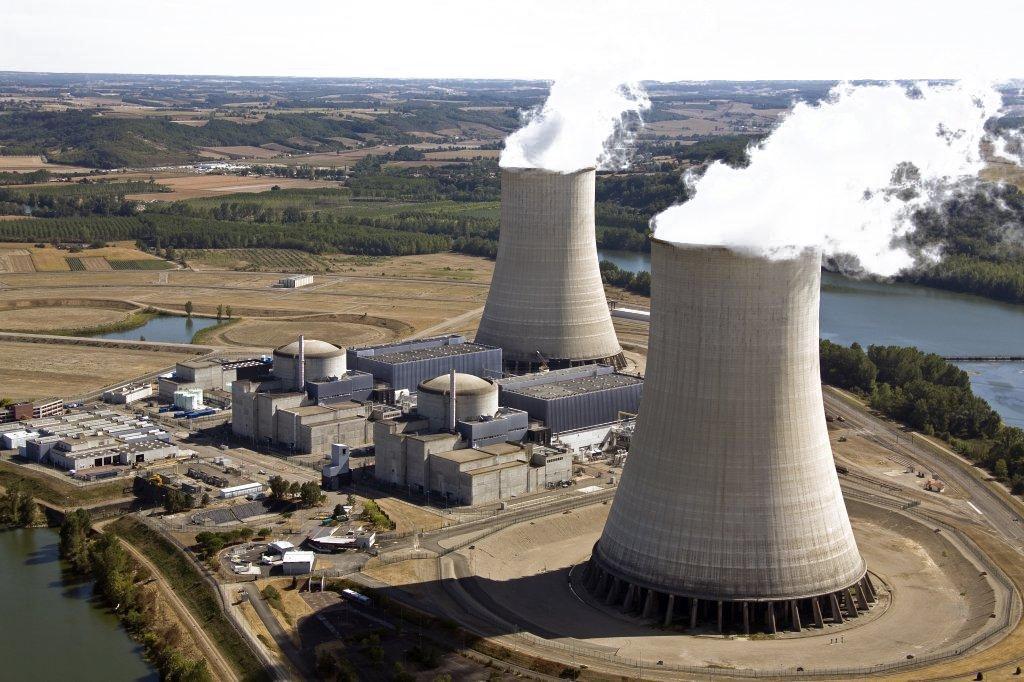
French regulations strictly limit the temperature of this return stream to protect aquatic ecosystems. According to Brid Nelligan, a spokesperson for EDF, Golfech Unit 2 shut down at 11:45 p.m. on June 22 because the return water was expected to hit 28°C (82°F), exceeding safety thresholds.
This isn’t an isolated incident. Nelligan confirmed that EDF has also ramped down output at the Nogent-sur-Seine power plant and expects further limitations across its fleet as temperatures rise.
How does extreme heat impact nuclear vs. hydropower?
While both are low-carbon energy sources, heat affects them through different physical mechanisms. Nuclear power is limited by temperature, whereas hydropower is limited by volume.
Nuclear plants must throttle back when the water they use for cooling is too warm to be effective or violates environmental laws. For example, data from Ember Energy shows that a July 2025 heatwave forced the shutdown of at least seven gigawatts of nuclear energy across France—a capacity greater than the entire national grid of Ireland.
Hydropower plants face a different crisis: drought. When river levels drop, there isn’t enough water pressure to turn turbines. According to Reuters, high temperatures and low water conditions slashed European hydropower supplies by 13% in the first five months of 2025 compared to the previous year.
| Energy Source | Primary Heat Threat | Recent Impact |
|---|---|---|
| Nuclear | Water Temperature | 7GW shutdown (July 2025) |
| Hydropower | Water Volume/Drought | 13% supply drop (Early 2025) |
Will these outages cause blackouts?
Not necessarily. While individual plant shutdowns sound alarming, grid operators manage the overall balance of supply and demand. RTE, the operator of France’s national electric grid, stated that recent outages and output limitations aren’t expected to be drastic enough to prevent France from meeting its electricity demand.
The risk increases when heatwaves hit multiple countries simultaneously. Since European grids are interconnected, a shortfall in France can be offset by imports from neighbors—unless those neighbors are also shutting down plants due to the same heatwave.
What happens next for European energy resilience?
The recurring nature of these shutdowns suggests a need for infrastructure adaptation. Engineers are looking at “dry cooling” technologies—which use air instead of water—though these are often more expensive and less efficient than traditional river-based systems.
The disparity between the 7GW nuclear loss reported by Ember Energy and the 13% hydropower drop reported by Reuters highlights a systemic vulnerability. Energy portfolios that rely heavily on water-dependent sources are more susceptible to “climate-driven volatility.”
Frequently Asked Questions
Is a nuclear plant shutdown due to heat dangerous?
No. As EDF noted regarding the Golfech plant, these are “precautionary measures.” The plants are designed to shut down safely when environmental or technical limits are reached.
Why can’t plants just use more water?
Using more water doesn’t solve the temperature problem; it actually increases the amount of warm water returned to the river, which would violate environmental regulations more severely.
Which energy sources are most resilient to heat?
Solar power generally performs well in heat, though its efficiency drops slightly at extreme temperatures. Wind power is largely unaffected by temperature but depends on atmospheric pressure changes.
Want to stay updated on the energy transition? Let us know in the comments if you think Europe should invest more in dry-cooling technology, or subscribe to our newsletter for deeper dives into grid resilience.