

Exxon Pours Billions into Meeting Rebound in Carbon Capture Demand
There is a profound irony in the current climate landscape: the companies that spent decades fueling the carbon crisis are now positioning themselves as the architects of its solution. ExxonMobil is no longer just selling oil. it is building a massive, underground plumbing system for the atmosphere. By investing billions into Carbon Capture and Storage (CCS), the oil giant is betting that the world will eventually pay them to take back the carbon they helped put out.
This isn’t just a pivot for the sake of public relations. It is a calculated response to a new, unexpected driver of emissions: the artificial intelligence boom. As data centers hum with the processing power required for LLMs, the energy appetite of Big Tech is skyrocketing, creating a desperate need for scalable decarbonization tools.
The AI Paradox: Intelligence at a Carbon Cost
We often think of AI as a “cloud” technology—ethereal and weightless. In reality, AI is anchored by massive physical infrastructure that consumes staggering amounts of electricity and water. Recent data suggests that the AI rollout could add millions of metric tons of carbon emissions annually through 2030.
For tech giants like Microsoft, Google, and Amazon, this creates a strategic crisis. These companies have pledged to be “carbon negative” or “net zero,” but the physical reality of AI hardware is pushing them in the opposite direction. This is where the synergy with companies like Exxon begins.
When a tech company cannot reduce its emissions further through renewable energy alone, it turns to industrial carbon sequestration. By paying an infrastructure provider to capture CO2 at the source and pump it deep underground, Big Tech can balance its books while continuing its AI arms race.
From ‘Paper’ Credits to Physical Infrastructure
For years, the corporate world relied on carbon credits—essentially paying someone else to plant trees or protect a forest to “offset” their own pollution. However, the market for these credits has recently cratered due to accusations of greenwashing and a lack of verifiable impact.

The trend is now shifting from “paper offsets” to “hard assets.” Investors and regulators are increasingly skeptical of a forest in another hemisphere that might burn down in five years. Instead, they are looking for permanent, measurable storage.
The Rise of the Carbon Pipeline
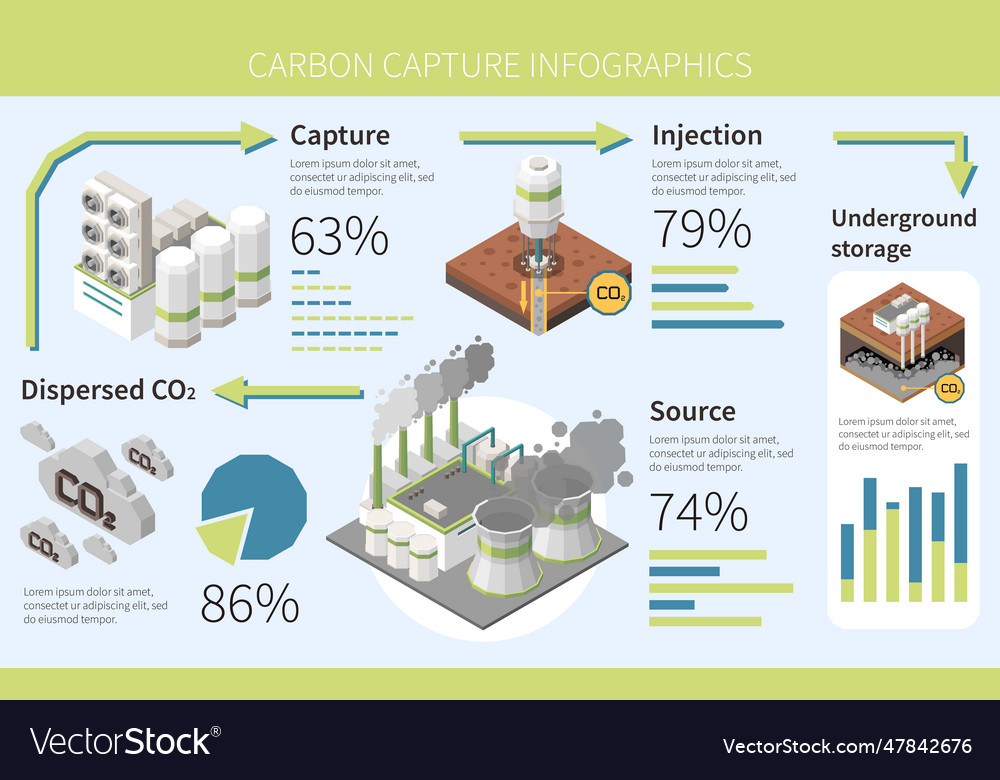
Exxon’s strategy involves building a network of underground transfer pipelines. This transforms carbon from a waste product into a commodity. By creating a “utility” for carbon, they can charge other industrial emitters—cement plants, steel mills, and data centers—a fee to transport and store their emissions.

According to the International Energy Agency (IEA), scaling CCS is critical to meeting global climate goals, but the pace of deployment must accelerate significantly to make a dent in global warming.
The Decoupling of Climate Action from Politics
One of the most significant trends emerging is the decoupling of green investment from government policy. While political cycles in the US and EU often swing between aggressive climate action and deregulation, corporate demand is becoming a steady, independent driver.
Companies are no longer investing in CCS just because a government subsidy makes it profitable; they are doing it because their business models depend on it. Whether the current administration supports a carbon tax or not, a tech company with a 2030 net-zero goal still needs a place to put its carbon.
This shift suggests that the “Green Industrial Revolution” is moving into a pragmatic phase. It is less about ideology and more about risk management and operational necessity.
The Trust Gap and Social License
Despite the technical promise, the “social license to operate” remains a hurdle. Local communities, particularly in regions like Louisiana, have expressed skepticism about pumping millions of tons of CO2 underground. Concerns over leakage and seismic activity mean that the future of CCS will be decided as much by community relations as by engineering.
To succeed, the industry must move toward total transparency. This includes third-party verification of sequestered carbon and a move away from using captured carbon for “Enhanced Oil Recovery” (EOR)—the practise of pumping CO2 into old wells to push out more oil—which critics argue defeats the purpose of the technology.
Future Outlook: Where is the Market Heading?
Looking ahead, People can expect a consolidation of the carbon capture market. We will likely see the emergence of “Carbon Hubs”—industrial zones where multiple factories and data centers share a single, massive sequestration pipeline to reduce costs.
as the cost of capture technology drops, we may see a transition toward Carbon Utilization. Instead of just storing CO2, companies will find ways to turn it into sustainable aviation fuel, carbon-cured concrete, or high-strength plastics, turning a liability into a revenue-generating product.
For more on how technology is reshaping our environment, check out our guide on Sustainable Tech Trends for the Next Decade.
Frequently Asked Questions
CCS is a technology that captures carbon dioxide (CO2) emissions from industrial sources, transports it via pipelines, and injects it deep underground into geological formations for permanent storage.
AI requires massive amounts of computing power, which consumes huge quantities of electricity. Since much of the global power grid still relies on fossil fuels, more AI processing leads to more CO2 emissions.
Carbon credits are often financial instruments used to “offset” emissions by funding external projects (like reforestation). CCS is a physical engineering process that removes and stores actual carbon molecules from the atmosphere or industrial streams.
Critics argue it is greenwashing when companies use it to justify continued fossil fuel production. However, many scientists agree that some level of CCS is mathematically necessary to reach net-zero goals.
Join the Conversation
Do you think carbon capture is a genuine solution to the climate crisis, or just a way for big polluters to keep doing business as usual?
Let us know in the comments below or subscribe to our newsletter for weekly insights into the intersection of tech and climate.