
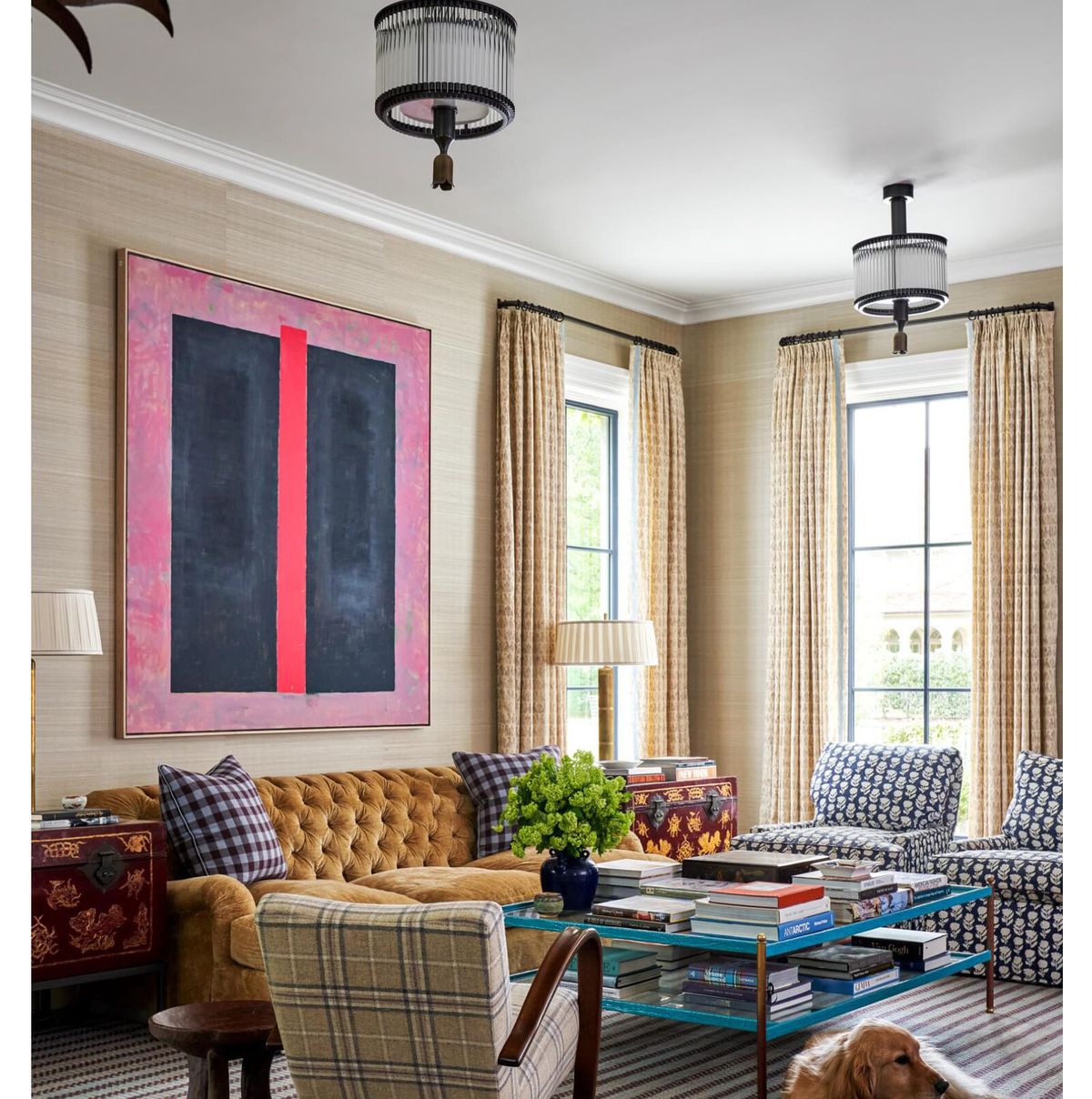
Eye Candy: Pinterest Favorites of the Week
Curated interior design is evolving into “intentional living,” where homes become reflections of personal identity rather than showrooms. Industry data from Pinterest Predicts indicates a surge in “maximalist” and “biophilic” trends, moving the needle toward spaces that prioritize emotional resonance and sustainable, human-led curation over algorithmic shopping.
Why is “Curated Commerce” replacing traditional online shopping?
The era of the endless scroll is fading. Shoppers are exhausted by the paradox of choice offered by giant marketplaces. Instead, we’re seeing a pivot toward the “Curator Economy.” This is where trusted tastemakers—like those utilizing ShopMy or curated Etsy storefronts—act as filters for quality and style.
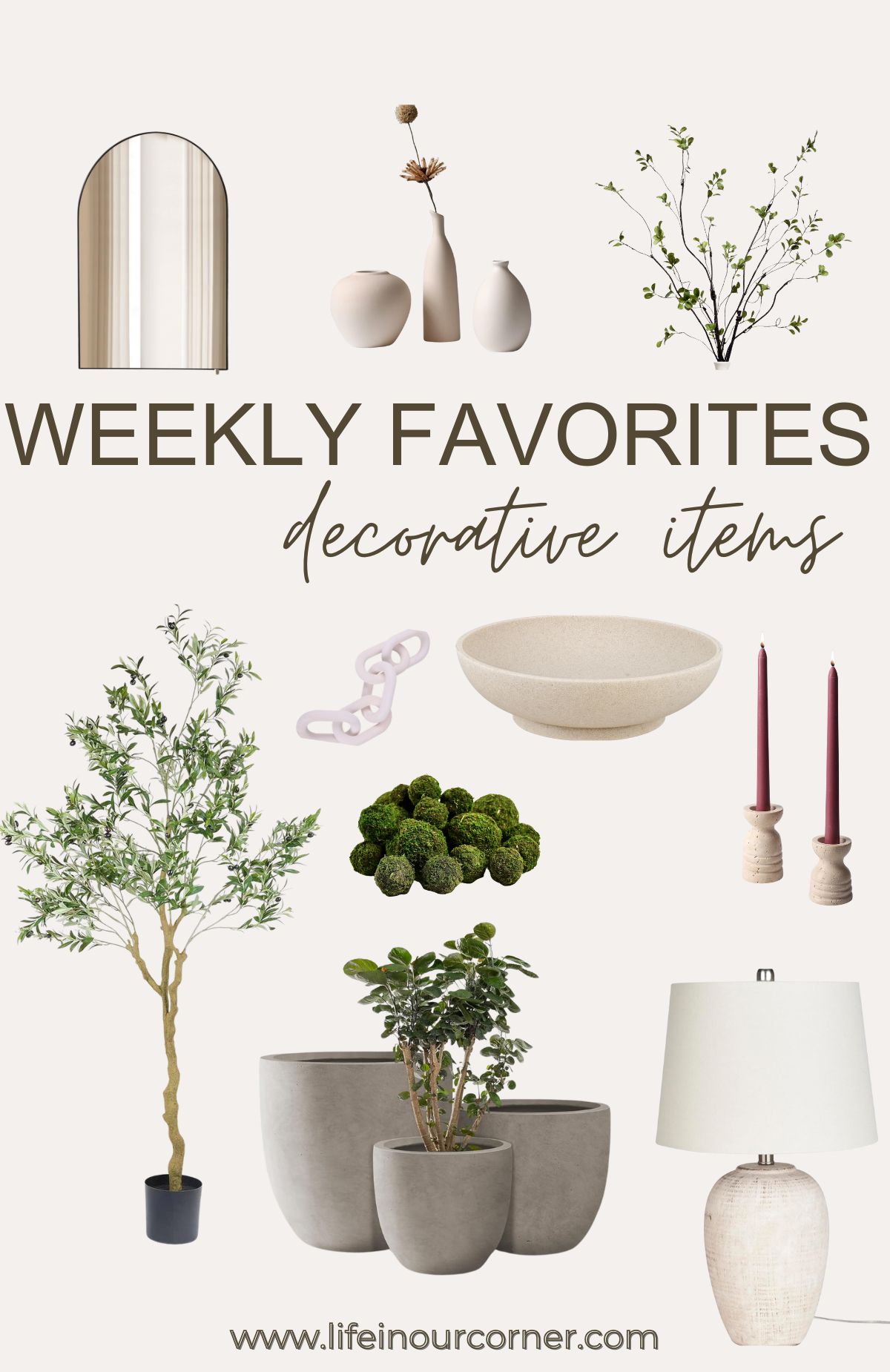
Unlike an algorithm that suggests a product because you clicked it once, human curation relies on aesthetic cohesion and lived experience. According to recent consumer behavior shifts, buyers are more likely to trust a “Weekly Wants” list from a known designer than a “Sponsored” ad. It’s the difference between buying a chair because it’s a bestseller and buying one because it fits a specific, curated vision of a home.
How will interior design evolve to support mental health?
We are moving past the “sad beige” era of minimalism. The future belongs to Dopamine Decor—the practice of filling your space with colors, textures, and objects that trigger genuine joy. It’s not about clutter; it’s about emotional utility.
Parallel to this is the rise of Biophilic Design. The World Green Building Council emphasizes that integrating nature into the built environment reduces stress and increases productivity. We’ll see more than just a few potted plants. Expect “living walls,” circadian lighting that mimics the sun, and a heavy reliance on organic materials like jute, reclaimed wood, and raw stone.
Compare this to the 2010s trend of “Industrial Chic.” Where that era focused on the coldness of steel and concrete, the new wave focuses on warmth and vitality. The goal isn’t to make a home look like a gallery, but to make it feel like a sanctuary.
What does the future of “Slow Travel” mean for home aesthetics?
Travel is no longer just about the destination; it’s about the “design haul.” We’re seeing a trend where travel serves as a primary source of interior inspiration. Instead of buying mass-produced souvenirs, the modern traveler seeks artisanal pieces that tell a story.

This “Slow Travel” movement encourages staying longer in one place and integrating local craftsmanship into the home. Whether it’s a hand-woven textile from a remote village or a piece of ceramics from a local studio, these items provide a level of authenticity that Etsy and other artisan marketplaces have helped mainstream.
The Travel-to-Home Pipeline
The process is becoming a cycle: Travel inspires a Pinterest board, which leads to a curated search for similar textures, which eventually manifests as a redesigned room. This creates a “globalist” interior style that feels collected over time rather than bought in a single weekend from a big-box store.
How to maintain an evergreen home style?
The secret to a timeless home isn’t following every trend; it’s blending the current with the classic. A successful space usually follows a 70/30 rule: 70% timeless foundations (neutral walls, quality furniture) and 30% trend-driven accents (bold pillows, seasonal art, curated objects).
By focusing on high-quality, sustainable pieces—the kind found in a Shopbop curated edit or a professional interior design portfolio—you avoid the waste cycle of fast furniture. Investing in pieces that age gracefully ensures your home remains relevant regardless of the current “it” color.
Answer: Stick to a consistent color palette. Pick three main hues and vary the saturation. This creates a “visual thread” that ties the room together, keeping it curated rather than chaotic.
Frequently Asked Questions
What is the difference between minimalism and intentional living?
Minimalism focuses on having *less*. Intentional living focuses on having the *right* things. It’s about the quality and meaning of the objects in your space, not necessarily the quantity.

Where can I find truly curated home inspiration?
Platforms like Pinterest are excellent for mood boarding, but following specific designers or curators who share their “Weekly Wants” provides a more filtered, professional perspective.
Is biophilic design expensive to implement?
Not at all. It starts with maximizing natural light, adding indoor plants, and using natural textures like linen or wool. You don’t need a professional installation to bring the outdoors in.
Ready to transform your space?
Whether you’re looking for a full home tour for inspiration or professional interior design services to bring your vision to life, we’re here to help. Let’s create a home that tells your story.
Contact The English Room today or subscribe to our newsletter for exclusive design tips and insider discounts.