

Fact Check: Barbara O’Neill’s False Claims on Cervical Cancer
Medical authorities confirm that cervical cancer is primarily caused by infection with the human papillomavirus (HPV), not by medical screening procedures. Recent claims circulating on social media suggesting that Pap smears and biopsies cause the disease have been refuted by major health organizations, including the World Health Organization (WHO) and the National Health Service (NHS) in the United Kingdom.
Scientific consensus on cervical cancer causes
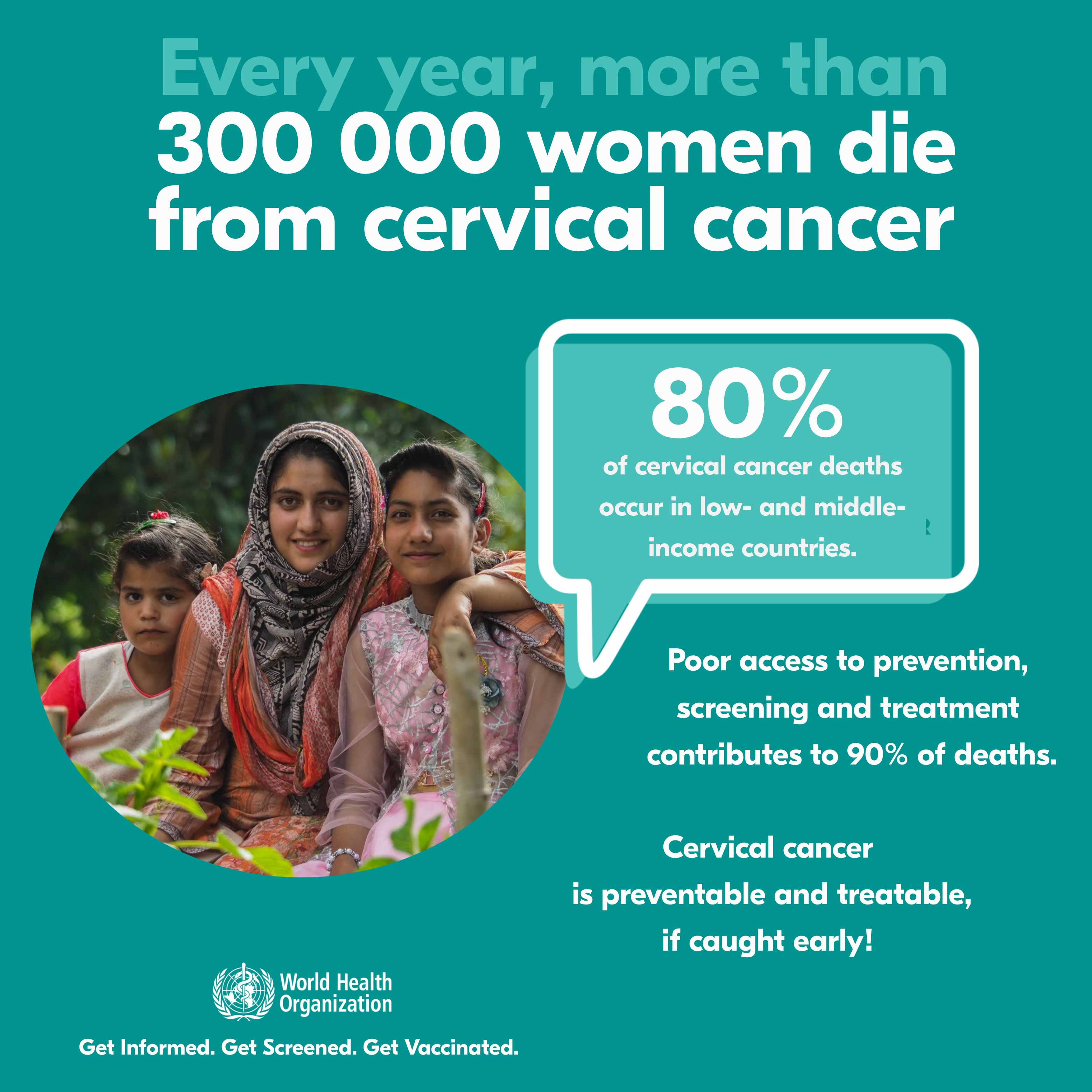
According to the World Health Organization, nearly all cases of cervical cancer are linked to HPV, a sexually transmitted virus. The European Centre for Disease Prevention and Control identifies HPV as the most common sexually transmitted virus and emphasizes that vaccination remains the primary method for preventing the disease. Medical literature does not list screening or diagnostic procedures as risk factors for cervical cancer, per Cancer Research UK.

The NHS clarifies that a Pap smear is not a cancer test itself, but a preventative screening tool designed to detect abnormal cellular changes. While the procedure, which involves collecting a small sample of cells with a spatula, may cause temporary discomfort, health experts state it does not damage the cervix.
The New South Wales Health Care Complaints Commission (HCCC) investigated Barbara O’Neill in 2019 and subsequently banned her from providing health services. The commission determined she lacked the necessary qualifications to offer medical advice and had misled vulnerable individuals by discouraging conventional treatments.
Evaluation of alternative health claims
Claims suggesting that multiple sexual partners, dietary habits, or hormonal imbalances are the primary drivers of cervical cancer are not supported by clinical evidence. While the U.S. National Cancer Institute notes that having multiple sexual partners increases the risk of HPV exposure, it does not attribute this to the alleged immunosuppressive properties of sperm, as suggested by some non-medical sources.
Furthermore, Cancer Research UK does not identify a high-carbohydrate diet as a risk factor for cervical cancer. While the NHS acknowledges that long-term use of oral hormonal contraceptives may slightly increase risk, the primary documented factors remain persistent HPV infection, smoking, and the absence of regular screening.
The danger in these misinformation campaigns lies in the erosion of trust in preventative medicine. By framing life-saving screenings as harmful, such narratives could discourage patients from seeking early detection, potentially leading to higher rates of late-stage diagnosis where treatment options are significantly more limited.
What happens next
Public health agencies are likely to continue emphasizing the efficacy of HPV vaccination and routine screenings to combat misinformation. As medical organizations maintain their focus on evidence-based protocols, it is expected that they will continue to release updated guidance to counter non-scientific theories that could influence patient behavior. Patients concerned about their health may consult with licensed medical professionals to distinguish between verified risk factors and unsubstantiated claims.
Frequently Asked Questions
What is the primary cause of cervical cancer?
According to the World Health Organization, almost all cases of cervical cancer are caused by infection with the human papillomavirus (HPV).
Do Pap smears and biopsies cause cervical cancer?
No. According to the NHS and Cancer Research UK, these procedures are diagnostic and preventative tools used to identify abnormal cells and do not cause cancer.
Are there any links between diet and cervical cancer?
There is no medical evidence identifying a high-carbohydrate diet as a risk factor for cervical cancer, according to Cancer Research UK.
How can patients better verify the health information they encounter on social media platforms?