
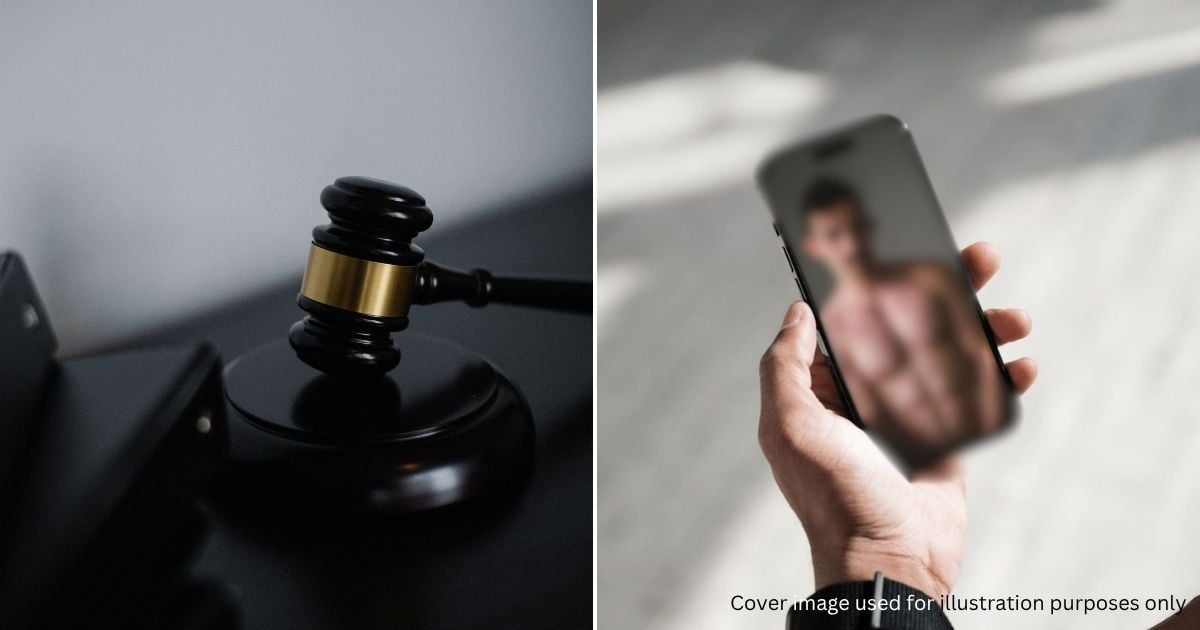
Factory Worker Fined RM2,800 For Leaking Ex-Husband’s Sex Video
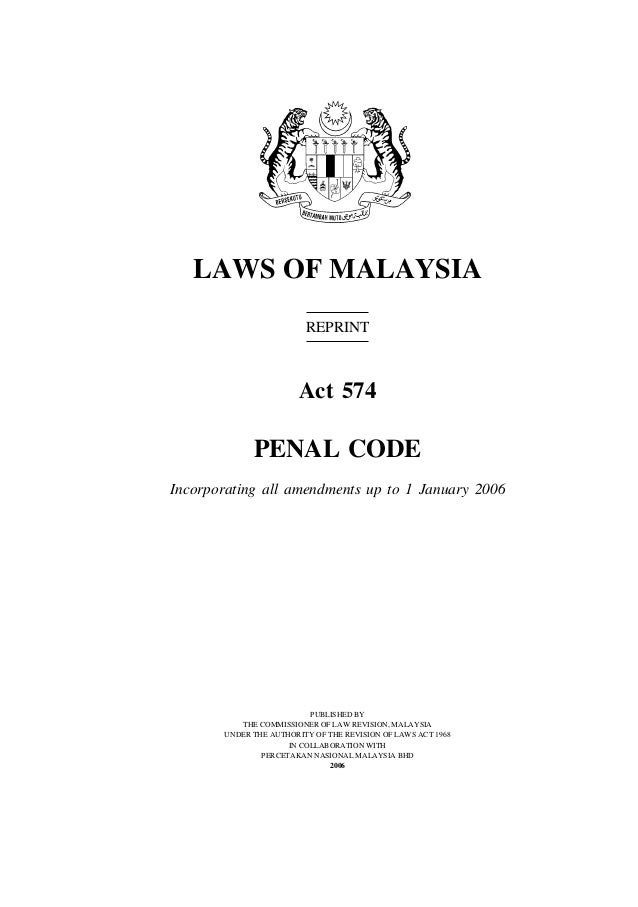
A 25-year-old factory worker was fined RM2,800 by the Ayer Keroh Magistrate’s Court for distributing an obscene video of her ex-husband and another woman. According to the New Straits Times, the case highlights the legal consequences of sharing non-consensual intimate imagery (NCII) under Section 292 of the Malaysian Penal Code.
Why are courts increasing penalties for non-consensual image sharing?
Judiciaries are shifting focus toward the “irreversible reputational damage” caused by digital harassment. In the recent Ayer Keroh case, Deputy Public Prosecutor Siti Nur Alia Safri argued that distributing explicit material is a severe violation of personal dignity and mental well-being.

While the accused in this instance received a fine, Section 292 of the Penal Code allows for up to three years in prison. The gap between a fine and a prison sentence often depends on mitigating factors. For example, the court granted leniency to the factory worker after she cited emotional distress from a miscarriage and her role as a primary caregiver for aging parents.
How do authorities track the distribution of private videos?
Digital forensics have made it nearly impossible to share private content anonymously. In this case, police traced the explicit video back to a mobile phone number registered directly in the accused’s name.
Investigators use “digital transmission tracking” to identify the origin of a file. Once a complainant files a report, authorities can coordinate with telecommunications providers to link specific IP addresses or SIM cards to registered users. Forensic analysis of devices, such as the iPhone 12 Pro Max used in this case, allows police to prove that the content was intentionally distributed to multiple family members.
What legal protections exist against digital harassment?
Victims of NCII often rely on penal codes and communications acts to seek justice. In the reported case, the victim established that the footage was captured without her knowledge, awareness, or legal consent, which strengthened the criminal charge against the distributor.
Legal trends show a move toward treating “revenge porn” not just as an obscenity crime, but as a violation of privacy. The prosecution’s emphasis on the “identifiable individual” in the video suggests that the law is increasingly prioritizing the victim’s right to privacy over the distributor’s claims of emotional distress.
How is the “emotional distress” defense viewed in court?
Courts balance the gravity of the crime against the mental state of the offender. The accused factory worker pleaded for a lighter penalty by explaining she acted impulsively during a period of severe emotional distress.

However, the legal precedent remains clear: emotional instability does not legalize the distribution of non-consensual imagery. While it may reduce a sentence from jail time to a fine, it does not absolve the perpetrator of the crime. The court’s decision to impose an RM2,800 fine serves as both a punishment and a deterrent.
FAQ: Non-Consensual Intimate Imagery (NCII) Laws
What is the maximum penalty for distributing obscene videos in Malaysia?
Under Section 292 of the Penal Code, offenders can face up to three years in prison, a fine, or both.
Can a person be charged if they didn’t record the video?
Yes. The law covers both the possession and the distribution of the material, regardless of who originally captured the footage.
Does the court consider the motive behind the leak?
Motives, such as revenge or emotional distress, are typically considered during the mitigation phase to determine the severity of the sentence, but they do not negate the offence.
How is the “consent” aspect proven in court?
Consent is established through victim testimony and forensic evidence showing the recording was made without the subject’s knowledge or awareness.
What should I do if my private images are shared?
Immediately file a police report and contact the platform (e.g., WhatsApp, Instagram) to request a takedown of the content based on their privacy policies.
Do you think current fines are enough to deter digital harassment? Share your thoughts in the comments below or subscribe to our newsletter for more updates on digital law and privacy rights.