

Fascinating Science Curiosities: Nature, Space, and Biology
The intersection of genetic engineering, astrophysics, and neurobiology is redefining our understanding of life. From CRISPR-edited livestock resisting deadly viruses to the use of bio-acoustics in AI, science is moving toward a future where we don’t just observe nature—we optimize it for survival and health.
How will CRISPR redefine the future of livestock and food security?
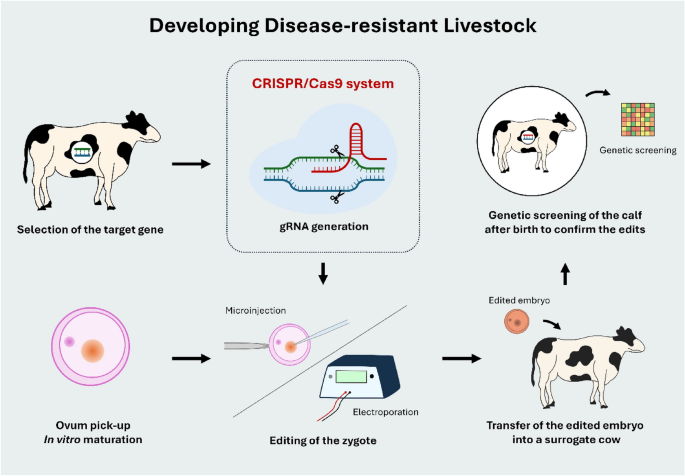
Genetic editing is shifting from a laboratory curiosity to a tool for global food stability. Prof. Jaroslav Petr has highlighted how shortening a specific gene can make pigs resistant to respiratory and reproductive syndromes. This isn’t just about saving individual animals; it’s about removing the need for mass antibiotics in farming.
The trend is moving toward “Precision Breeding.” Instead of crossing breeds over decades, scientists can now “snip” out the vulnerability to a virus. If this scales, we’ll see a drastic reduction in zoonotic diseases—those that jump from animals to humans—potentially preventing the next pandemic before it starts.
However, the hurdle isn’t the science; it’s the regulation. While the US FDA has cleared some gene-edited animals, the EU remains cautious. The future of your dinner plate depends on whether regulators view CRISPR as a “mutation” or simply a faster version of traditional breeding.
Can we decode the hidden language of nature using AI?
Nature is full of acoustic tricks. As noted by zoologist Jan Andreska, a bird, an amphibian, and an insect can produce nearly identical sounds, fooling even the experts. This biological mimicry is now the blueprint for a new field: AI-driven bio-acoustics.
Researchers are now training machine learning models to distinguish these “záludné hlasy” (deceptive voices) to monitor biodiversity in real-time. By placing microphones in rainforests, AI can track species populations without a single human entering the brush. If an AI can tell the difference between a mimic and the original, it can alert conservationists to the disappearance of a species long before a human observer notices.
What happens when we map the newborn brain’s response to sound?
The emotional response to music starts way before we can speak. Dr. František Koukolík’s research shows that newborns react to the “mood” of music—happy tunes can induce sleep, while sad ones bring a specific kind of calm. This suggests that the brain’s auditory processing is hardwired for emotion from birth.
The future trend here is “Neuromusicology” in neonatal care. We’re moving toward personalized sonic environments in NICUs to reduce stress in premature infants. By tailoring frequencies to a baby’s heart rate, doctors can potentially accelerate neurological development and reduce the trauma of hospital stays.
Could “stomach-proof” bacteria revolutionize how we take medicine?
Most organisms are dissolved by stomach acid in minutes. Yet, some bacteria and parasites have evolved to survive this caustic environment. The “Mysterious Guest” in the human gut isn’t just a pathogen; it’s a delivery vehicle.

Pharmaceutical trends are shifting toward “Bio-hybrid Delivery.” Instead of coating a pill in plastic or chemicals, scientists are looking at how these hardy bacteria survive. The goal? Engineering “probiotic couriers” that can carry a drug through the stomach safely and release it only when they reach a specific target in the intestines.
This would eliminate the “shotgun approach” of oral medication, where much of the drug is wasted or destroys healthy gut flora. It’s a shift from general medicine to site-specific biological engineering.
Why does the search for alien atmospheres start with 18th-century observations?
When Mikhail Lomonosov spotted the “swelling” of light around Venus in 1761, he proved that planets could have atmospheres without ever leaving Earth. This logic is the foundation of modern exoplanet research. Today, we don’t look for the planet itself—we look for the “swelling” of light as a star’s rays pass through a distant planet’s air.
As astrophysicist Prof. Petr Kulhánek suggests, our understanding of time and space is the lens through which we see these events. The next trend is “Atmospheric Fingerprinting.” By analyzing the chemical composition of these atmospheres, we aren’t just looking for oxygen, but for “technosignatures”—industrial pollutants that would prove a civilization exists elsewhere.
Frequently Asked Questions
Is gene-edited meat safe to eat?
According to the FDA and various global health bodies, gene-edited animals (like the pigs mentioned by Prof. Petr) are generally considered as safe as traditionally bred animals, as no “foreign” DNA is added.
Can music really change a baby’s heart rate?
Yes. Research by experts like Dr. Koukolík indicates that frequency and rhythm directly influence the autonomic nervous system in newborns, affecting heart rate and sucking patterns.
How do we know if a planet has an atmosphere?
Scientists use spectroscopy to see which colors of light are absorbed by the planet’s atmosphere as it passes in front of its star, a method evolved from Lomonosov’s original transit observations.
Want to stay ahead of the curve in science and tech?
Join our newsletter for weekly deep dives into the discoveries shaping our future, or leave a comment below: Which of these trends do you think will impact your life first?