

FBI and Google Dismantle Massive AI-Powered Phishing Operation
The FBI, Google, and Black Lotus Labs dismantled Outsider Enterprise, a Chinese phishing-as-a-service operation that stole 3.8 million credit card records and caused an estimated $1.9 billion in losses. The network used AI-driven phishing kits and fraudulent SMS campaigns to target Android users via U.S. carriers including AT&T, T-Mobile, and Verizon.
How is Phishing-as-a-Service (PhaaS) changing cybercrime?
Cybercrime is shifting toward a commoditized “service” model where sophisticated infrastructure is rented to lower-level criminals. Outsider Enterprise operated as a PhaaS provider, distributing “phishing kits” that allowed users to launch fake text campaigns impersonating trusted brands. This model removes the need for an attacker to have technical coding skills.
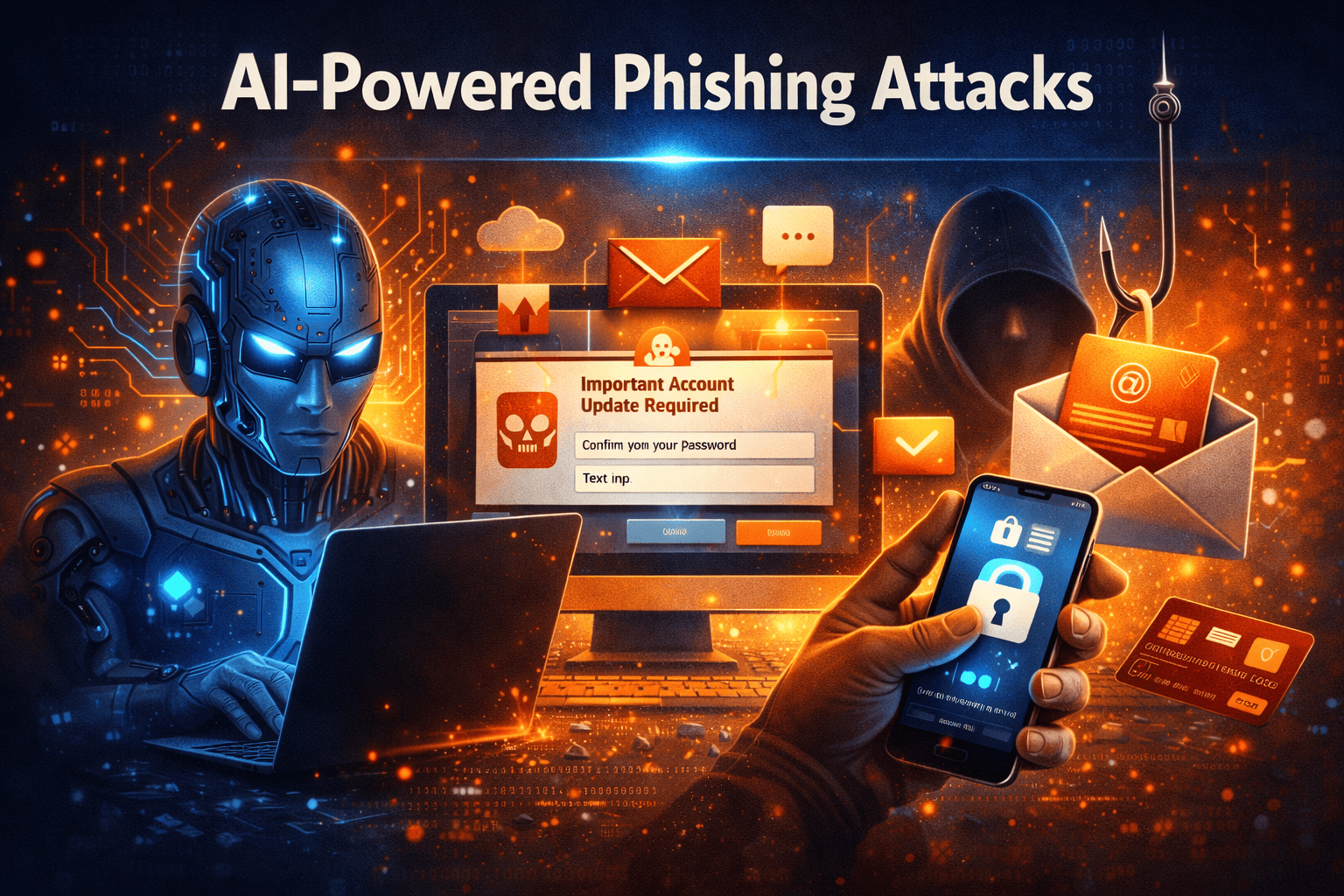
The scale of these operations is now industrial. Google linked Outsider Enterprise to 9,000 fake websites and more than one million fraudulent URLs. By providing the tools as a service, the operators can scale attacks across different languages and regions simultaneously, significantly increasing the volume of stolen data.
Why does AI-driven phishing pose a higher risk to mobile users?
AI allows attackers to generate highly convincing content at a speed and volume previously impossible. Outsider Enterprise used AI-assisted operations to impact hundreds of thousands of users worldwide, making fraudulent messages harder for the average person to distinguish from legitimate brand communications.
Mobile users are particularly vulnerable because SMS (smishing) often bypasses the traditional email filters that have protected desktops for decades. Google reports that its AI-powered defenses now block more than 10 billion malicious messages every month to counter this trend, highlighting an ongoing “arms race” between AI-generated scams and AI-powered security.
The role of “Smishing” in modern fraud
Smishing, or SMS phishing, leverages the inherent trust users place in their mobile devices. In the case of Outsider Enterprise, the operation utilized major carriers like Verizon and T-Mobile to deliver these messages, which often bypasses basic spam filters by mimicking official notification channels.
What happens when authorities target infrastructure instead of individual sites?
Law enforcement is moving away from “whack-a-mole” tactics—blocking single URLs—toward systemic infrastructure takedowns. This is the core of the FBI’s “Operation Riptide,” which targets the servers and payment systems that power cybercrime networks.
In the takedown of Outsider Enterprise, the FBI didn’t just block websites; they seized administration servers, a Shopify e-commerce storefront used for business operations, and approximately $100,000 in USDT from payment wallets. This approach disrupts the financial incentive and the operational capacity of the threat actor.
Will the Stop SCAMS Act effectively curb AI-enabled fraud?
Google is currently advocating for the Stop SCAMS Act and six other bipartisan bills to create a more coordinated legal framework against AI fraud. The Stop SCAMS Act would mandate that the FBI lead a national anti-scam strategy, unifying federal agencies and private companies to track and disrupt fraud in real-time.
Current efforts are often fragmented. While Google has filed a civil lawsuit against Outsider Enterprise, the proposed legislation aims to move from reactive lawsuits to a proactive, national defense strategy. This would allow for faster communication between telecom providers and law enforcement to block fraudulent messages before they reach subscribers.
Comparison of Response Strategies
| Traditional Response | Infrastructure-Led Response (Operation Riptide) |
|---|---|
| Blocking individual phishing URLs. | Seizing admin servers and payment wallets. |
| Reporting scams after the loss. | Coordinating with carriers to block messages pre-delivery. |
| Isolated corporate security updates. | Unified national strategy via legislation (Stop SCAMS Act). |
Frequently Asked Questions
What is Phishing-as-a-Service (PhaaS)?
PhaaS is a business model where cybercriminals sell or rent phishing kits and infrastructure to other attackers, allowing them to launch scams without needing technical expertise.

How much money was lost to Outsider Enterprise?
Authorities estimate the operation caused approximately $1.9 billion in losses and stole 3.8 million credit card records.
How can I tell if a text is a phishing attempt?
Be wary of urgent language, requests for passwords or credit card info, and links that don’t match the official brand domain. Use AI-powered security features built into modern Android and iOS devices.
Want to stay ahead of the latest cyber threats? Share your experience with smishing in the comments below or subscribe to our newsletter for weekly security briefings and actionable protection tips.