
FBI Warns of Kali365 Phishing Platform Bypassing Microsoft 365 MFA
The Evolution of Identity Hijacking: Why MFA is No Longer a Silver Bullet
For years, IT professionals have preached the gospel of Multi-Factor Authentication (MFA). It was the ultimate shield against password theft. However, as the cybersecurity landscape shifts, we are witnessing a dangerous transition: attackers are no longer trying to “crack” your password—they are hijacking your active session.

The rise of Phishing-as-a-Service (PhaaS) platforms like Kali365, EvilTokens, and Tycoon2FA marks a turning point. By abusing legitimate OAuth device code flows, these threat actors bypass the need for passwords or MFA codes entirely, turning the user’s own authentication process against them.
The “Convenience Trap”: How OAuth is Being Weaponized
Microsoft’s OAuth 2.0 Device Authorization grant was designed to solve a simple problem: how do you log in on a device without a keyboard, like a smart TV or a conference room printer? You generate a short code, visit microsoft.com/devicelogin, and approve the request.
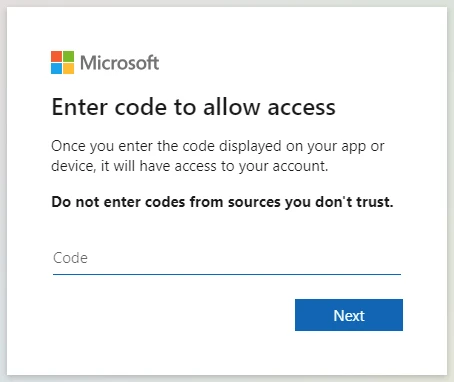
Attackers are now exploiting this “convenience feature” through social engineering. By tricking a user into entering a code generated by the attacker, the victim unknowingly grants the attacker a session token. Once that token is captured, the attacker has full access to the user’s Microsoft 365 environment, Salesforce, and other linked SaaS apps, effectively bypassing every security gate the organization has put in place.
Future Trends: Where Phishing Goes From Here
As security teams harden their defenses, phishing platforms are becoming more sophisticated. We expect three major trends to dominate the next 18 months:
- AI-Driven Social Engineering: Expect to see more personalized, AI-generated lures that mimic internal company communications with perfect grammar and tone, making it harder for employees to spot the deception.
- Automated Session Hijacking: Platforms like Kali365 are already integrating “Cookie Link” modes. Future iterations will likely automate the injection of these cookies into attacker-controlled browsers, allowing for instant, “hands-off” access to corporate data.
- Expansion Beyond Microsoft: While Microsoft 365 is the current primary target due to its ubiquity, expect these PhaaS platforms to expand their reach to Google Workspace, AWS, and specialized financial platforms.
Defensive Strategies: Hardening Your Environment
Blocking individual phishing sites is a losing game. To win, you must change how your architecture handles authentication. The FBI and cybersecurity experts recommend the following:

- Implement Strict Conditional Access: Use Conditional Access policies to restrict who can use device code flows. If your workforce doesn’t use smart TVs or IoT devices, disable this feature at the tenant level.
- Audit Session Transfers: Ensure your security posture prevents authentication sessions from being transferred between devices.
- Monitor for Anomalous Logins: Look for “impossible travel” scenarios or logins from unrecognized device types that have suddenly gained access to sensitive data.
Frequently Asked Questions
- Q: Does MFA protect me from device code phishing?
- A: Not entirely. Because the attacker tricks you into authorizing the session yourself, you are essentially “passing” the MFA challenge for them. You are granting them the access token.
- Q: How can I tell if my account has been compromised?
- A: Check your account’s sign-in logs for unfamiliar devices or applications. Also, look for “hidden” inbox rules in your email—attackers often create these to hide notifications of their activity.
- Q: What is “Cookie Link” or AitM?
- A: Adversary-in-the-Middle (AitM) is an attack where the hacker acts as a proxy between you and the real website, capturing your session cookies in real-time as you log in.
Are you confident your current security stack can detect a session-token theft? Join the conversation in the comments below, or subscribe to our weekly intelligence briefing to stay ahead of the next wave of cyber threats.