

FDA Approves HepQuant Liver Diagnostic Test for Compensated Cirrhosis
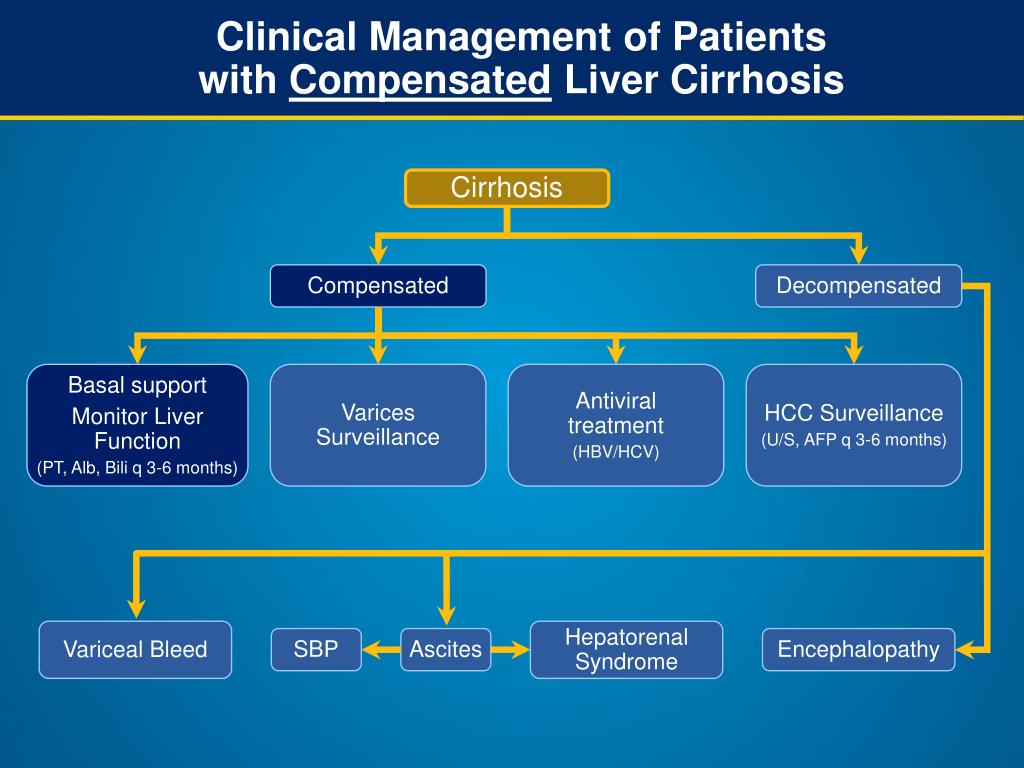
The FDA has granted premarket approval to HepQuant’s liver diagnostic test for the treatment of adults with Child-Pugh Class A compensated cirrhosis, according to a company press release. The SHUNT Liver Diagnostic Test uses a Disease Severity Index (DSI) score to help clinicians determine which patients may forego esophagogastroduodenoscopy during routine screening and surveillance.
How does the SHUNT liver diagnostic test work?
The test identifies patients age 22 or older with compensated cirrhosis who are unlikely to have large esophageal varices. This is determined by a Disease Severity Index (DSI) score falling under a clinically validated threshold of 18.3, officials noted in the release.
Gregory T. Everson, MD, CEO of HepQuant, stated in the press release that the FDA PMA approval pathway requires extensive evidence. He noted the diagnostic must perform accurately and consistently while providing “clinically actionable information.”
What evidence led to the FDA approval?
The FDA based its decision on data from the SHUNT-V Study for Varices, a prospective, multicenter trial. The study included 195 adults with a mean age of 62, of whom 49% were male.
The study population featured significant comorbidities. According to the release, 52% of participants had diabetes and 48% had metabolic dysfunction-associated steatohepatitis.
The trial confirmed validation criteria with 100% sensitivity and 100% negative predictive value for large esophageal varices.
What could this mean for cirrhosis screening?
The availability of this diagnostic may change how routine surveillance is managed for adults with Child-Pugh Class A compensated cirrhosis. Patients with a DSI score below 18.3 might avoid the need for esophagogastroduodenoscopy.
A possible next step for providers is the integration of DSI scoring into standard liver disease protocols. This could lead to a more stratified approach to screening based on the validated DSI threshold.
Frequently Asked Questions
Who is eligible for the HepQuant liver diagnostic test?
The test is approved for adults age 22 or older with Child-Pugh Class A compensated cirrhosis.
What DSI score indicates a lower likelihood of large esophageal varices?
A Disease Severity Index (DSI) score under the clinically validated threshold of 18.3.
What were the results of the SHUNT-V Study?
The study met validation criteria with 100% sensitivity and 100% negative predictive value for large esophageal varices.
How might the reduction of invasive screenings impact the long-term management of liver disease?