
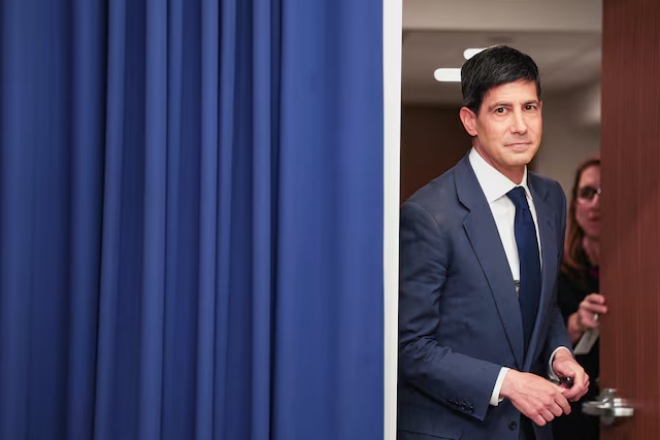
Fed Chair Kevin Warsh to Review $6.7 Trillion Balance Sheet
Federal Reserve Chair Kevin Warsh is establishing an independent task force to review the central bank’s $6.7 trillion balance sheet, according to Bloomberg. The group will examine the “ample reserves” framework and the balance sheet’s composition, with most of the work expected to conclude by the end of the year.
Why is the Federal Reserve reviewing its balance sheet?
Chair Kevin Warsh has long criticized the scale of the Federal Reserve’s intervention in financial markets. The balance sheet grew from $800 billion two decades ago to a peak of $8.9 trillion in June 2022, following large-scale asset purchases during the global financial crisis and the COVID-19 pandemic.
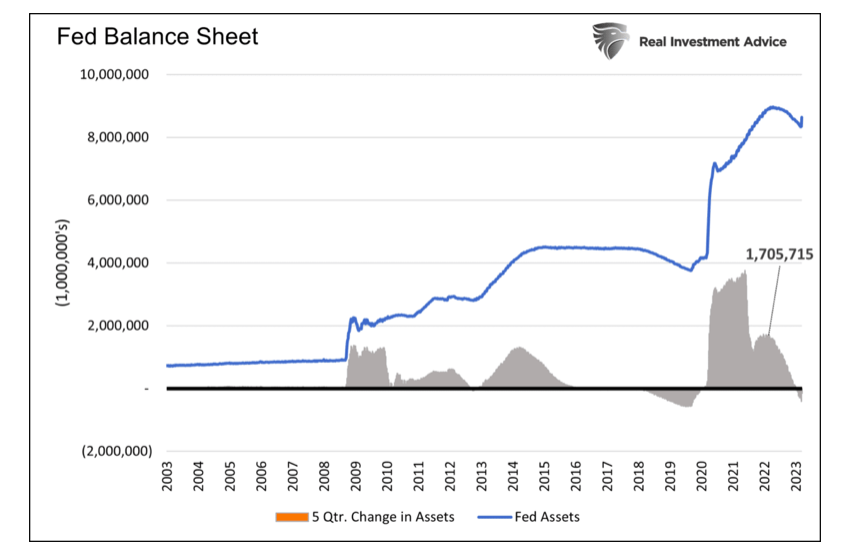
The new task force will begin operations within a few weeks. According to Warsh, the group will evaluate the advantages and disadvantages of the current “ample reserves” system. The review will also determine whether the effects of monetary policy are driven by interest rate tools or balance sheet mechanisms.
How have asset purchases and quantitative tightening changed?
The Federal Reserve abruptly stopped quantitative tightening—the process of reducing assets to absorb liquidity—late last year. It shifted toward purchasing Treasury bills with maturities of less than one year to supply reserves back into the financial system.
Starting December 12, the Fed bought approximately $40 billion in short-term Treasuries monthly. According to former Chair Jerome Powell, these purchases were accelerated to ensure sufficient reserves through the April tax season. Purchases later dropped to $25 billion in April and $10 billion in May, June, and July, totaling over $284 billion.
The Federal Open Market Committee (FOMC) recently adjusted its policy language. The New York Fed’s open market desk is now authorized to increase short-term Treasury purchases “when appropriate.” Stephen Zheng, a strategist at Deutsche Bank, stated this conditional expansion is a “strong signal” of a change in the Fed’s perception.
What happens next with interest rates?
The FOMC recently held the benchmark interest rate steady within a range of 3.50% to 3.75%. However, internal projections reveal a divide among Fed members regarding future moves.

Nine members expect at least one 0.25% rate increase this year, with six of those members forecasting at least two hikes. Another nine members anticipate either a rate freeze or a decrease. Jenadi Goldberg, head of U.S. rate strategy at TD Securities, suggests Warsh is using his new role to address “big questions” while maintaining a hawkish signal to control inflation.
Analysts expect that the Fed may opt for gradual adjustments rather than abrupt changes. Future volatility in the bond and short-term funding markets could depend on the target size of the balance sheet and whether the Fed maintains the ample reserves framework.
Frequently Asked Questions
What is the purpose of the new Fed task force?
The task force will review the operation of the $6.7 trillion balance sheet and the “ample reserves” system to determine the effectiveness of monetary policy tools.
What is the current US benchmark interest rate?
The Federal Reserve has frozen the benchmark interest rate in the range of 3.50% to 3.75%.
How much has the Fed spent on short-term Treasuries recently?
Since December 12, the Federal Reserve has purchased more than $284 billion in short-term Treasury bills.
How do you think a smaller Federal Reserve balance sheet would impact the broader economy?