
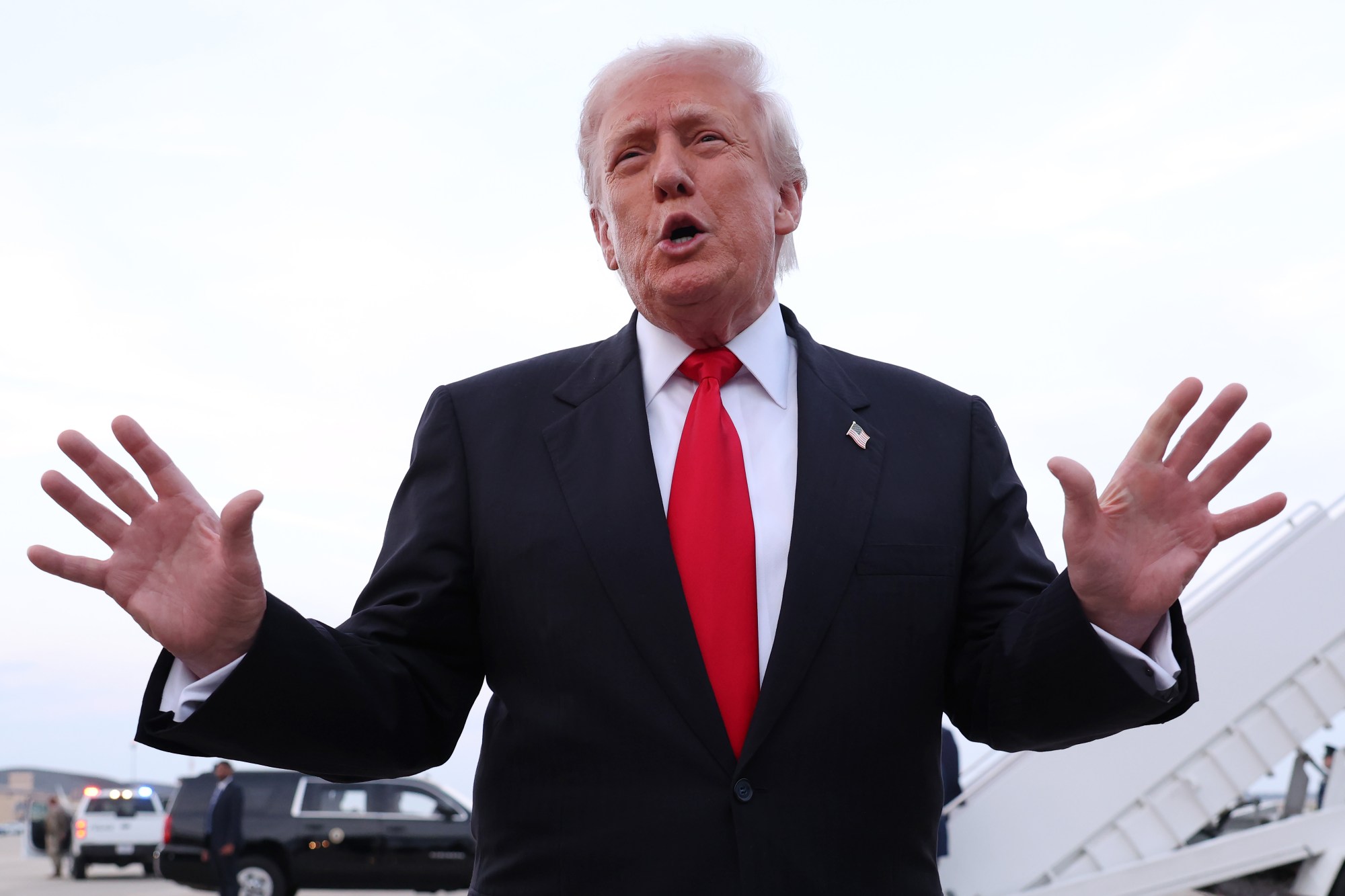
Federal Judge Orders Trump Administration to Restore Removed National Park Exhibits
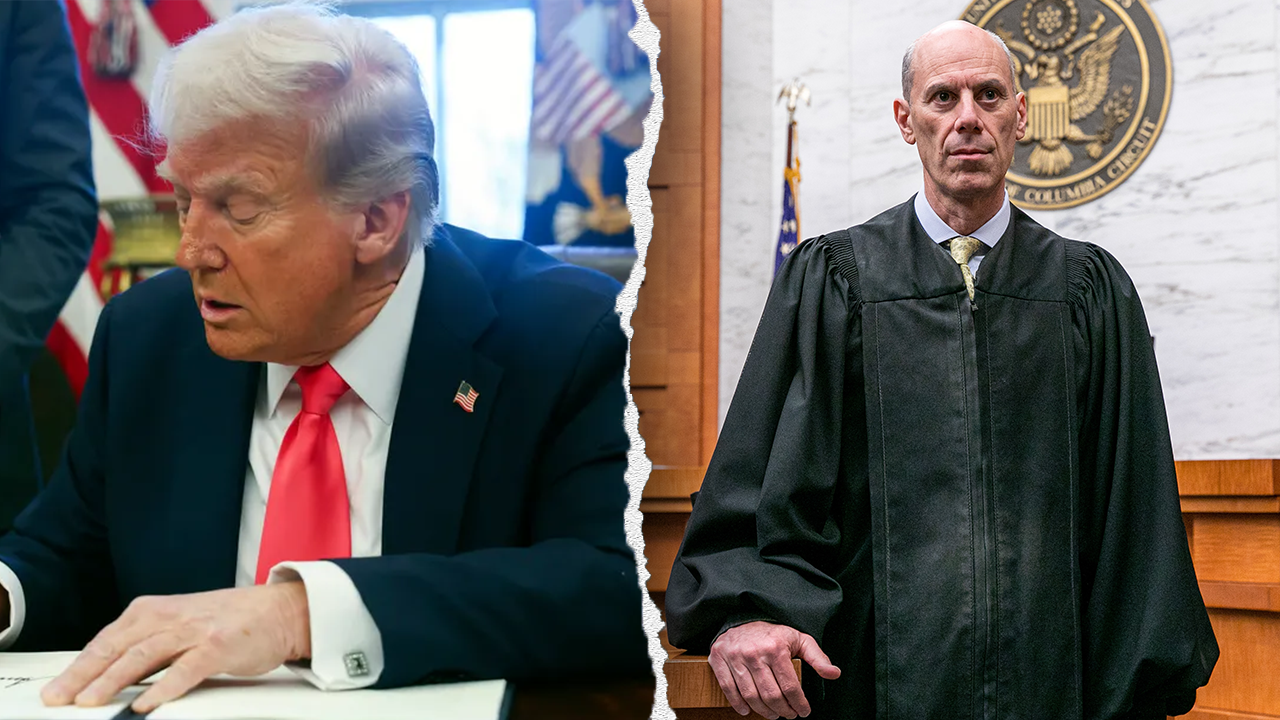
A federal judge ordered the Trump administration on Friday, June 12, to restore national park exhibits covering slavery, climate change, and LGBTQ+ history. Judge Angel Kelley of the U.S. District Court for the District of Massachusetts ruled that the removal of these materials constituted censorship, granting a reprieve to a coalition of conservation and historical groups.
Which exhibits were removed from national parks?
The Trump administration and Interior Secretary Doug Burgum issued an executive order to purge language that allegedly cast the U.S. in a “negative light.” This directive forced park staff to censor or remove factually accurate scientific and historical knowledge.
Officials flagged 80 items at Alabama’s Selma trail. Other removals included a Pride flag at the Stonewall National Monument in New York City and a climate change sign at Fort Sumter in South Carolina.
The Park Service also removed explanatory panels from Independence National Historical Park regarding George and Martha Washington’s nine slaves. At the Brown v. Board of Education National Historical Park in Kansas, a permanent exhibit was taken down because it mentioned “equity.”
At Grand Canyon National Park, the administration removed signage stating that settlers exploited the landscape and pushed Native American tribes “off their land.” The order also targeted the 1863 photograph “The Scourged Back,” which depicts the scarred back of Peter Gordon, an enslaved man who escaped from Louisiana.
Why did the judge order the restoration of these displays?
Judge Kelley argued that the administration’s actions presented a selective version of history. According to the ruling, the administration used the goal of promoting “American dignity” as a guise to share a limited history.
The judge stated that by removing exhibits that did not align with a preferred narrative, the administration was “telling half-truths.” The ruling provides a legal victory for the plaintiffs, which include the National Parks Conservation Assn., the American Assn. for State and Local History, the Assn. of National Park Rangers, and the Union of Concerned Scientists.
What happens next in the legal dispute?
The Park Service must restore any dismantled or altered exhibits within three weeks, according to the court order.
The administration may appeal the decision. Interior Department spokeswoman Katie Martin called Judge Kelley a “liberal activist judge” and stated the department will explore appeal options.
Ms. Martin noted the department’s focus this weekend is celebrating “U.F.C. Freedom 250” on the South Lawn of the White House to honor the nation’s 250th anniversary and President Donald J. Trump.
Frequently Asked Questions
Who were the plaintiffs in the lawsuit?
The lawsuit was brought by a coalition including the National Parks Conservation Assn., American Assn. for State and Local History, Assn. of National Park Rangers, and Union of Concerned Scientists.
What specific photograph was removed from the parks?
The administration ordered the removal of “The Scourged Back,” a famous 1863 photograph showing the severely scarred back of Peter Gordon, an escaped enslaved man.
What was the reason for removing the exhibit at Brown v. Board of Education National Historical Park?
The exhibit was removed because it contained the word “equity.”
Do you believe national parks should prioritize a unified national narrative or a comprehensive historical record?