

Federal Reserve policymakers show support for rate hikes as Warsh reins in guidance
The Federal Reserve maintained its key interest rate at approximately 3.6% on Wednesday, though nine of 18 policymakers now signal support for a rate hike later this year, according to the central bank’s quarterly projections. This shift marks a departure from March, when no officials forecasted a hike and the committee projected one rate cut in 2026.
Why did the Federal Reserve shift toward higher rates?
Officials are responding to inflation, which has reached a three-year high of 4.2%. This acceleration follows the start of the Iran war on Feb. 28, which drove up gas prices, according to Fed officials.
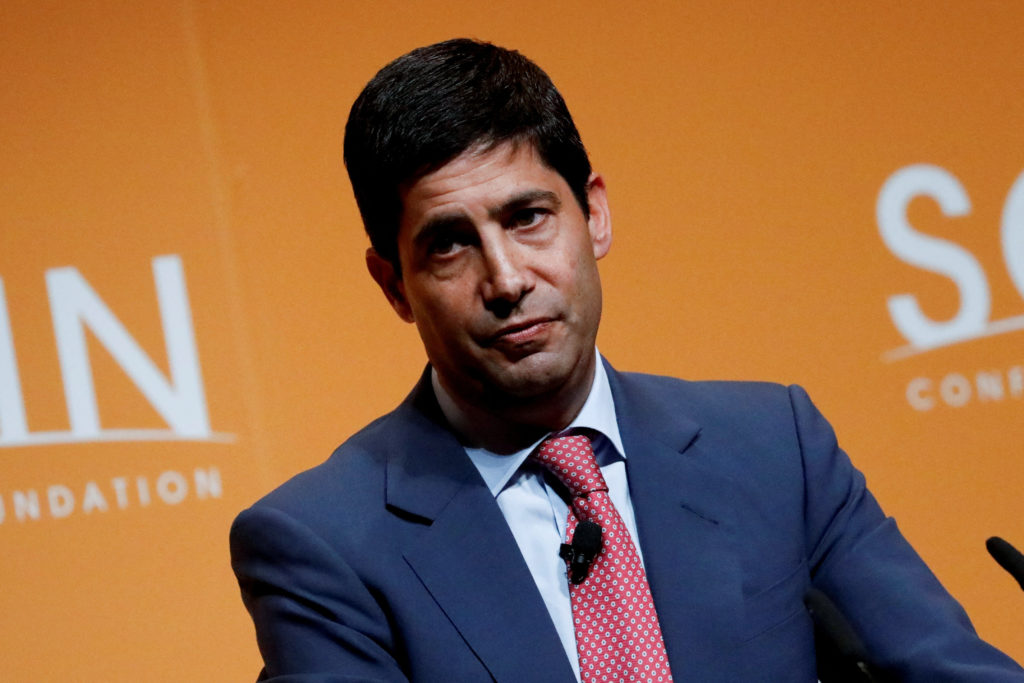
The central bank’s 2% inflation target has been exceeded for five years. While gas prices may decline if the Iran war is resolved, prices for child care, dental care, and clothing were rising before the conflict began.
Labor market strength has also removed the need for rate cuts. A government report showed employers added 172,000 jobs in May, marking the third consecutive month of solid gains.
How is new Chair Kevin Warsh changing the Fed?
In his first news conference as chair, Kevin Warsh emphasized a determination to reach the 2% inflation target. “We’ve missed (on inflation) for five years and we’re going to fix that,” Warsh said.
Warsh has already modified the Fed’s communication style. The central bank issued an unusually short statement on Wednesday and removed “forward guidance” and language suggesting the next move would be a rate cut.
The chair is also establishing five task forces. These groups will examine the Fed’s communication methods, the data sources used for policy decisions, and the frameworks used to evaluate inflation.
What happens next for the economy and markets?
Financial markets reacted immediately to the Fed’s signals. Stock prices fell sharply and bond yields rose following the statement and Warsh’s press conference.
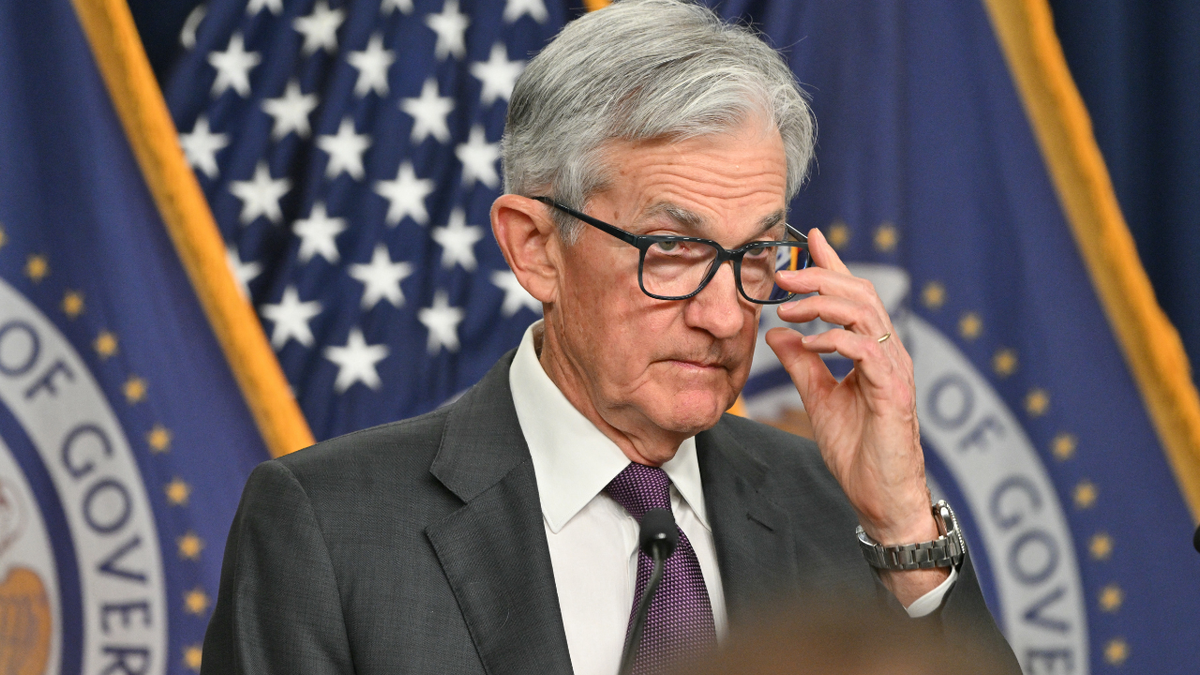
Matthew Luzzetti, chief U.S. economist at Deutsche Bank, stated that the risk of rate increases has “clearly risen.” Six policymakers specifically signaled support for two quarter-point increases this year.
Future policy may depend on the resolution of the Iran war. While President Trump announced an initial peace agreement, officials note it could take months for the costs of groceries, airline fares, and gas to cool.
Warsh may also face pressure regarding his previous views on AI. He once suggested AI could expand production and lower inflation, but analysts note that current investments in computing equipment and semiconductors are contributing to higher inflation in the short run.
Frequently Asked Questions
What is the current inflation rate and the Fed’s target?
Inflation is currently at a three-year high of 4.2%, while the Federal Reserve’s target is 2%.
How many policymakers support a rate hike this year?
Nine of the 18 policymakers on the rate-setting committee signaled support for higher rates, with six of them supporting two quarter-point increases.
Who voted to keep the rates unchanged?
The committee voted to keep rates at about 3.6%, a decision supported by former chair Jerome Powell, who remains on the governing board.
Do you believe the Federal Reserve should prioritize fighting inflation over maintaining low borrowing costs before the midterms?