

Ferrari Luce: Why Abandoning Brand Identity Is a Costly Mistake
On May 25, Ferrari officially entered the electric era with the unveiling of the Luce, its first fully electric vehicle. The liftback sedan, which represents five years of development, was designed by Jony Ive and features quad motors producing 1,113 horsepower.
While CEO Benedetto Vigna described the launch as a “very, very important day,” the financial markets responded with immediate skepticism. Ferrari shares fell sharply following the reveal, signaling a disconnect between the company’s vision and investor expectations.
A Departure from Brand Ethos
The backlash centered largely on the vehicle’s design and presentation. Priced at $640,000, the Luce features a gentle silhouette that critics argue lacks the aggression and suggestion of speed typical of the marque.
The aesthetic choices further fueled the controversy. Presented in light blue with a barely visible Prancing Horse, the car drew swift criticism on social media, where the consensus was that it “looks like a vacuum cleaner.”
One analyst went further, labeling the vehicle “the furthest deviation from the brand’s ethos we’ve ever seen.” This sentiment suggests that the market is reacting not to the electric powertrain, but to a perceived loss of brand identity.
The Risk of Innovation Without Heritage
The controversy highlights a critical tension in luxury branding: the balance between modernization and heritage. CEO Benedetto Vigna argued that the new technology required a design that “must be different.”

However, the market reaction suggests that when a brand enters new territory, it should lean harder into its distinctive assets. This approach has been successfully utilized by other luxury houses to maintain loyalty during pivots.
For example, when Hermès expanded into ready-to-wear, it weaponized its equestrian DNA through the use of jodhpurs, harnesses, and shows at the Garde Républicaine. Similarly, Apple maintained its minimalist design language and signature packaging when launching the Apple Watch in 2015.
Burberry followed a similar path in the digital space, integrating its iconic trench coat and Nova check into metaverse experiences and Minecraft rather than stripping away its history for the sake of innovation.
Parallels with Jaguar and Future Implications
Ferrari’s current struggle mirrors a 2024 move by Jaguar, which also announced an electric-first future while simultaneously discarding its traditional design language and logo. That transition resulted in widespread confusion and contempt, viewed more as a rebrand than a revitalization.
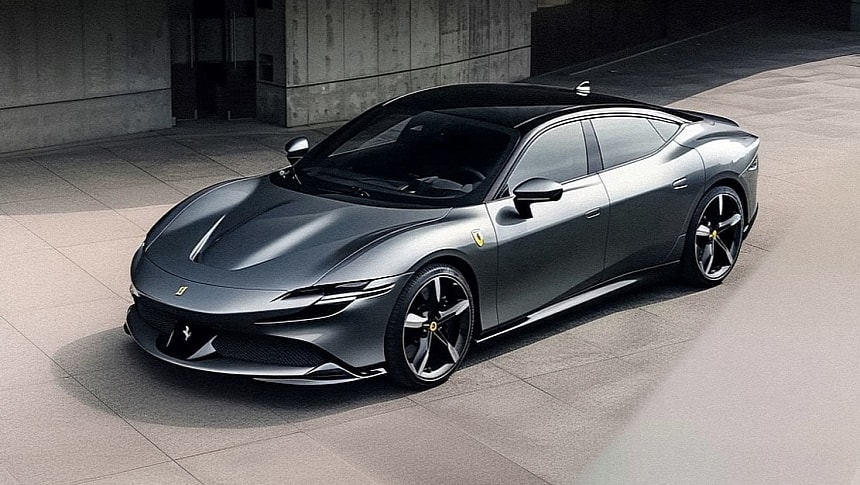
The Luce, as a five-seater liftback, represents a fundamental shift from the sports car identity that defines Maranello. By prioritizing a “fresh” look over traditional aggression, Ferrari may have inadvertently alienated its core audience.
Moving forward, Ferrari could face a period of brand volatility as it attempts to reconcile its electric future with its heritage. The company may need to re-evaluate its design trajectory to ensure future entries are unmistakably linked to the Prancing Horse.
A possible next step for the manufacturer could involve a pivot toward a more aggressive, sports-car-centric electric model to regain the confidence of traditionalists and investors alike.
Frequently Asked Questions
What are the technical specifications of the Ferrari Luce?
The Luce is a liftback sedan priced at $640,000. It is powered by quad motors producing 1,113 horsepower and was developed over a period of five years.
Why did investors react negatively to the Luce?
Shares fell sharply because the vehicle is seen as a significant deviation from Ferrari’s brand ethos, specifically regarding its gentle silhouette and lack of traditional Ferrari aggression.
How does the naming of the Luce differ from previous Ferrari models?
While previous models used names like F40, F430, and 812 Superfast to announce their presence, “Luce” (meaning light) is described as carrying the weight of poetry and philosophy, which contrasts with the brand’s usual aggressive naming conventions.
Do you believe luxury brands should completely reinvent their design language when switching to new technology, or should they stick to their traditional roots?