
Fetal Gastroschisis Surgery: Balancing Innovation and Medical Risk
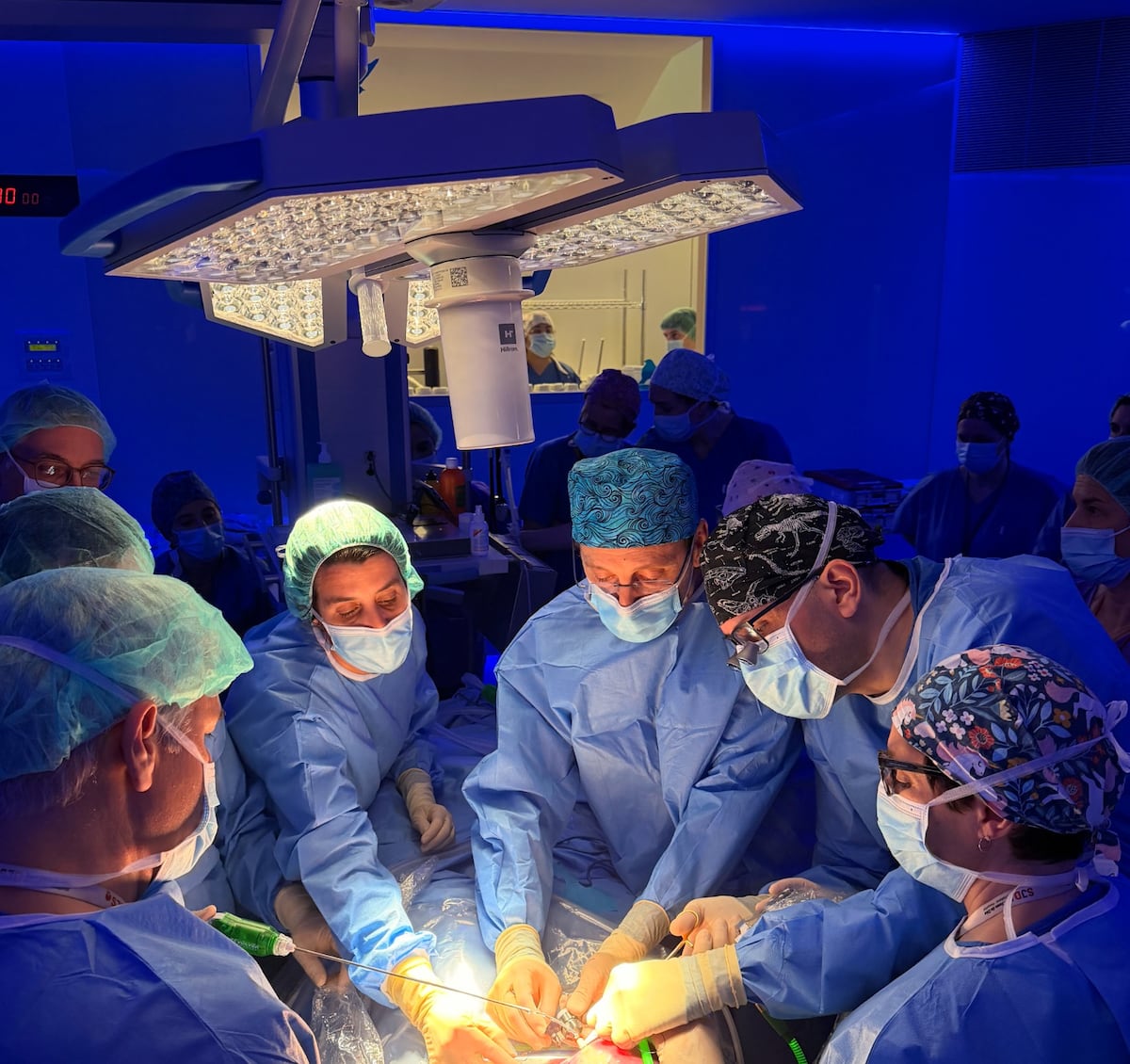
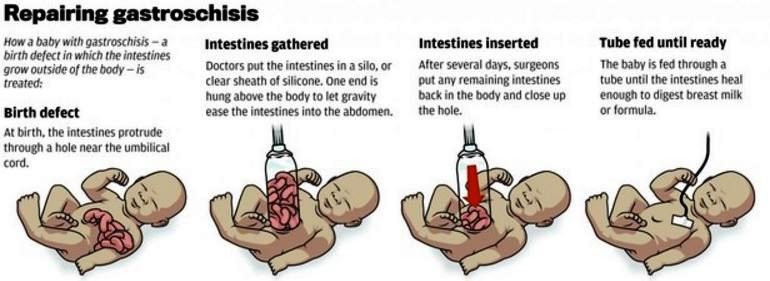
A recent, pioneering fetal surgery performed in Barcelona has ignited a significant medical conversation regarding the treatment of gastroschisis, a condition where an infant’s intestine develops outside the abdomen. While the procedure represents a remarkable technical achievement, it has also surfaced complex questions regarding the necessity and safety of intervening before birth.
The Dilemma of Prenatal Intervention
The primary promise of this surgery is that it could allow a child to bypass immediate postnatal operations and be held by their mother sooner. However, the procedure challenges two established foundations of fetal surgery. First, gastroschisis already has a highly effective standard treatment after birth, with survival rates exceeding 95% in favorable cases and roughly 85% in more complex ones.
medical experts, including Dr. José Luis Encinas, a pediatric surgeon at Hospital Universitario La Paz, note that current prenatal testing often cannot identify which fetuses will develop the specific complications this surgery aims to prevent. There is also no reliable way to rule out that damage has already occurred, which could potentially render an invasive prenatal procedure ineffective or late.
Did You Know?
In cases of gastroschisis, the majority of patients fall into the most favorable category, where standard postnatal treatment results in survival rates of over 95%.
Evidence and Risks
The second challenge concerns the current level of evidence supporting the technique. While some studies have evaluated the procedure’s effect on intestinal function, the volume of data remains limited compared to other fetal surgeries currently accepted as standard clinical practise.
The central risk of any fetal surgery is the potential for premature birth and its associated complications. Because of this, many in the medical community argue that it is vital to debate the balance between these risks and the promised benefits. Advancing medical boundaries is a necessary goal, but experts emphasize that a technique must demonstrate that it either improves upon existing outcomes or achieves the same results without introducing new risks before it can be considered a definitive advancement.
Expert Insight:
The transition from a technically possible procedure to a standard clinical practise requires rigorous validation. The current debate highlights the critical need to prove that prenatal intervention provides a clear advantage over established postnatal care, especially when the latter already offers high survival rates.
Looking Toward Future Developments
As the medical community continues to evaluate this approach, future progress may depend on ongoing research. A study currently underway in Texas is specifically designed to assess the safety of this intervention, though its progress is reported as both slow and demanding, likely reflecting the significance of the questions involved.
While some professionals in Colombia also have experience with this procedure, their results have not yet been published. In the coming years, it is expected that these data sets could provide the solid answers needed to determine whether this surgery will become a standard tool in pediatric medicine or remain a highly controversial, experimental endeavor.
Frequently Asked Questions
What is gastroschisis?
Gastroschisis is a condition in which an infant’s intestine develops outside the abdomen.
Why is the new surgical procedure considered controversial?
It is controversial because it challenges the necessity of prenatal intervention given the high survival rates of standard postnatal treatment and the limited volume of experimental data currently available to support the fetal approach.
What is the primary risk associated with this type of fetal surgery?
The primary risk is premature birth, which can lead to various additional medical complications for the infant.
How do you weigh the drive for medical innovation against the stability of proven, conventional treatments?