
FIFA World Cup 2026: Opening Day Highlights and France Team Updates
Adapting to the Heat: How the French Team is Preparing for the 2026 World Cup
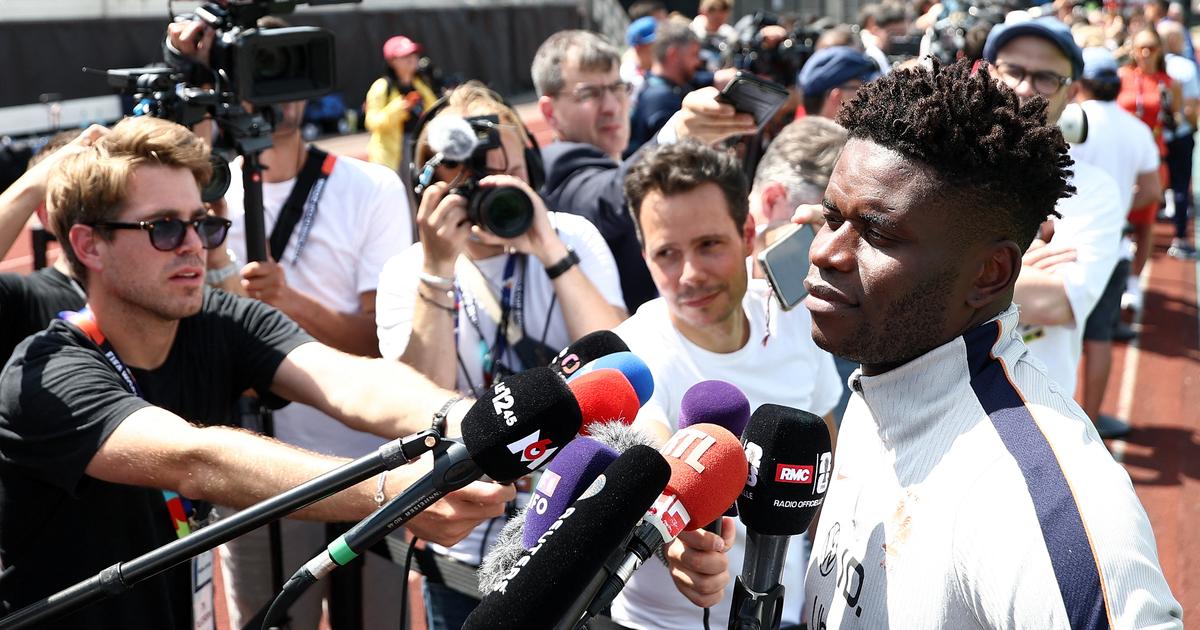
The French national team, known as the “Bleus,” faced their first challenge in the 2026 World Cup preparations with intense heat in Boston. On Thursday, the squad trained at the Bentley University campus under scorching temperatures, a test of their adaptability. Defender Maxence Lacroix admitted, “It’s necessary to acclimate, as the body needs to understand the changes.” Goalkeeper Brice Samba echoed this, stating, “We’re professionals; we’re the kings of adaptation.”
Player Reactions and Team Morale
Despite the heat, morale remained high. Lacroix expressed excitement about the tournament, noting, “It’s a dream to be here.” Samba highlighted the team’s readiness, saying, “We’ve already adapted in March, and we’ll adjust further.” The players also praised the hotel’s facilities, which included a gym and recreational spaces, ensuring they could focus on performance.
Coach Didier Deschamps emphasized the importance of preparation, stating, “The team is confident and ready to face any challenge.” The squad’s focus on recovery and hydration, as outlined in a pre-tournament meeting, underscores their strategic approach to the heat.
The Opening Match: Mexico vs. South Africa and Beyond
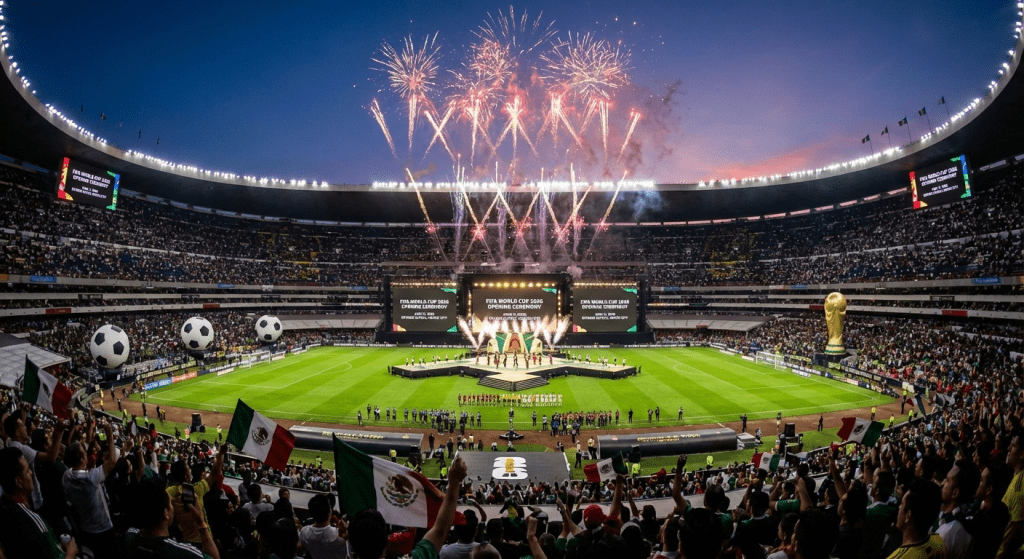
The 2026 World Cup kicked off with a high-stakes match between host nation Mexico and South Africa at the Azteca Stadium. The game, which saw Mexico take an early lead, drew massive crowds and intense fan energy. However, the event was marred by protests outside the stadium, where demonstrators demanded justice for missing persons linked to drug-related violence.
Security and Public Safety Concerns
Authorities faced challenges managing the influx of fans and protesters. A clash between demonstrators and police occurred near the Azteca, highlighting the complexities of hosting such a large-scale event. Despite this, the Mexican government assured that the fan zone in Zócalo Square would remain open, though organizers advised attendees to use alternative locations due to ongoing tensions.
President Claudia Sheinbaum acknowledged the difficulties, stating, “We will do our best to ensure the event proceeds smoothly.” The situation reflects broader concerns about security in major sporting events, as seen in previous World Cups where protests and unrest have disrupted proceedings.
Global Trends and Future Implications
The 2026 World Cup is expected to set new benchmarks in scale and impact. With 48 teams, 104 matches, and projected revenue of $13 billion, the tournament will be the largest in history. However, environmental concerns are mounting, with estimates suggesting the event could generate 9 million tons of CO2, largely from air travel.
Climate Challenges and Sustainability Efforts
Organizers are under pressure to address sustainability. A study by the New Weather Institute noted that the 2026 World Cup’s carbon footprint could be 50% higher than previous editions. In response, the FIFA has pledged to invest in renewable energy and carbon offset programs, though critics argue more concrete measures are needed.

Comparisons to the 2014 World Cup in Brazil, which faced similar environmental scrutiny, highlight the ongoing debate about the balance between global sporting events and ecological responsibility.
Player Updates and Team Dynamics
Several key players have faced challenges ahead of the tournament. Morocco’s Nayef Aguerd and Abde Ezzalzouli were ruled out due to injuries, impacting their World Cup prospects. Meanwhile, Argentina’s Lionel Messi and Spain’s Lamine Yamal are expected to play pivotal roles, with Yamal’s recent training sessions indicating he is on track for the opening match against Cape Verde.
Team Strategies and Competitive Outlook
Analysts predict a tightly contested group stage, with France, Argentina, and Spain as top contenders. A FIFA-commissioned AI model projected France and Argentina as joint favorites with 21% chances of winning, followed by Spain at 20%. However, the absence of key players like Aguerd and the heat challenges could influence outcomes.
“The teams that adapt best to the environment and manage their resources will have the edge,” said sports analyst Christophe Remise, who has been covering the tournament for Le Figaro.
Frequently Asked Questions
What is the significance of the 2026 World Cup?
The 2026 World Cup, co-hosted by the U.S., Mexico, and Canada, will be the largest in history with 48 teams and 104 matches. It marks the first time the tournament will be held across three countries.
How are teams adapting to the heat in Boston?
Players are undergoing acclimatization training and focusing on hydration. The French team, for example, trained under high temperatures to simulate match conditions.
What are the environmental concerns?
The tournament is projected to generate 9 million tons of CO2, prompting calls for greener practices. FIFA has committed to sustainability initiatives, but critics argue more action is needed.
Did You Know?
The 2026 World Cup will be the first to feature a 48-team format, expanding the competition to include more nations. This change aims to increase global participation but has also raised questions about the quality of matches.
Pro Tips for Following the Tournament
Keep an eye on player fitness updates, especially for injured stars like Morocco’s Aguerd. Also, follow the environmental impact discussions, as sustainability could shape future World Cup planning.
As the 2026 World Cup progresses, the interplay of athletic performance, security challenges, and environmental considerations will define its legacy. Stay tuned for more updates on how these factors unfold.