
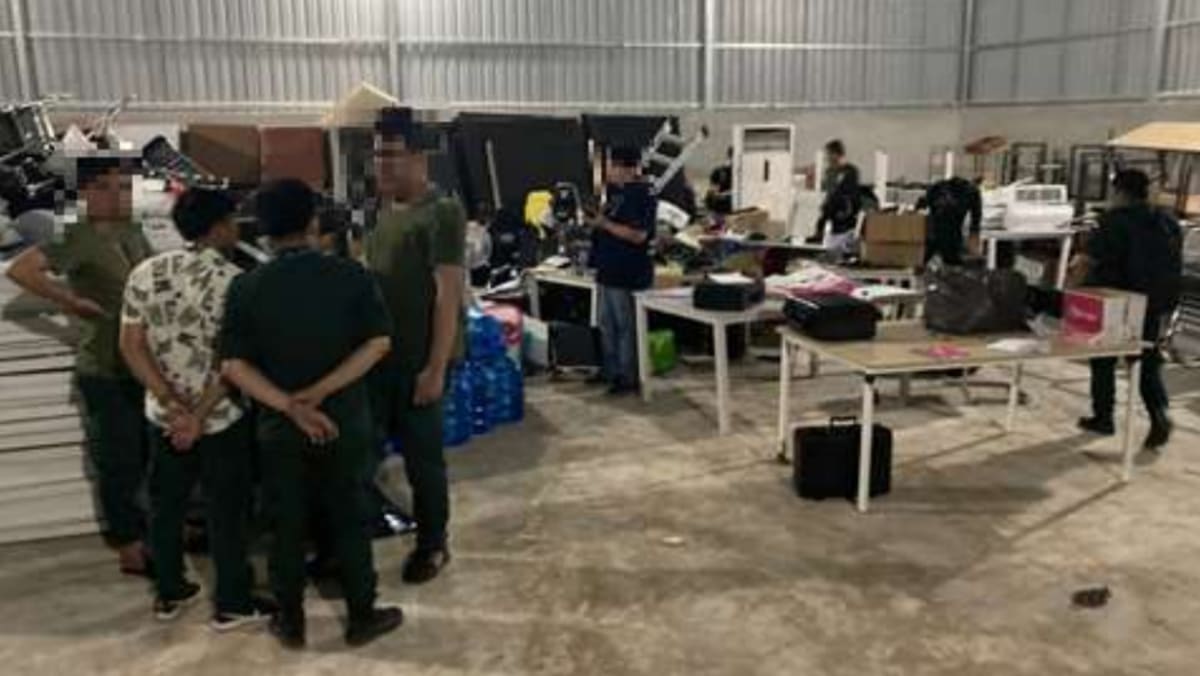
Filipino on trial for being part of Cambodia scam syndicate says she travelled there for an office job, wanted to return home
The trial of 35-year-old Filipina national De Villar Rizalyn Panganiban began its defence phase on Thursday, June 4, centering on her alleged involvement in a transnational scam syndicate. De Villar is accused of participating in a criminal group in Phnom Penh, Cambodia, which allegedly utilized government official impersonation scams to defraud victims in Singapore.
A Journey of Desperation or Complicity?
De Villar, who is currently remanded, testified that she traveled to Cambodia in March 2025 seeking legitimate employment after being contacted by a friend. Her defense counsel, Mr. Chooi Jing Yen, argued that his client arrived expecting an office role at an online gambling company, only to find herself trapped in a scam compound.
The prosecution contends that De Villar was fully aware of the syndicate’s illicit operations, alleging she memorized scripts used to impersonate Monetary Authority of Singapore (MAS) officials. During her testimony, De Villar refuted these claims, stating she was never briefed on the nature of the scripts and feared for her safety, citing reports of torture and harm inflicted upon those who failed to produce results for the syndicate.
Did You Know?
De Villar arrived in Cambodia via Malaysia on March 27, 2025, after being told by recruiters that traveling directly from the Philippines might trigger questioning by immigration authorities.
The Legal Stakes and Implications
This trial represents the first case to reach the court among 12 individuals charged in September of last year following a joint operation between the Singapore Police Force and the Cambodian National Police. The syndicate is believed to be responsible for losses exceeding S$40 million (US$31 million).

Expert Insight:
The central tension in this case lies in the legal definition of criminal intent versus duress. As the court examines the period between March 29 and April 24, 2025, the outcome may hinge on whether the judiciary views De Villar’s actions as a willing participation in fraud or as a desperate attempt to secure the funds necessary to escape a coercive environment.
If the court finds the evidence supports the prosecution’s claims, De Villar could face significant penalties. Conviction for being a member of an organised criminal group carries a potential sentence of up to five years imprisonment and a fine of up to S$100,000. Charges related to cheating could result in up to 10 years in prison.
What May Happen Next
As the trial continues, the court will likely weigh the credibility of De Villar’s testimony against the evidence presented by the prosecution, including her police statements and the accounts of investigation officers. A possible next step involves the court determining if the defense can successfully establish that the accused acted under duress, which could influence the final verdict and sentencing considerations.
Frequently Asked Questions
What was the nature of the work De Villar expected to perform?
According to her defense, De Villar believed she was hired for an office position at an online gambling company.
Why did the prosecution call two witnesses?
The prosecution concluded its case after presenting testimony from a Tagalog interpreter and an investigation officer to support their claims regarding De Villar’s knowledge of the syndicate’s activities.
What is the primary defense argument?
The defense argues that De Villar was a victim of circumstances who was held against her will, stripped of her passport, and forced to continue with the syndicate only because she lacked the funds to pay for her return home.
How should the international community balance the prosecution of scam syndicates with the protection of individuals who may be victims of human trafficking?