
Financial Crisis Threatens Professional Women’s Football in the Netherlands
Challenges Facing Dutch Women’s Football Amid Budget Cuts and Sustainability Concerns
Sarina Wiegman, the England women’s national team coach, has raised alarms about the long-term viability of Dutch women’s football, citing financial instability and lack of institutional support. During the Eredivisie Awards, she highlighted that many clubs face recurring budget shortfalls, leading to unsustainable operations. “After two or three years, the budgets shrink again, and you can no longer speak of professional football,” she said.
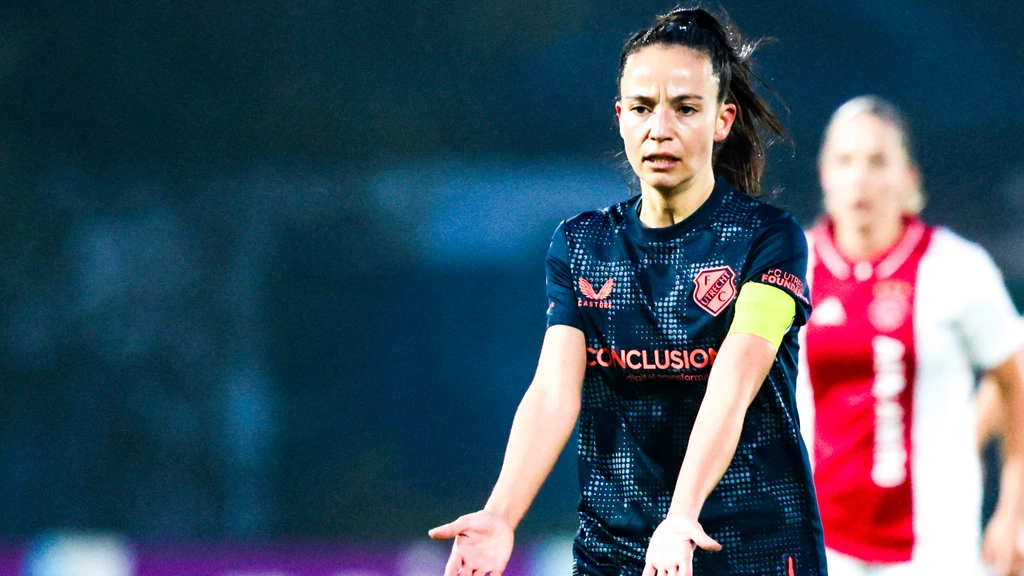
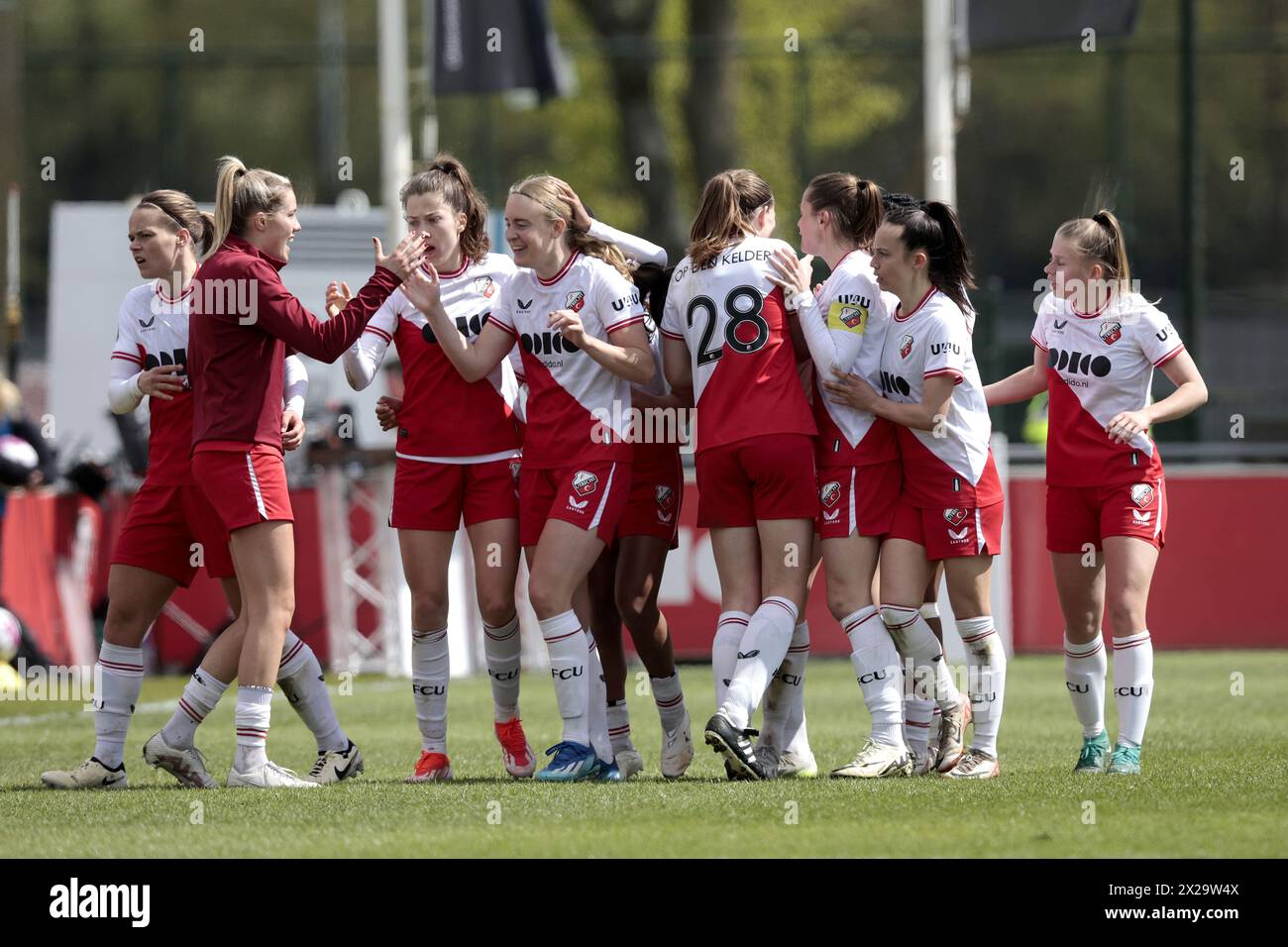
FC Utrecht, a mid-tier Eredivisie women’s team, recently announced cuts, parting ways with nine players and relocating its squad to amateur club VV De Meern. NAC Breda, another club, has been relegated and faces significant financial constraints. Fortuna Sittard and Telstar have also exited the top flight, with Telstar transferring its license to Hera United. These moves underscore a broader fragility in the league.
Club representatives acknowledge the challenges. FC Utrecht, with a 35 million euro budget, invested 5 million euros in women’s football over three years without achieving financial balance. “Break-even was the goal, but it hasn’t been met,” a club spokesperson noted. Meanwhile, NAC Breda’s director, Remco Oversier, pointed to stringent KNVB licensing requirements as a contributing factor, though he praised the federation’s 100,000 euro annual subsidy for women’s football.
Comparisons to England’s women’s league, where clubs like Arsenal draw 20,000+ fans and attract major sponsors, highlight a growing gap. “Netherlands once led, but England has caught up with better budgets, sponsorships, and youth development,” said Soraya Verhoeve, a player at FC Utrecht who is set to leave. The club’s team wore shirts reading “We don’t fit the budget” during a recent match, reflecting the dire situation.
Why It Matters
The financial struggles of Dutch women’s football risk undermining its growth and competitiveness. Clubs are forced to make difficult decisions, such as reducing squad sizes or relocating to amateur settings, which could deter talent and fan engagement. Wiegman’s warnings about sustainability resonate with experts, who note the sector’s reliance on individual club leadership rather than systemic investment.
What May Happen Next
If current trends continue, more clubs may reduce their women’s football commitments, exacerbating the league’s instability. However, the KNVB’s focus on licensing and player development could provide a framework for long-term solutions. Analysts suggest that prioritizing youth talent and transfer strategies, rather than short-term financial goals, might help clubs like FC Utrecht adapt. The success of England’s model, with its emphasis on commercial partnerships and fanbase growth, could serve as a blueprint for Dutch clubs seeking to balance sustainability with competitiveness.
Frequently Asked Questions
What financial issues are Dutch women’s football clubs facing? Clubs like FC Utrecht and NAC Breda are grappling with recurring budget shortfalls, leading to player cuts and relocations. FC Utrecht invested 5 million euros over three years without achieving financial balance.
How does the KNVB support women’s football? The KNVB provides a 100,000 euro annual subsidy and has eased licensing requirements for the top division. However, clubs argue that financial demands, such as increased player contracts, remain challenging.
What role does talent development play in the future of Dutch women’s football? Directors like Remco Oversier emphasize that long-term profitability may depend on investing in youth academies and transfers, rather than short-term contracts for players.
As the Netherlands’ women’s teams compete for World Cup qualification, the broader league’s ability to adapt to financial and structural challenges will determine its future. Will clubs find a sustainable path forward, or will the current struggles deepen? The answer could shape the trajectory of women’s football in the country for years to come.