
Finland knows it will talk to Russia again
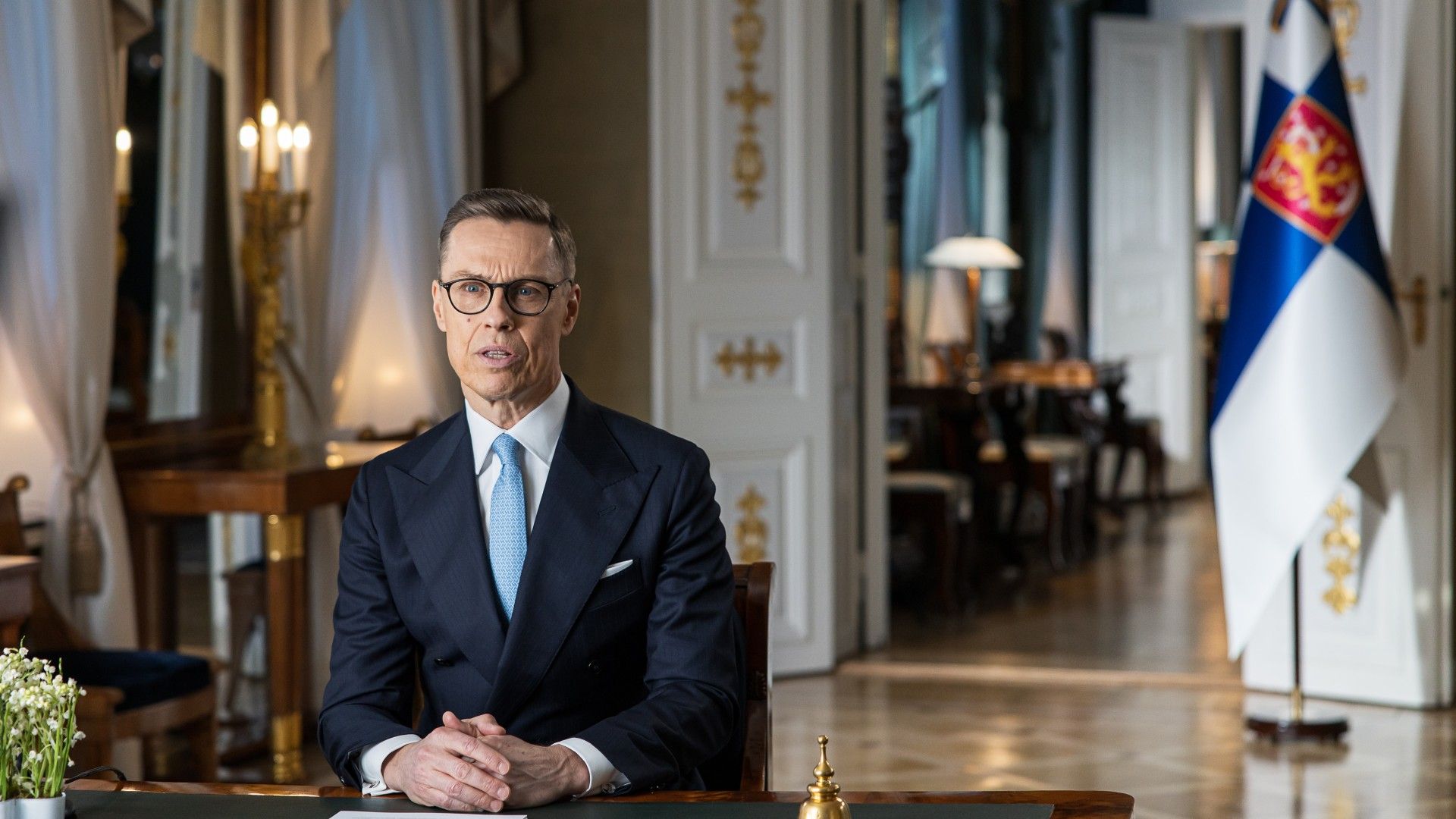
Finland President Alexander Stubb told NZZ that while Russia remains Europe’s primary security threat, political dialogue may eventually be necessary. Stubb argues such talks should occur only when Russia cannot dictate terms and must be coordinated via the EU and the E3 (France, Germany, UK) to ensure European cohesion.
Why does Finland believe talks with Putin must wait?
Negotiations with Moscow are not a substitute for Ukrainian resistance, according to President Alexander Stubb in an interview with NZZ. Stubb maintains that talks only make sense when Russia is not in a position of strength.
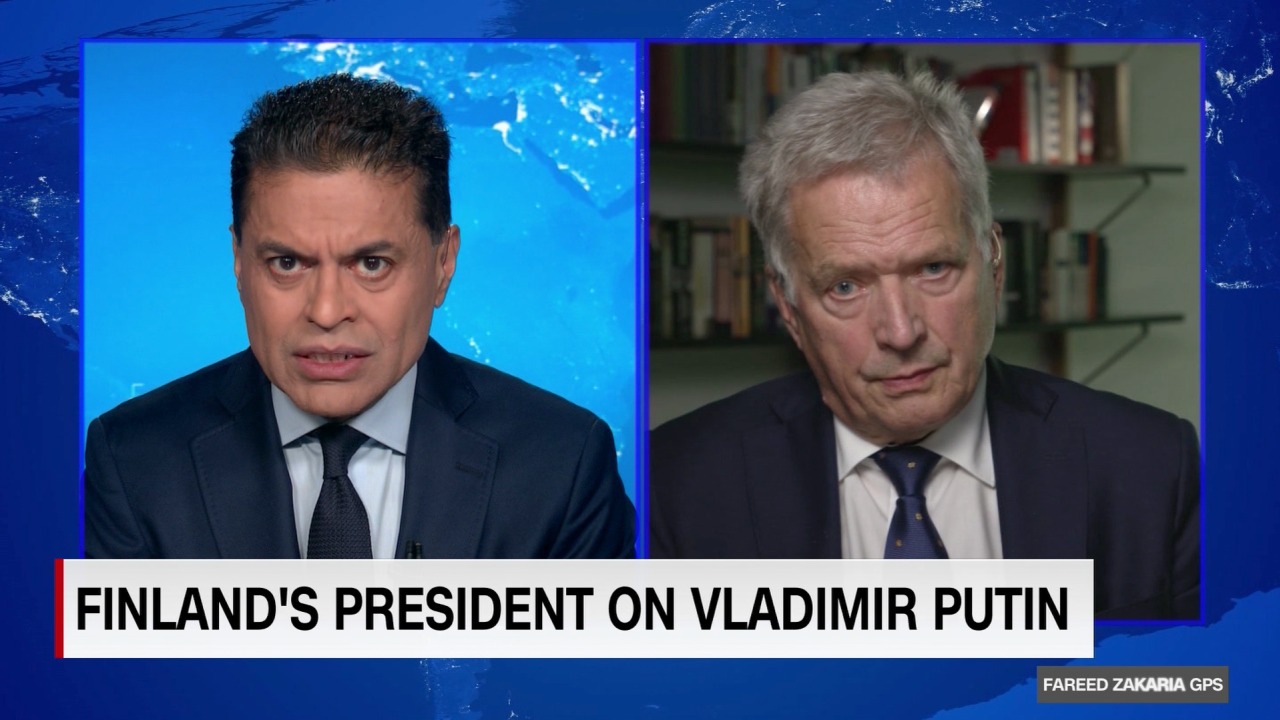
The Finnish president asserts that Ukraine currently holds its best battlefield position since the war began. He attributes this to high Russian casualty rates, the effectiveness of the “killing zone” at the front, and the impact of Ukrainian long-range strikes and drones.
By waiting for Russia to weaken, Stubb argues Europe avoids a scenario where the Kremlin dictates the terms of a peace deal. This approach links diplomatic engagement directly to battlefield reality rather than seeking a “quick reset.”
How would Europe coordinate future negotiations with Moscow?
Stubb proposes a tiered approach to diplomacy to prevent Europe from simply reacting to decisions made by external powers. He suggests that any contact with Putin should first be attempted through EU institutions.
If EU-level talks fail, Stubb argues the next format should be the “E3″—consisting of France, Germany, and the United Kingdom. Only after these steps should other diplomatic formats be considered.
This structure is designed to maintain a coordinated European front. Stubb emphasizes that while the U.S. remains central to deterrence, Europe must avoid assuming Washington’s interests will always align perfectly with those of the EU.
Will Russia test NATO’s Article 5?
President Stubb expressed full confidence in Article 5, the alliance’s collective defense clause, following Finland and Sweden’s accession to NATO. However, he does not expect Russia to launch a direct kinetic attack on the alliance.
According to Stubb, there is little logic for Russia to test Article 5 while it has failed to defeat Ukraine. Instead, he warns that “hybrid operations”—including cyberattacks, sabotage, and disinformation—will continue.
This assessment creates a contrast with the perspectives of “eastern flank” states like Poland, Lithuania, Latvia, Estonia, and Romania. These nations already face active Russian political intimidation and sabotage, making any future dialogue with Moscow far more contentious for their domestic populations than for Finland.
How is Europe’s dependency on the U.S. shifting?
Europe remains more dependent on the United States than the reverse, Stubb admitted to NZZ. While he dismissed concerns about a “kill switch” in F-35 aircraft as unrealistic, he expects a significant shift in burden-sharing.
This shift includes a transition in American capabilities and potentially the placement of troops. Stubb argues that Europe must prepare for greater responsibility in its own defense, even as the U.S. remains the primary deterrent against Russian aggression.
Will relations return to the pre-2022 model?
Stubb rejects the idea that relations with Russia will ever return to the status quo that existed before February 2022. He views Russia as a long-term security problem rather than a partner awaiting normalization.
For Finland, the necessity of some political contact is a matter of geography, not trust. Stubb argues that any future dialogue must be strictly linked to three factors: strong deterrence, NATO cohesion, and Europe’s internal ability to defend its own interests.
Comparison: Finnish vs. Eastern Flank Perspectives
| Perspective | Finland (Stubb) | Eastern Flank (Baltics/Poland) |
|---|---|---|
| Future Dialogue | Necessary due to geography; must be coordinated. | Difficult to accept; high domestic resistance. |
| Primary Threat | Long-term security risk; hybrid focus. | Immediate hybrid pressure and intimidation. |
Frequently Asked Questions
When does Finland believe talks with Russia should happen?
According to President Stubb, talks should only occur when Russia is no longer in a position of strength and cannot dictate the terms of the agreement.
What is the “E3” in the context of European diplomacy?
The E3 refers to France, Germany, and the United Kingdom. Stubb suggests they should be the second tier of diplomatic contact if EU-wide institutions cannot reach an agreement with Moscow.
Does Finland believe Russia will attack NATO?
Stubb does not expect a direct kinetic test of Article 5 while Russia is struggling in Ukraine, though he expects hybrid warfare to continue.
What do you think? Should Europe wait for Russia to weaken before negotiating, or is a diplomatic opening needed sooner? Share your thoughts in the comments below or subscribe to our newsletter for more geopolitical analysis.