

Firefighters cut open dumpster to save raccoon nicknamed ‘Rocket’ after he got stuck headfirst in a tiny hole
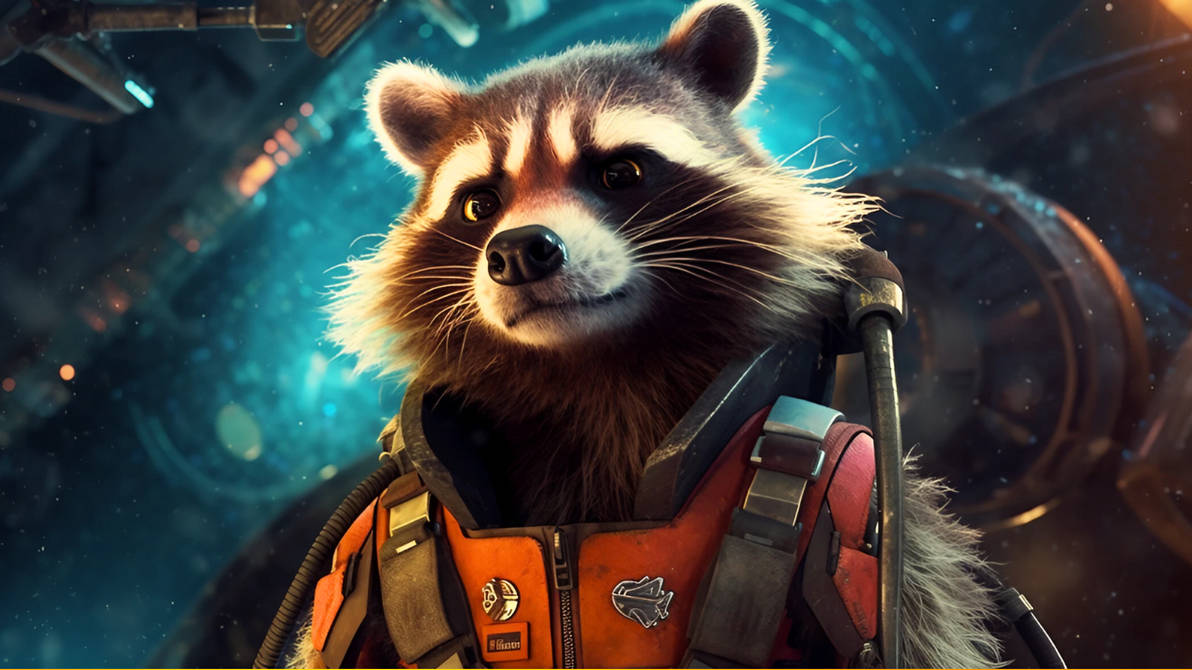
The recent rescue of a raccoon in North Little Rock, Arkansas, highlights a growing intersection between urban infrastructure and local wildlife. Firefighters were dispatched to assist the animal, nicknamed “Rocket,” after he became trapped while foraging inside a dumpster. The animal had pushed through a narrow opening at the base of the container, leaving his head caught and his body unable to retreat.
Operational Challenges in Wildlife Rescue
The situation required a precise intervention, as responders had to cut into the metal structure to widen the opening without harming the animal. According to the fire department, the rescue was successful and Rocket was released without injury. He has since been relocated to Burns Park.
The Broader Implications for Urban Planning
This incident serves as a case study for the risks posed by human development encroaching on animal habitats. As food sources dwindle in natural settings, wildlife is increasingly pushed toward urban structures. This proximity creates a higher frequency of human-animal encounters, which can escalate into dangerous situations depending on the species involved.
Future Risk Mitigation
Moving forward, property owners and municipal planners may need to consider more secure trash storage solutions to prevent similar occurrences. By maintaining containers and ensuring openings are not loose or damaged, the likelihood of wildlife entrapment could be reduced. In the event of future encounters, the recommended procedure remains to maintain distance and contact professional animal control or fire services, as attempting a rescue without proper training or equipment could lead to injury.
Frequently Asked Questions
What is the safest way to respond to a trapped animal?
The safest move is to keep your distance and contact professionals, such as local animal control or the fire department, to handle the rescue.
Why are animals becoming trapped in dumpsters more often?
As animals lose their natural habitats and food sources, they are increasingly pushed into urban areas to search for food and shelter, bringing them into contact with human structures.
Are all animals easy to rescue from these structures?
Not necessarily. While raccoons may be perceived as manageable, other animals such as bears or snakes pose a higher risk of harm, and any wild animal can become unpredictable when frightened.
How do you think urban design should evolve to better coexist with the wildlife entering our neighborhoods?