

First disease-modifying therapy for NHS use to delay the onset of type 1 diabetes recommended
Teplizumab has been recommended by an independent NICE committee as a treatment to delay the onset of symptomatic type 1 diabetes by an average of nearly three years. England is the first European country to recommend the use of this disease-modifying therapy, which is authorized for children aged 8 and over and adults in the early, pre-symptomatic stage (stage 2) of the condition.
How Teplizumab Functions
Teplizumab, also known by the brand name Tzield and manufactured by Sanofi, is an immunotherapy designed to regulate the immune system. According to NICE, the treatment works by attaching to the CD3 protein on the surface of immune cells that mistakenly attack insulin-producing cells in the pancreas. By slowing this damage, the therapy provides patients with a period of time before they require lifelong insulin management.
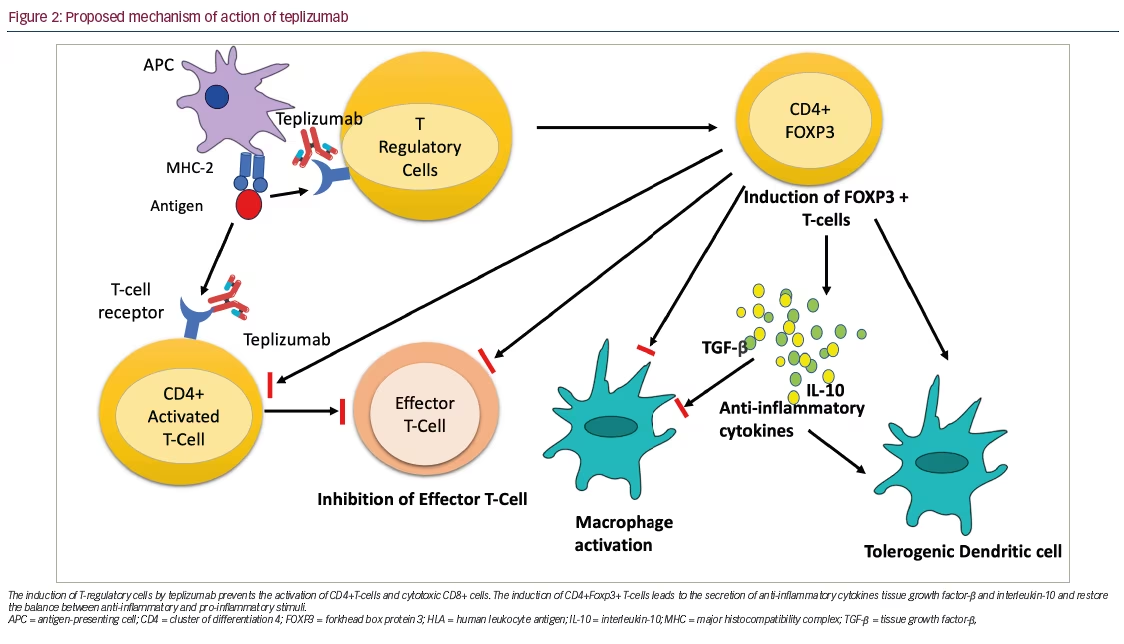
Clinical evidence for the therapy comes from the TN-10 trial, which followed 76 participants. Among those studied, the 44 individuals who received teplizumab experienced a delay in the onset of symptomatic diabetes of approximately 32 months compared to those who received a placebo.
Teplizumab is administered as a one-time, 14-day course of daily intravenous infusions. Each daily session lasts at least 30 minutes, and patients are required to visit a hospital every day, including weekends, to complete the treatment.
Eligibility and Access
Because stage 2 type 1 diabetes presents no physical symptoms, identification relies on specific autoantibody testing. Estimates from NICE suggest that approximately 1,100 people could be eligible for the treatment in the first year. From the third year onward, this number is expected to stabilize at roughly 820 eligible patients annually.
In the UK, screening is currently conducted through two primary research studies: the Early Surveillance for Autoimmune diabetes (ELSA) study for children aged 2 to 17, and the T1DRA study for adults aged 18 to 70. Following the publication of final guidance, the treatment will be available to NHS patients in England within 90 days, while patients in Wales will gain access 60 days from June 23, 2026.
The introduction of teplizumab represents a departure from traditional diabetes care, which has centered on insulin delivery for the past century. By targeting the underlying immune-mediated destruction of pancreatic cells, the therapy shifts the clinical focus from managing symptoms to intervening in the disease process before it becomes symptomatic. The primary trade-off for patients is the intensive 14-day hospital-based treatment schedule, which requires significant logistical coordination for families.
Infrastructure and Future Developments
The NHS is currently developing the necessary testing and treatment pathways to integrate teplizumab into routine clinical practice. To support this, the ELSA 2 study has received £1.5 million in funding to expand screening efforts to 30,000 children across the UK. This initiative aims to establish dedicated NHS Early-Stage Type 1 Diabetes Clinics, providing clinical and psychological support to families from the moment of screening through to diagnosis and potential treatment.
Frequently Asked Questions
What is the difference between stage 2 and stage 3 type 1 diabetes?
At stage 2, blood tests indicate that the immune system is attacking insulin-producing cells and blood sugar levels are beginning to change, but the patient remains asymptomatic. Stage 3 occurs when symptoms such as frequent urination, fatigue, and weight loss appear, necessitating lifelong insulin treatment.
Is there a national screening program for type 1 diabetes?
There is currently no national screening program. Patients typically discover they are in stage 2 through research studies like ELSA or T1DRA, through family history testing, or via blood sugar investigations for other medical reasons.
What are the long-term risks of type 1 diabetes?
Once a patient reaches stage 3, the condition carries risks of long-term complications including cardiovascular disease, kidney failure, and damage to the nervous system.
How might the expansion of screening studies influence the way families prepare for a type 1 diabetes diagnosis in the coming years?