
Five Everyday Parenting Habits That Can Quietly Fuel Child Anxiety
Common parenting habits, including overprotecting children from discomfort and constant reassurance, may inadvertently contribute to childhood anxiety, according to experts. Antonia Coulson, an accredited life coach and European wellbeing and culture manager, and Dr. Sam Zand, a board-certified psychiatrist and CEO of Anywhere Clinic, report that these well-intentioned behaviors can lead to hypervigilance, emotional dysregulation, and a fear of failure in developing children.
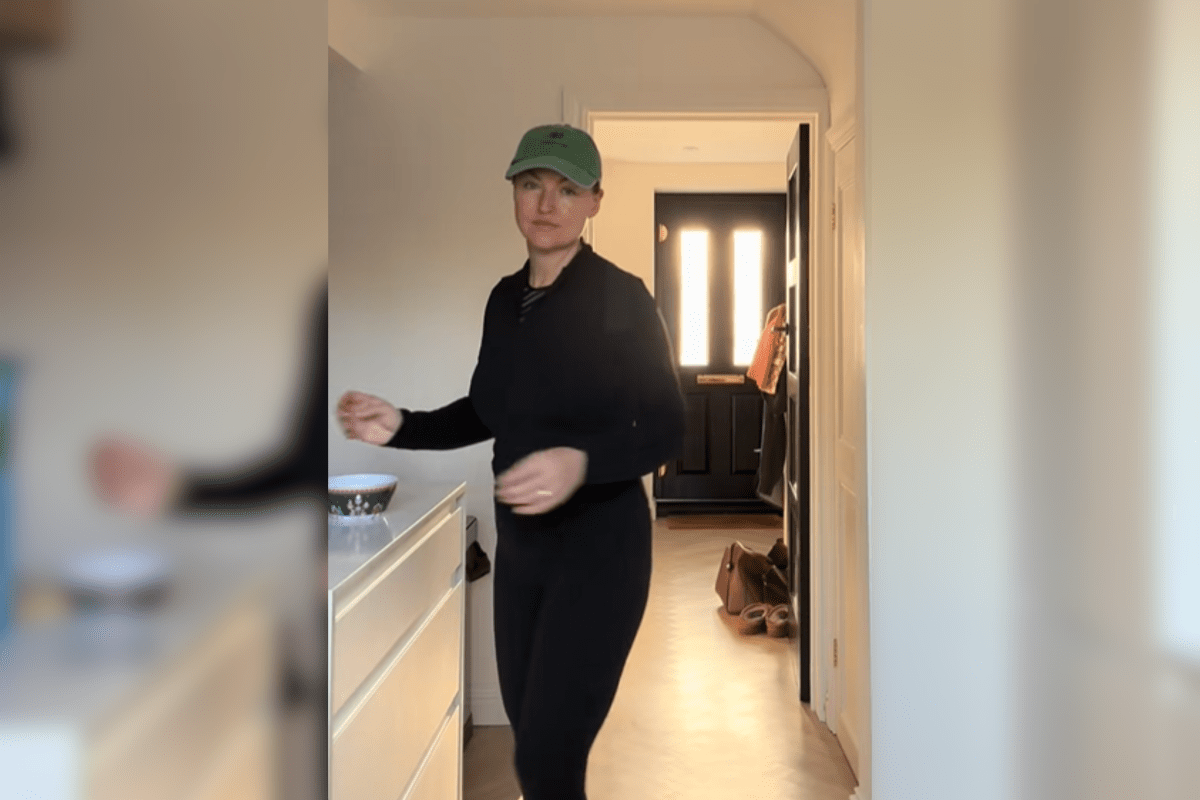
A social media post by life coach Antonia Coulson regarding the impact of unpredictable parental reactions and the pressure to be a “perfect” parent has reached over 151,500 views, highlighting the widespread parental concern surrounding these developmental habits.
Why Overprotection Can Hinder Resilience
While shielding children from hardship is a natural parental instinct, doing so consistently can prevent the development of resilience and confidence. Dr. Zand notes that when parents constantly intervene to prevent failure or correct behavior, they limit a child’s ability to build tolerance for discomfort. Coulson adds that when adults solve every problem, children may internalize a belief that they lack the capacity to handle difficult situations independently.

The Impact of Constant Reassurance
Providing constant reassurance often creates a cycle of dependency where children rely on external validation to regulate their anxiety. According to Coulson, this habit can strengthen anxious thought patterns because children fail to learn how to manage their own uncertainty. Instead of reinforcing that uncertainty is dangerous, experts suggest that parents should remain calm, validate emotions, and communicate confidence in their child’s ability to cope.
The distinction between protective parenting and anxiety-inducing habits often lies in the intention rather than the act itself. By shifting the focus from “perfecting” the child’s environment to providing consistent emotional safety, parents may reduce the potential for hypervigilance and help children develop their own internal coping mechanisms for life’s inevitable challenges.
How Household Environment Affects Anxiety
Busy, high-pressure, and emotionally unpredictable households can dysregulate a child’s nervous system. Dr. Zand explains that children who experience inconsistent parental reactions—such as explosive shouting followed by sudden calmness—may begin to “walk on eggshells” to avoid conflict. Because children are highly perceptive, a parent who appears chronically stressed or overwhelmed can inadvertently feed their child’s sense of unease, keeping the child in a heightened state of alertness.
What May Happen Next
As awareness of these developmental patterns grows, families may shift their focus toward emotional connection rather than the pursuit of perfect parenting. Analysts expect that by prioritizing predictable routines and allowing for age-appropriate independence, parents could help their children navigate discomfort more effectively. Future outcomes may involve a reduction in hypervigilance as children gain more trust in their own ability to manage frustration without the need for constant external intervention.
Frequently Asked Questions
Are these habits a sign of bad parenting?
No. Experts emphasize that these behaviors are generally motivated by love and good intentions, rather than malintent.
What is the alternative to constant reassurance?
Parents are encouraged to stay calm, validate their child’s emotions, and communicate confidence in the child’s ability to handle difficult situations on their own.
Do children require perfect parents to develop well?
No. Children benefit from emotional safety, connection, and consistency rather than flawless parenting, and they are resilient enough to handle occasional stress.
How do you balance the desire to protect your children with the need to let them experience life’s challenges?