

Five Injured in New York Penn Station Stabbings, Suspect Detained
Five people were injured in a series of stabbings at New York City’s Penn Station on Sunday, according to the city’s fire department. One victim suffered a grave injury, while others were moderately or lightly hurt. A suspect is currently in custody following the incident, which occurred around 7 p.m.
Why security at transit hubs is becoming more complex
Securing “porous” environments like Penn Station is a constant challenge for urban planners. These hubs are designed for maximum flow, but that same openness makes them vulnerable. According to the Associated Press, this recent attack occurred in one of the city’s most crowded transportation centers, highlighting the difficulty of monitoring thousands of commuters in real-time.
Future security trends are shifting toward “layered defense.” Instead of just checkpoints, agencies are looking at integrated surveillance and faster response times. The speed of the response on Sunday—where paramedics arrived around 7 p.m. to triage victims—shows the importance of having emergency assets pre-positioned in high-traffic zones.
How high-profile events change urban safety protocols
The timing of the Penn Station stabbings created a unique security pressure point. The attack happened the eve of President Donald Trump’s planned attendance at Game 3 of the NBA Finals at Madison Square Garden. Because the Garden sits directly above Penn Station, the two environments are physically linked but managed by different security tiers.

According to the Associated Press, the presidential visit had already triggered a surge in security. This included a heavy presence from the Secret Service, the New York Police Department (NYPD), and other agencies. This “event-based” security model creates a temporary fortress around a venue, but it often leaves the surrounding public infrastructure, like the train station below, as a point of contrast in vigilance.
We are seeing a trend where “security bubbles” for VIPs are expanding. Instead of just securing the venue, agencies are increasingly coordinating to create a wider perimeter of safety that encompasses the transit routes leading to the event. You can read more about urban security strategies to see how this is implemented in other global cities.
What happens during large-scale emergency responses in NYC?
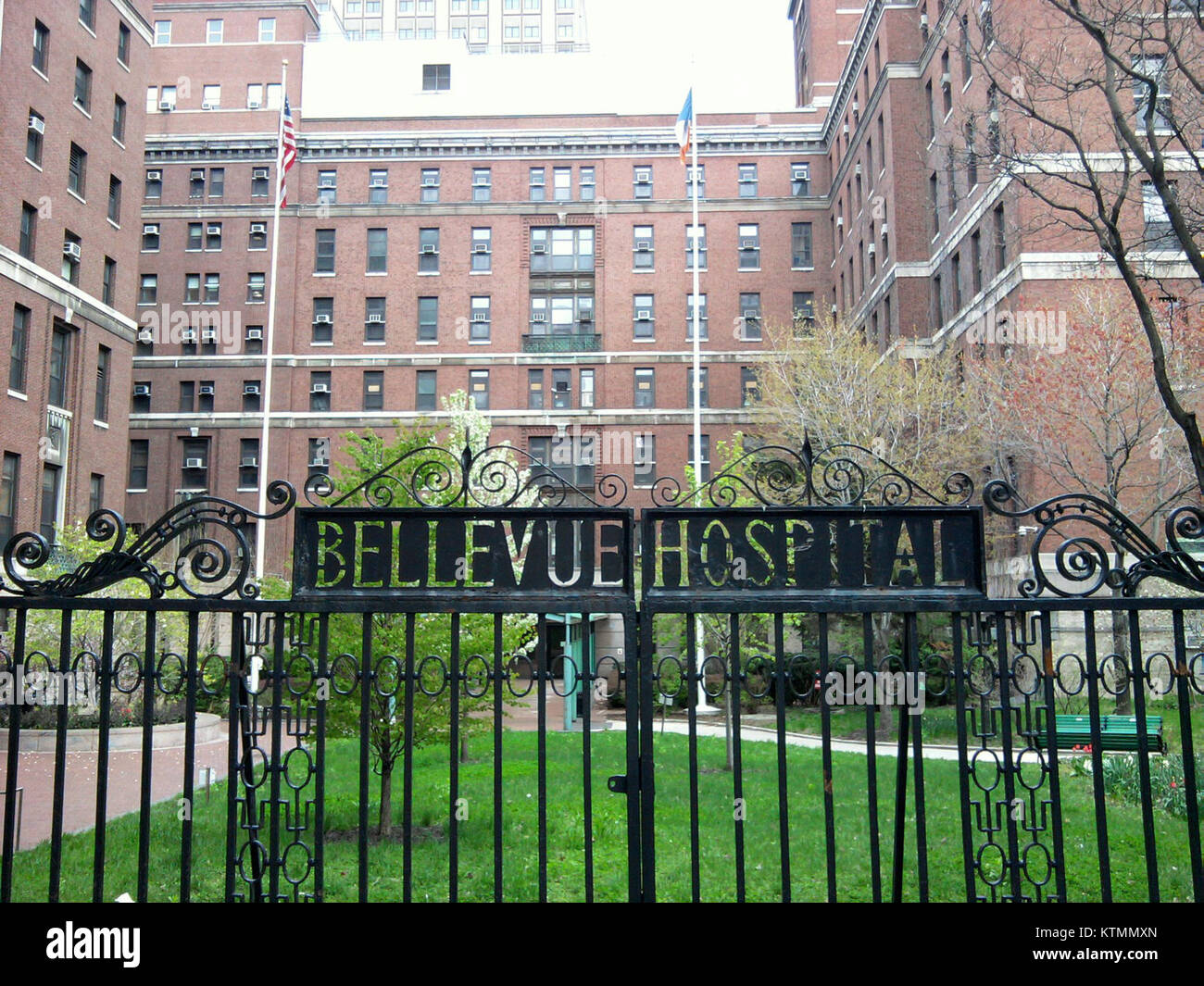
When a violent incident occurs in a dense hub, the priority is immediate extraction. In this case, the city fire department coordinated the transport of all five victims to Bellevue Hospital. This centralized approach prevents the overcrowding of smaller local clinics and ensures patients reach a facility equipped for trauma.
The efficiency of this “hub-and-spoke” medical response is a blueprint for other cities. By routing multiple victims to a single high-capacity center like Bellevue Hospital, authorities can better manage the scene and the medical intake process simultaneously.
FAQ: Penn Station Incident and Urban Safety
How many people were injured in the Penn Station attack?
Five people were injured. According to the city fire department, one had a grave injury, two had moderate injuries, and two had light injuries.
Who is responsible for security during presidential visits to NYC?
Security is a joint effort involving the Secret Service, the NYPD, and other federal and local agencies.
Where were the victims taken after the incident?
All victims were transported to Bellevue Hospital.
What do you think about the balance between open public transit and high-security zones? Should transit hubs have more permanent checkpoints? Let us know in the comments or subscribe to our newsletter for more insights on urban safety.