
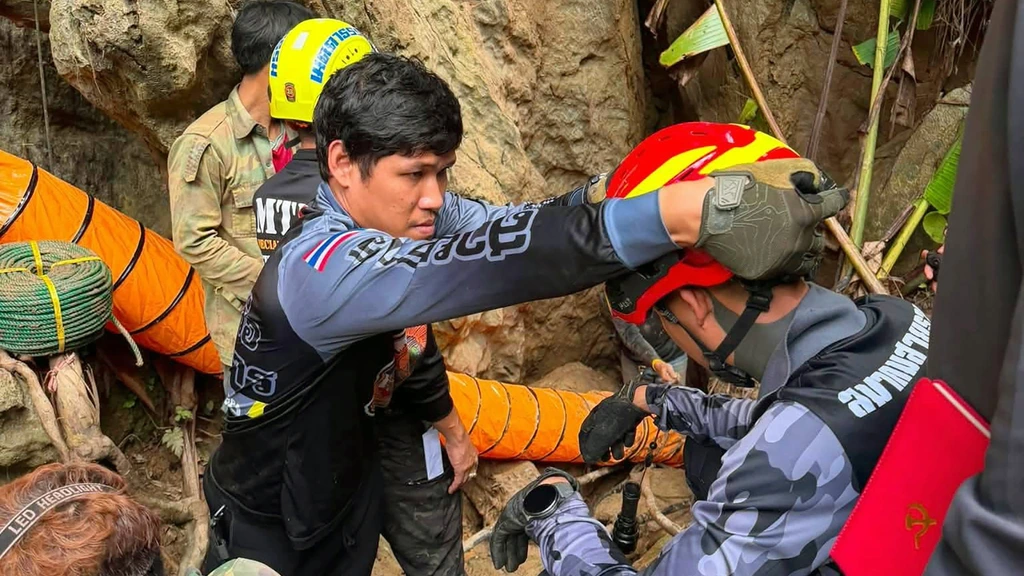
Five People Found Alive After Being Trapped in Flooded Laos Cave
Trapped Underground: The Evolving Science and Strategy of Cave Rescues
The recent rescue of five individuals from a flooded cave system in Laos serves as a stark reminder of the inherent dangers of subterranean exploration. While the world celebrates their survival, the operation highlights a critical shift in how emergency services handle extreme, inaccessible environment rescues. As climate patterns become more erratic and adventure tourism grows, the methodology behind cave extraction is undergoing a technological revolution.
The Rise of High-Stakes Subterranean Operations
Cave rescue is widely considered one of the most complex disciplines in emergency management. Unlike urban search and rescue, cave environments offer no natural light, unpredictable water levels, and extreme psychological pressure. The 2018 Tham Luang cave rescue in Thailand, which involved international experts, set a new benchmark for cross-border cooperation in disaster relief.
Experts note that we are entering an era where specialized cave rescue technology is becoming essential for local governments. This includes:
- Submersible Drones (ROVs): Used for mapping flooded passages before human divers enter.
- Low-Frequency Communication Systems: Radio systems capable of penetrating hundreds of meters of solid rock.
- High-Capacity Industrial Pumping: Advanced water management systems that can alter the hydrology of a cave system in hours rather than days.
Climate Change and the “Flash Flood” Risk
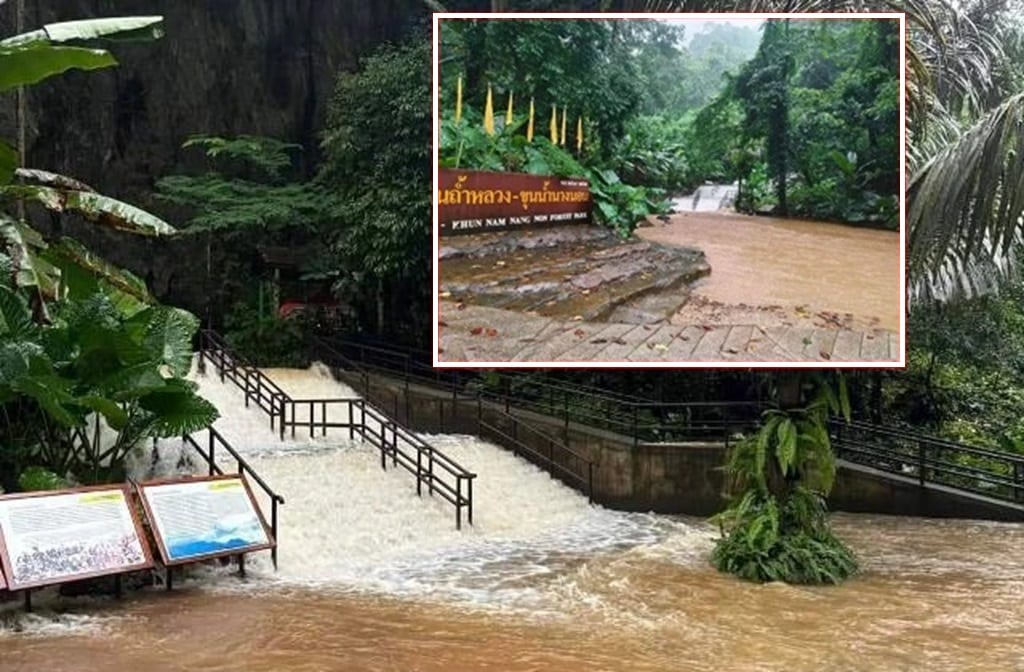
One of the most concerning trends for cave safety is the increasing frequency of flash flooding. As weather patterns become more extreme, traditional “safe” seasons for cave exploration are becoming obsolete. What was once a dry, accessible cave can transform into a high-pressure water pipe in minutes.
Data from geological surveys suggests that mountain regions in Southeast Asia and parts of Europe are seeing a higher variance in water tables. This means that local guides and explorers must adopt a “zero-tolerance” policy regarding rain forecasts, even when the entrance to the cave appears bone-dry.
Did You Know?
Cave systems often act as massive natural drainage pipes. During heavy rainfall, water can travel miles underground at incredible speeds, creating “siphons” that can trap explorers far from the entrance with little to no warning.

The Future of Search and Rescue (SAR) Infrastructure
The future of rescue operations lies in predictive modelling. By using satellite imagery and real-time sensor data, rescue teams can now create digital twins of cave systems. This allows command centers to simulate water flow and identify potential “air pockets” where survivors might be located, significantly shortening the time required to locate missing persons.
the integration of international task forces—as seen in the Laos rescue where Thai experts provided critical support—is becoming the industry standard. No single nation possesses the full suite of specialized equipment needed for every cave disaster, making interoperability the most important trend in modern emergency response.
Frequently Asked Questions (FAQ)
- How do rescuers communicate with people trapped deep underground?
- Communication is extremely difficult. Rescuers often use “through-the-earth” (TTE) radio systems that use low-frequency electromagnetic waves to penetrate rock, or they rely on physical “hard-line” telephone cables laid by divers.
- What is the biggest challenge in a flooded cave rescue?
- The primary challenge is the combination of cold water, total darkness, and high levels of silt, which can reduce visibility to zero. This makes the physical extraction of survivors exceptionally dangerous for the rescue divers themselves.
- How can explorers improve their safety?
- Always leave a detailed trip plan with someone outside the cave, carry redundant light sources, and check meteorological reports for the entire drainage basin, not just the area around the cave entrance.
Have you ever explored a cave or been involved in rescue training? Share your experiences in the comments below, or subscribe to our safety bulletin for the latest insights on extreme environment survival.