

Flavio Cobolli Advances to Roland-Garros Final After Matteo Arnaldi Withdraws
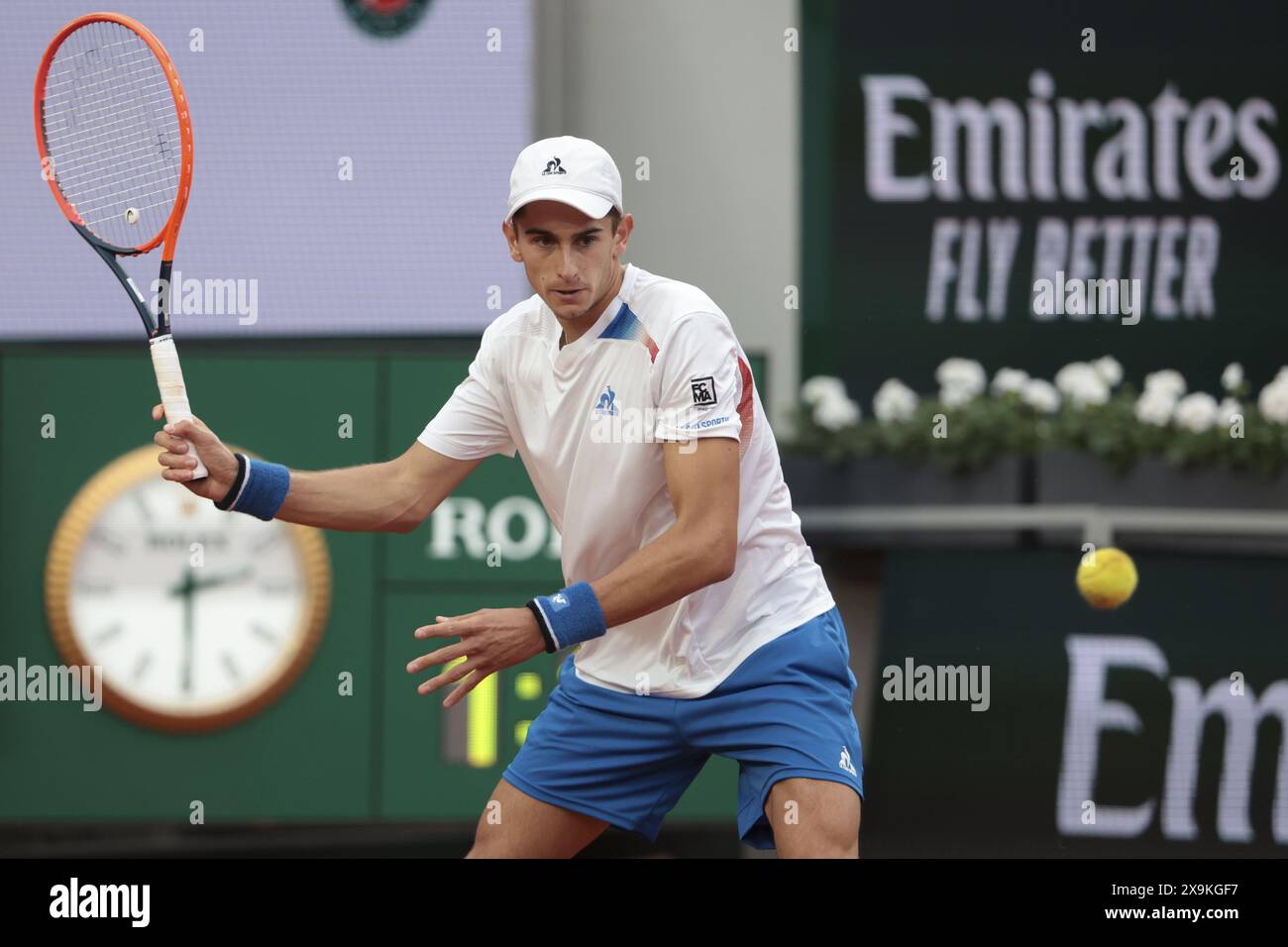
The high-stakes world of professional tennis was recently interrupted by a sudden health crisis, forcing a dramatic shift in the Roland-Garros tournament schedule. Just moments before the scheduled start of the first all-Italian Grand Slam semifinal, Matteo Arnaldi was forced to withdraw due to a severe viral illness.
Arnaldi reported feeling the onset of symptoms during the night of Thursday to Friday. He described a debilitating experience characterized by repeated vomiting, an inability to consume food or liquids and a physical state so weakened that he was unable to stand or move effectively.
The Impact of Viral Illness on Elite Performance
The sudden nature of Arnaldi’s condition highlights the vulnerability of even the world’s top athletes to acute, unexpected health challenges. In a high-performance environment where physical endurance is paramount, a sudden viral infection can instantly derail years of preparation.
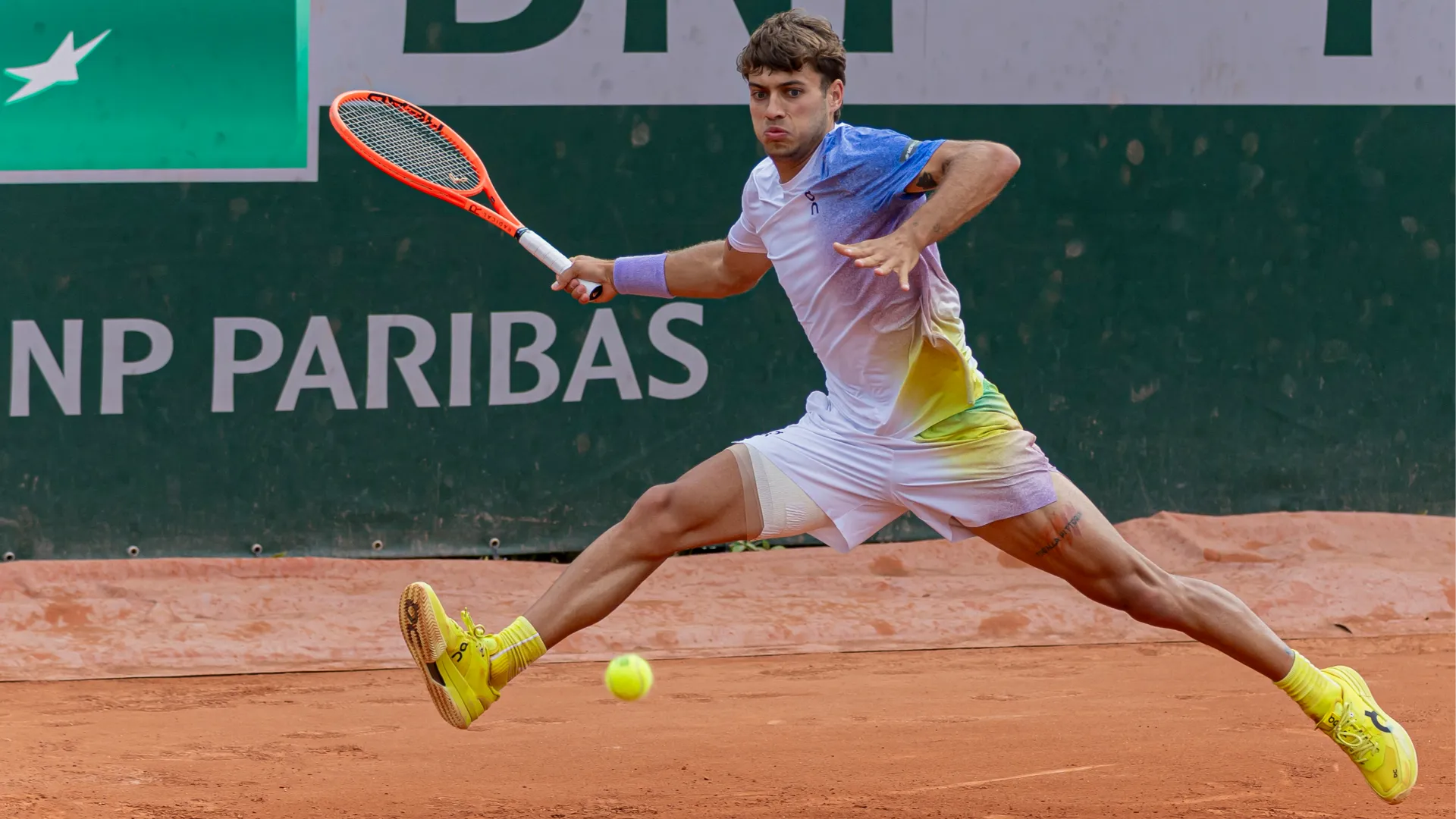
For Flavio Cobolli, the situation proved to be an emotional turning point. Upon learning of his friend and opponent’s condition, the 24-year-old admitted to being “at the brink of tears.” This forced withdrawal granted Cobolli a direct qualification into his first-ever Grand Slam final against Alexander Zverev, a milestone that secures his entry into the Top 10 for the first time in his career.
Flavio Cobolli is the third Italian player to reach the final of Roland-Garros, following in the footsteps of Adriano Panatta, who won the title 50 years ago in 1976, and Jannik Sinner, who reached the final last year.
Significance and Future Outlook
The cancellation of this historic match left fans who had gathered at the Court Philippe-Chatrier without the anticipated competition. In response to the disruption, tournament organizers confirmed that all spectators holding tickets for the second men’s singles semifinal would be fully reimbursed for their purchase.
From a medical perspective, the severity of symptoms described by Arnaldi—specifically the inability to maintain hydration—underscores why athletic competition becomes impossible regardless of an athlete’s mental resolve. The rapid onset of such a virus serves as a reminder that the physical constraints of the human body remain the ultimate factor in professional sports, regardless of the magnitude of the event.
Looking ahead, this incident will renew discussions regarding athlete health protocols during major tournaments. As Cobolli prepares to face Alexander Zverev in the final, his trajectory remains a major topic of interest for tennis analysts, as his performance in this upcoming match will determine his specific standing within the Top 10 rankings.
Frequently Asked Questions
Why was Matteo Arnaldi unable to play in the semifinal?
Arnaldi was forced to withdraw due to a sudden viral infection that caused repeated vomiting and an inability to stand, eat, or drink.
What happened to the spectators who purchased tickets for the match?
The organizers of the tournament announced that all spectators holding tickets for the second men’s singles semifinal would be fully reimbursed.
How does this development affect Flavio Cobolli’s career?
By qualifying for his first Grand Slam final, Cobolli is guaranteed to enter the Top 10 for the first time in his career, regardless of the outcome of his match against Alexander Zverev.
How do you think the sudden pressure of a high-stakes final might influence an athlete’s recovery and preparation following such an unexpected turn of events?