
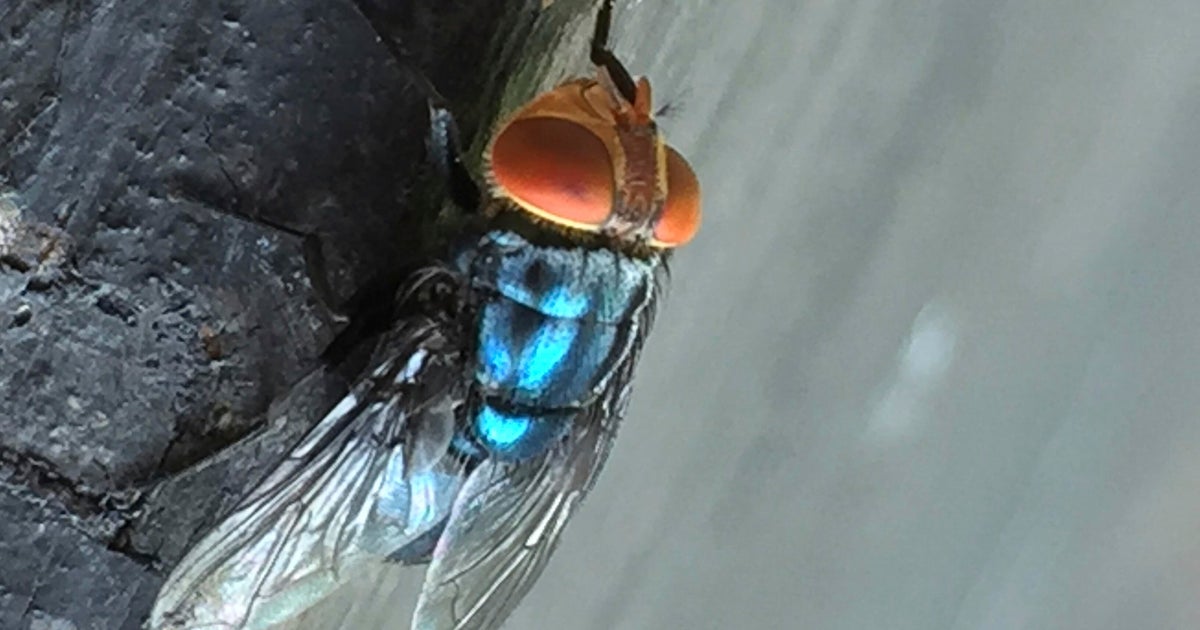
Flesh-eating New World screwworm found in Texas calf, USDA says
The U.S. Department of Agriculture (USDA) has confirmed the detection of the New World screwworm in Texas, marking a significant development in the effort to keep the parasitic pest from establishing a foothold in the country. The infestation was identified in a 3-week-old calf located in Zavala County, where larvae were discovered in the animal’s umbilical area.
Following the confirmation, federal and state authorities have mobilized to contain the threat. The USDA is establishing a 12-mile “infested zone” around the site of the discovery and implementing strict quarantine measures. These efforts are being coordinated through an Incident Command Team formed in partnership with the Texas Animal Health Commission, while trapping operations along the border are being intensified.
The Significance of the Outbreak
The New World screwworm is a serious concern for livestock producers because the parasitic fly lays eggs in open wounds or bodily orifices, such as the nose, ears, eyes, or mouth. Once the eggs hatch, the larvae feed on the living flesh of the host. While the primary impact is on livestock, the parasite can also affect other warm-blooded animals and, in rare instances, humans.

The urgency of the current response is underscored by the proximity of the pest to U.S. Soil. Last week, a screwworm was detected in Mexico just 25 miles from the border—the closest such encounter reported since last September. With more than 26,000 cases identified across Mexico and roughly 2,700 currently active, the potential for cross-border transmission remains a primary focus for regulatory agencies.
Potential Next Steps
As the USDA moves forward with eradication protocols, officials are likely to continue monitoring the 12-mile infested zone for further signs of the parasite. Given the ongoing prevalence of the screwworm in Mexico, authorities may maintain or extend quarantine measures to prevent the spread of the fly into other regions of Texas or beyond.
While the USDA remains confident in its ability to manage the situation, the history of the parasite suggests that vigilant surveillance will be required. Investigators will likely continue to analyse data from the National Veterinary Services Laboratories in Ames, Iowa, to determine if additional cases emerge from the current localized incident.
Frequently Asked Questions
What is the New World screwworm?
We see a parasitic fly that lays eggs in the open wounds or orifices of warm-blooded animals, including livestock and, rarely, humans. Upon hatching, the larvae feed on the host’s living flesh.
How is the USDA responding to the case in Texas?
The agency has established a 12-mile “infested zone” around the detection site, implemented quarantines, increased trapping efforts along the border, and formed an Incident Command Team with the Texas Animal Health Commission.
Have humans been affected by this parasite in the U.S.?
Yes, the first case of a New World screwworm infestation in a human in the U.S. Was confirmed last year. The individual recovered, and investigators found no evidence of transmission to other people or animals.
How do you believe agricultural communities can best support these containment efforts?