
Flooding’s Impact on Crops, Soil, and Food Security
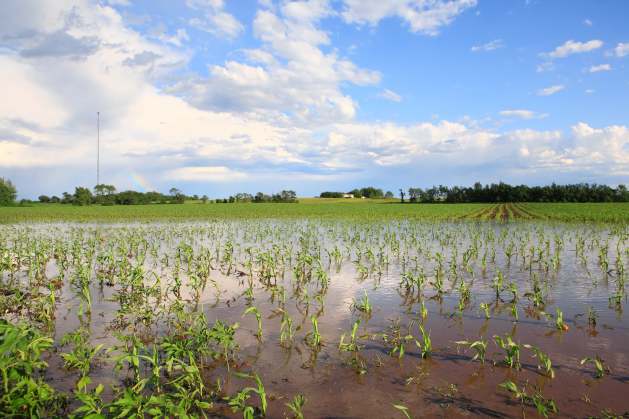
Flooding damages agricultural productivity by suffocating crops like corn and tomatoes and destroying beneficial soil microbes, according to researchers Esther Ngumbi and Christy Gibson of the University of Illinois Urbana-Champaign. These losses, which parallel drought impacts, threaten global food security and increase consumer food costs as extreme weather events intensify.
How does flooding destroy crops and soil?
Flooding kills plants through oxygen deprivation. According to Ngumbi and Gibson, crops such as tomatoes and corn visibly stop growing within days when submerged, eventually suffocating to death. This doesn’t just kill the plant; it wipes out millions of acres of produce and renders tons of vegetables unsellable due to contamination.
The damage extends below the surface. Flooding harms beneficial soil microbes and organisms like earthworms. These microbes are essential for nitrogen fixation, nutrient uptake, and overall soil fertility. When these biological networks collapse, the soil loses its ability to sustain resilient agricultural production.
Why are flooding losses compared to drought?
Agricultural losses from flooding now parallel those caused by drought, according to current studies cited by the University of Illinois researchers. While drought often dominates the climate conversation, flooding causes similar systemic disruptions across the trillion-dollar agricultural industry.
These events trigger a domino effect. Higher crop losses lead to increased food costs for consumers and a spike in insurance claims. For the people on the front lines, the impact is personal; Ngumbi and Gibson note that these disasters place a significant mental burden on farmers and agricultural workers.
What solutions can mitigate flood-related agricultural loss?
Current mitigation efforts are fragmented. Ngumbi and Gibson argue that most flooding research happens in controlled greenhouses, which fails to capture the complexity of real-world environments. They advocate for “living laboratories”—collaborations where researchers and farmers co-build solutions on actual farms.
To move forward, the researchers suggest three specific shifts in strategy:
- Interdisciplinary Research: Breaking silos between plant biology, entomology, agronomy, and climate systems engineering.
- Field-Based Testing: Moving experiments out of greenhouses and into various climates and soil types to determine true crop resilience.
- Increased Investment: Closing the knowledge gap between flood impacts and drought impacts through dedicated federal and global funding.
How does the media influence food security?
Public awareness of agricultural flooding remains low. Ngumbi and Gibson point to major outlets like The New York Times, The Washington Post, and CNN, suggesting that expanding coverage of how severe weather affects crop production can drive the political will needed for research investment.
Without this visibility, the consequences—such as weakened food systems and threatened food security—remain unnoticed until they manifest as higher prices at the grocery store.
Frequently Asked Questions
When flooding wipes out millions of acres of crops, the supply drops, which typically leads to higher costs for consumers.
According to Ngumbi and Gibson, there is a lack of focused dialogue on whether current best management practices are keeping pace with the increasing frequency and severity of extreme weather.
Flooding disrupts the ecosystem of microbes and earthworms that provide nutrients to plants and maintain soil health.
What are your thoughts on the hidden costs of extreme weather? Share your experience in the comments below or subscribe to our newsletter for more insights on sustainable agriculture.