

Florida Pastor and Son Sentenced in $8.4 Million COVID Relief Fraud Case
The Great Pandemic Heist: Why Covid Fraud Remains a Modern-Day Scourge
The case of the Edwards family—a Florida-based ministry accused of siphoning millions in pandemic relief funds—reads like a screenplay for a true-crime thriller. From Faraday-bag-shielded cellphones to shredded documents found in the back of a luxury SUV, it is a stark reminder of the lengths to which individuals went to exploit the Paycheck Protection programme (PPP).
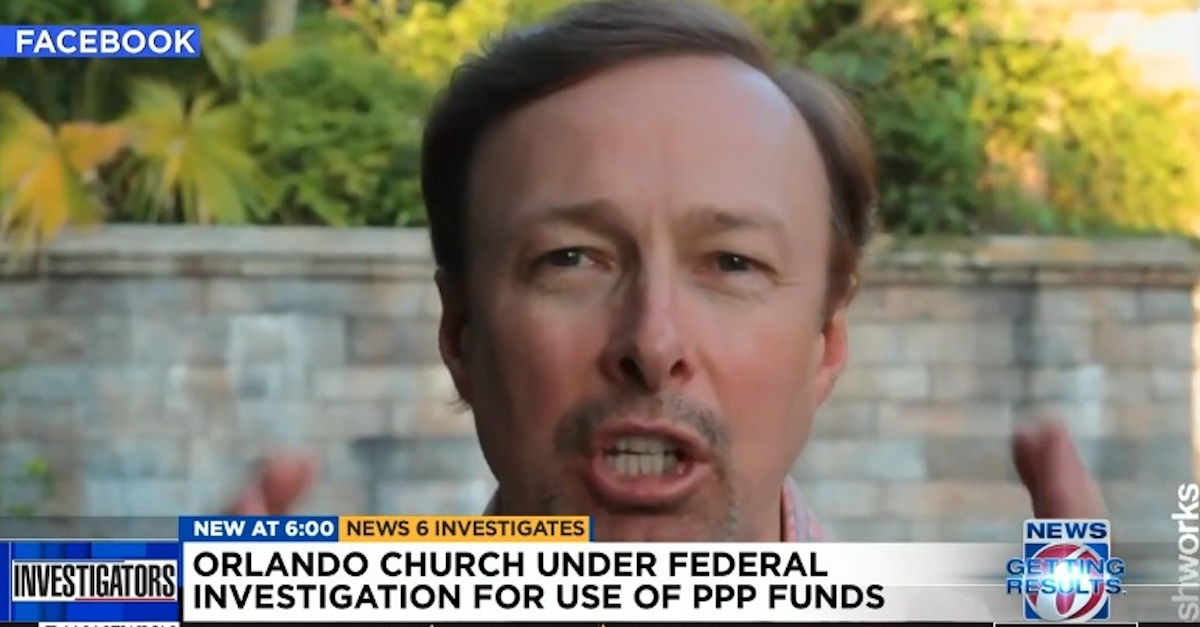
While the legal saga of Evan and Josh Edwards has reached a courtroom resolution, the broader issue of Covid-era fraud remains a massive, unresolved chapter in American history. Government watchdogs estimate that over $200 billion in pandemic relief was likely diverted to fraudulent actors. As the dust settles, we are witnessing a new era of white-collar crime detection and prosecution.
The Paycheck Protection programme (PPP) was designed to keep small businesses afloat during the lockdowns. However, the sheer speed at which funds were distributed—often with minimal vetting—created a “perfect storm” for opportunistic criminals.
The Evolution of Financial Crime Detection
The Edwards case highlights a growing trend: the intersection of complex mental health defenses and massive financial crimes. Much like the notorious case of mobster Vincent “The Chin” Gigante, who spent years feigning mental illness to avoid prison, modern fraudsters are increasingly using cognitive and behavioral health claims to stall legal proceedings.
However, the Department of Justice (DOJ) is fighting back. With the help of forensic psychiatrists and advanced data analytics, investigators are becoming significantly better at distinguishing between genuine medical crises and sophisticated “smoke and mirror” tactics.
How AI is Changing the Fraud Landscape
In the future, we expect to see a surge in AI-driven fraud detection. During the pandemic, the lack of centralized oversight allowed scammers to exploit the system. Now, federal agencies are utilizing machine learning algorithms to cross-reference tax filings, bank records and digital signatures in real-time. If you are a business owner, the takeaway is clear: the digital paper trail is longer and more permanent than ever before.
If your organization received government grants or loans, maintain meticulous records for at least seven years. Ensure that all documentation—from payroll logs to tax returns—is digitized and stored in a secure, cloud-based environment.
The Human Cost of “Easy Money”
Beyond the jail time and the headlines, the fallout from these cases is devastating for legitimate non-profits and ministries. The Edwards family operated “ASLAN International,” a sham ministry that tarnished the reputation of genuine charitable organizations. The long-term impact of these scams is a heightened level of skepticism from donors and increased regulatory scrutiny for every small organization operating in the U.S.
As we move forward, the legal system is prioritizing the recovery of funds. While we cannot undo the losses of the past, the focus is shifting toward “clawbacks”—aggressive efforts to reclaim misused tax dollars from those who thought they could hide behind family structures or complex legal shells.
Frequently Asked Questions (FAQ)
- What happens to the money if a defendant is found incompetent to stand trial?
- While the criminal case might be dropped or paused due to medical incompetence, the government can still pursue civil litigation to seize assets and recover the stolen funds.
- Is Covid fraud still being investigated today?
- Yes. The DOJ has established dedicated task forces that continue to review suspicious PPP and EIDL loan applications. The statute of limitations for most fraud-related crimes is five to ten years, meaning investigators are still very active.
- Why were some people able to get away with it initially?
- The government prioritized speed over verification to prevent a total economic collapse during the height of the pandemic. This “fast-track” approach left gaps that criminals exploited.
What are your thoughts on how the government handled pandemic relief? Should there have been more stringent requirements, or was the speed of the aid worth the risk of fraud? Share your thoughts in the comments below.
For more deep-dives into white-collar crime and legal trends, subscribe to our weekly newsletter and stay ahead of the latest developments.