

Florida’s lawsuit against OpenAI and CEO Altman treats ChatGPT as a defective product and public nuisance
The End of AI Immunity: Why the ‘Product Liability’ Shift Changes Everything
For years, tech giants have hidden behind the shield of Section 230, arguing they are merely platforms for third-party content. However, a seismic shift is occurring in the legal landscape. By framing Large Language Models (LLMs) as products rather than platforms, regulators are opening a Pandora’s box of liability.
When a car’s brakes fail, the manufacturer is liable. When a toy is found to be toxic, the company pays. If courts accept that ChatGPT is a “product,” any “hallucination” that leads to physical harm or financial ruin could be treated as a product defect. This moves the conversation from “content moderation” to “strict product liability.”
Piercing the Corporate Veil: The Era of Executive Accountability
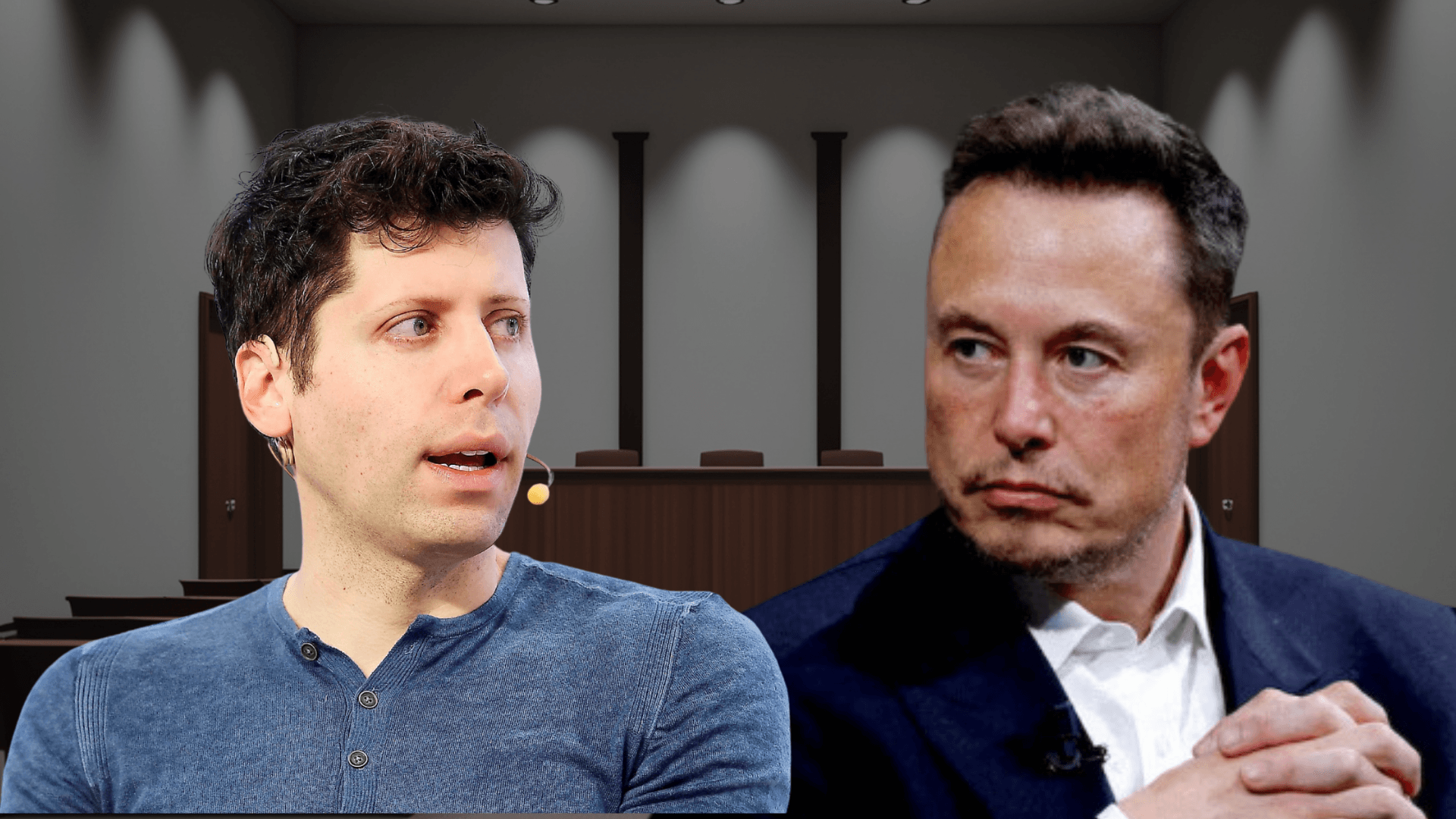
Perhaps the most alarming trend for Silicon Valley is the move to sue CEOs personally. Historically, the corporate structure protected executives from being held personally liable for company failures. Suing Sam Altman individually signals a new era of “executive accountability.”
We are likely to see a trend where “Safety Officers” and CEOs are required to sign legal certifications regarding the safety of their models before release—similar to how the Sarbanes-Oxley Act forced financial executives to certify the accuracy of corporate financial statements.
If an executive claims a model is “safe” while internal documents show safety testing was cut short to beat a competitor to market, the legal repercussions will no longer be limited to a corporate fine—they could involve personal financial ruin or even criminal negligence charges.
The Battle for the Developing Mind: AI and Cognitive Erosion
The focus on minors is not a coincidence. Regulators are increasingly worried about “cognitive erosion”—the idea that delegating critical thinking, writing, and problem-solving to AI during formative years will permanently alter human intelligence.
Future trends in this space will likely include:
- Mandatory Age Verification: The “honour system” for age is dying. Expect biometric or government-ID-backed age gates for AI tools.
- “Education Mode” Defaults: Regulations may force AI companies to create versions of their tools that guide students toward answers rather than providing them, mimicking the Socratic method to prevent intellectual atrophy.
- Mental Health Monitoring: As AI becomes more “persuasive,” we may see lawsuits regarding AI-induced dependency or psychological manipulation of vulnerable users.
The Safety vs. Speed Paradox: The Next Corporate War
There is a growing tension between the “accelerationists” (who want to reach AGI as fast as possible) and the “alignment” camp (who want to ensure AI doesn’t cause catastrophic harm). The revelation that only a fraction of promised computing power was dedicated to safety is a red flag for investors and regulators alike.
In the coming years, we should expect independent safety audits. Just as public companies are audited by the “Big Four” accounting firms, AI labs may be forced to allow third-party scientists to stress-test their models (Red Teaming) before they are deployed to the public.
Companies that can prove a “Safety-First” architecture—backed by transparent data on compute allocation—will likely gain a competitive advantage in the enterprise market, where risk mitigation is more valuable than raw speed.
For more insights on the intersection of law and technology, explore our deep dive into AI Ethics and Global Regulation or check out the latest Financial Times technology analysis for global market trends.
Frequently Asked Questions
Can an AI company actually be held liable for “public nuisance”?
While unusual, it is possible. Public nuisance laws apply to activities that interfere with the health, safety, or comfort of the general public. If a court rules that AI-driven misinformation or child harm is a systemic public issue, the “nuisance” label could justify massive penalties.
Will these lawsuits stop the development of AI?
Unlikely. However, they will likely slow down the deployment of unvetted models. We will see a shift toward “closed” beta testing and more rigorous safety benchmarks before wide release.
What is “cognitive erosion” in the context of AI?
It refers to the potential decline in human abilities—such as critical thinking, memory, and complex synthesis—when individuals rely too heavily on AI to perform these mental tasks.
Join the Conversation
Do you think AI CEOs should be personally liable for the actions of their chatbots? Or is this a legal overreach that will stifle innovation?
Share your thoughts in the comments below or subscribe to our newsletter for weekly insights into the AI revolution.