
Flu Outbreak at Lackland Air Force Base Follows End of Vaccine Mandate
An influenza outbreak at Lackland Air Force Base in San Antonio, Texas, has sickened 159 recruits over the last two weeks, according to reports. The surge follows a decision by Defense Secretary Pete Hegseth to abolish a flu vaccine mandate in place since the 1950s, which saw vaccination rates drop from 100% to 40%.
Two recruits have been hospitalized due to the illness. One recruit died on June 16, though officials are currently conducting assessments to determine if the death is linked to the influenza outbreak. The facility houses 70,000 people who share common areas, including dining halls and dormitories.
Why did the flu outbreak occur at Lackland Air Force Base?
The outbreak developed shortly after Defense Secretary Pete Hegseth ended the mandatory vaccination policy. Hegseth stated the move was intended to guarantee the physical autonomy of recruits and address what he described as an excessive vaccination policy.
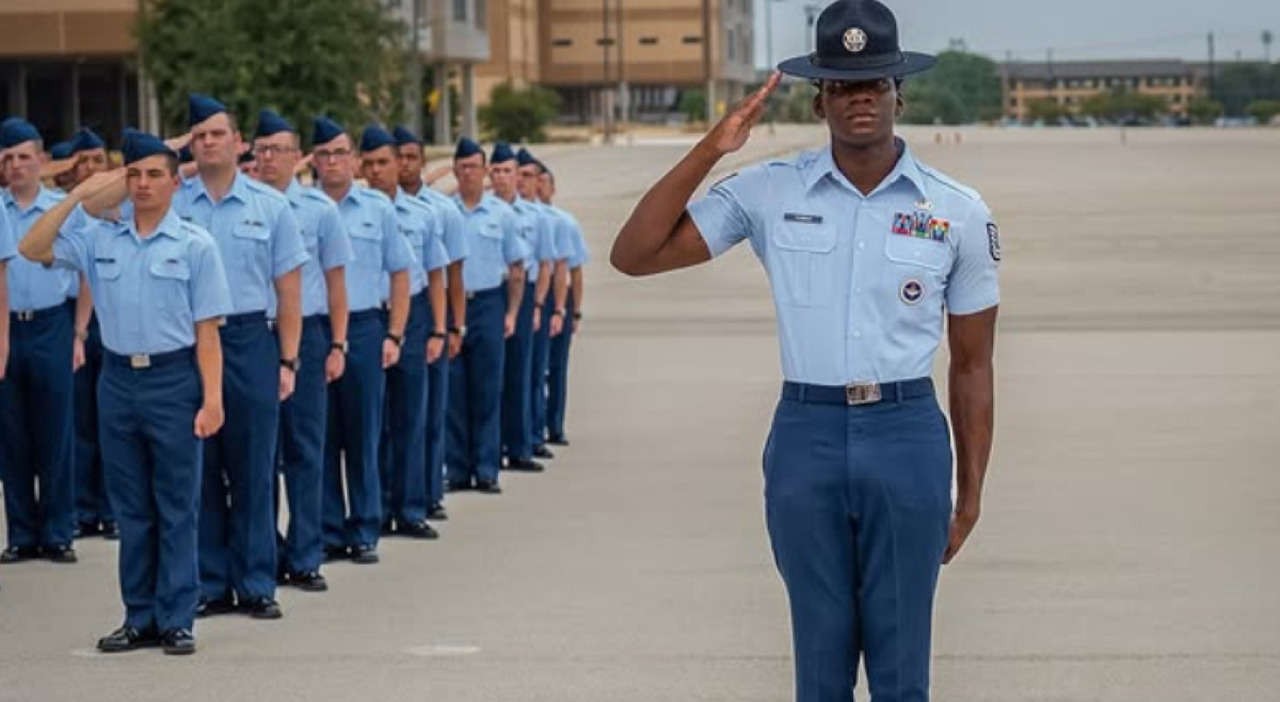
:max_bytes(150000):strip_icc():focal(999x0:1001x2)/airmen-air-force-base-61926-b31971f41a1040d599ad339c63484160.jpg "Why did the flu outbreak occur at Lackland Air Force Base?")
“Our new policy is simple: if you, an American warrior charged with defending this nation, believe that the flu vaccine is in your best interest, then you are free to take it; you should. But we will not force you,” Hegseth said.
This policy shift resulted in a vaccination rate of 40%. The high density of the base, where 70,000 people share living and eating spaces, contributed to the spread of the virus.
What is the operational impact on the military facility?
The outbreak is currently slowing activity across the base. To manage the spread, the Air Force has isolated all symptomatic individuals, according to the New York Times.
Medical personnel have administered antivirals to those affected. The Air Force is now initiating vaccinations in response to the outbreak.
What happens next for personnel health?
Public health specialists warned via ABC News that military personnel could face unnecessary complications from influenza following the end of the mandate. These specialists expressed concern that severe cases may continue to rise in future flu seasons if preventive vaccinations are not provided to high-risk individuals.
Future health outcomes at the base could depend on the uptake of the current vaccination drive. It is possible that the Air Force may need to adjust its approach to high-risk groups to prevent further operational disruptions.
Frequently Asked Questions
How many recruits were affected by the flu at Lackland Air Force Base?
159 recruits became ill over a two-week period, with two requiring hospitalization.
What caused the drop in vaccination rates?
Vaccination rates fell from 100% to 40% after Defense Secretary Pete Hegseth abolished the mandatory flu vaccine policy to ensure the physical autonomy of recruits.
How is the Air Force responding to the outbreak?
The Air Force has isolated symptomatic individuals, administered antivirals, and is now implementing vaccinations.
How should military organizations balance individual health autonomy with collective operational readiness?