
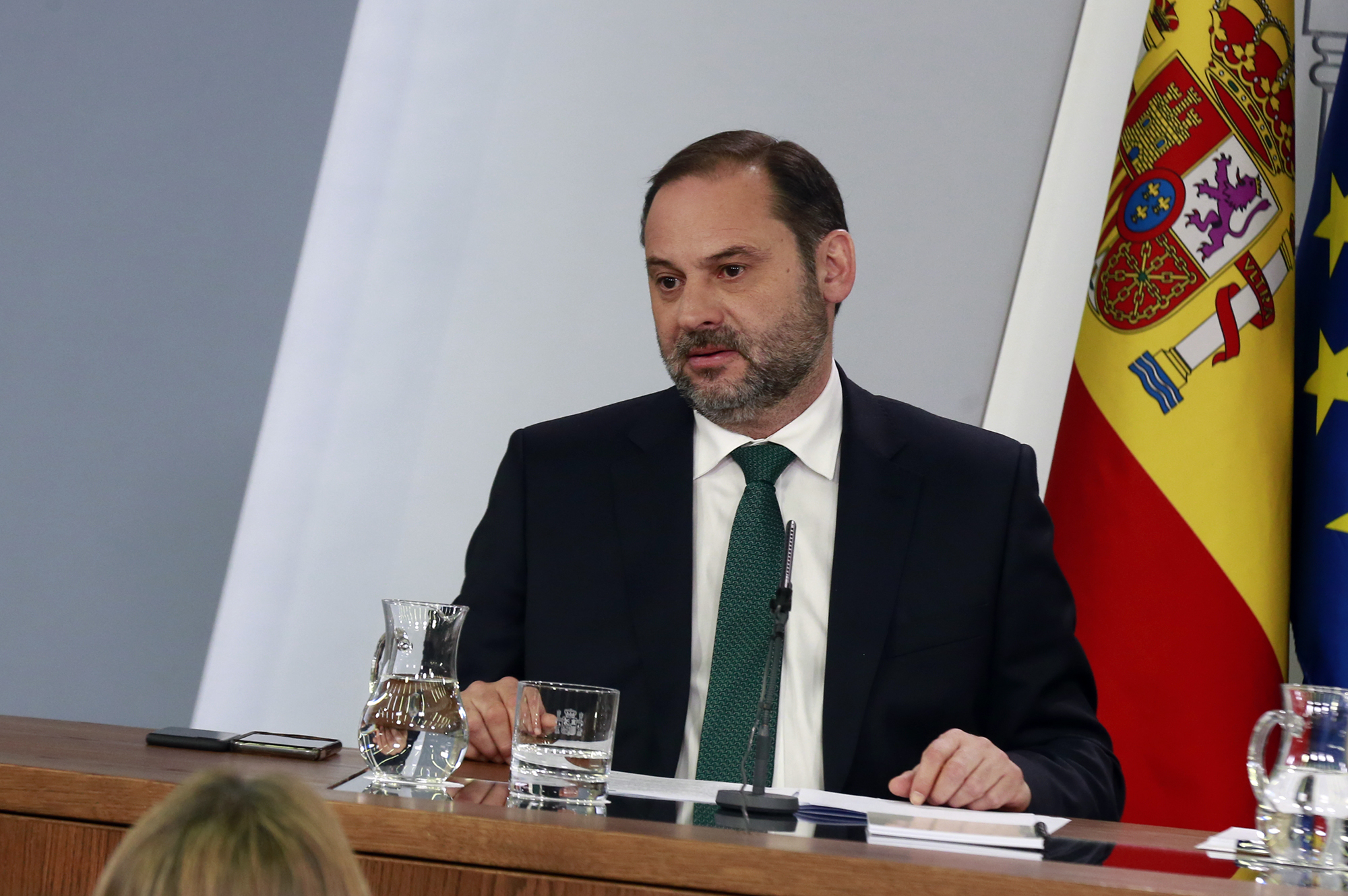
Former Spanish Minister José Luis Ábalos Sentenced to 24 Years for Corruption
The Spanish Supreme Court sentenced former Transport Minister José Luis Ábalos to 24 years in prison for corruption, according to AFP. The court found that Ábalos and others formed a criminal organization to manipulate COVID-19 mask contracts, using public funds for personal luxuries, which has intensified calls for Prime Minister Pedro Sánchez to resign.
Why the Ábalos Sentence Signals a Shift in Emergency Procurement Oversight
The conviction of José Luis Ábalos highlights a growing legal crackdown on “emergency” contracts issued during the pandemic. According to the prosecution, Ábalos received monthly salary supplements, paid family vacations, and payments for mistresses and prostitutes in exchange for awarding million-dollar mask contracts.
This case suggests a trend where courts are no longer accepting “crisis urgency” as a blanket defense for bypassing standard tender processes. When public officials use emergency powers to benefit private entities, the legal system is now treating these actions as organized crime rather than simple administrative errors.
How “Criminal Organization” Designations Impact Political Survival
The Supreme Court explicitly stated that the three defendants created a “criminal organization with a distribution of roles.” This specific legal label transforms a corruption case into a systemic failure of governance.
For Prime Minister Pedro Sánchez, this designation is a liability. Victor de Aldama claimed in court that Sánchez was the leader of the “organized group” and that the PSOE party used these commissions for illegal financing. While Sánchez denies these claims, the “criminal organization” tag provides political ammunition for opposition parties like PP and Vox to demand early elections.
Historically, this mirrors the 2018 collapse of Mariano Rajoy’s government. According to the report, Sánchez rose to power following a massive corruption scandal that brought down the People’s Party (PP). The current trend shows that the same anti-corruption rhetoric used to gain power often becomes the primary weapon used by opponents to remove a leader.
What Happens Next for European Political Accountability?
The Ábalos case establishes a precedent for how high-ranking officials are held accountable for “revolving door” relationships between government ministries and private contractors. Kolda García, Ábalos’s former advisor, was sentenced to 19 years for embezzlement and influence peddling, proving that the legal reach now extends beyond the minister to their inner circle.
Future trends indicate a move toward more transparent, real-time auditing of government contracts. As AI-driven auditing tools become common, the “hidden commissions” and “luxury perks” cited in the Ábalos case will be harder to conceal in future crises.
Comparing the Sentences: A Breakdown of Culpability
| Defendant | Sentence | Primary Charge/Role |
|---|---|---|
| José Luis Ábalos | 24 Years | Corruption & Leadership of Org |
| Kolda García | 19 Years | Embezzlement & Influence Peddling |
| Victor de Aldama | 4.5 Years (Suspended) | Private Contractor / Collaborator |
Frequently Asked Questions
Why was Victor de Aldama’s sentence suspended?
According to the court, his sentence was suspended because he cooperated with investigators during the probe.

Is Prime Minister Pedro Sánchez under official investigation?
While Victor de Aldama alleged that Sánchez led the organized group, the report indicates that Sánchez denies these claims and has not been sentenced in this specific ruling.
What were the specific bribes in the Ábalos case?
The prosecution detailed that Ábalos received monthly salary supplements, paid family vacations, and benefits for mistresses and prostitutes in exchange for contract favors.
Do you think current laws are enough to prevent “emergency corruption,” or should there be a permanent independent auditor for all crisis spending? Let us know in the comments or subscribe to our newsletter for more deep dives into political accountability.