

Former Spanish Minister José Luis Ábalos Sentenced to 24 Years in Prison for Corruption
Spain’s Supreme Court sentenced former Transport Minister and senior Socialist Party (PSOE) official José Luis Ábalos to 24 years in prison on June 22, following a corruption trial centered on the misappropriation of public funds and organized crime. The ruling, which details a systematic scheme of kickbacks and illicit appointments, has triggered calls for the resignation of Prime Minister Pedro Sánchez and sparked a wider investigation into the upper echelons of the Spanish government.
What were the specific charges against José Luis Ábalos?
The court found Ábalos guilty of leading a criminal organization, extortion, embezzlement, and the misuse of public office for illicit gain, according to Deutsche Welle. Evidence presented during the trial revealed that Ábalos, alongside his aide Koldo García, leveraged state contracts for personal enrichment, most notably during the COVID-19 pandemic. The court determined that Ábalos inflated the costs of medical masks purchased for public clinics to secure kickbacks. Beyond cash payments, the court documented that Ábalos accepted luxury properties in Madrid and coastal resorts as bribes. Prosecutors further established that he created “ghost” government positions, funneling the salaries of non-existent employees into his own accounts.
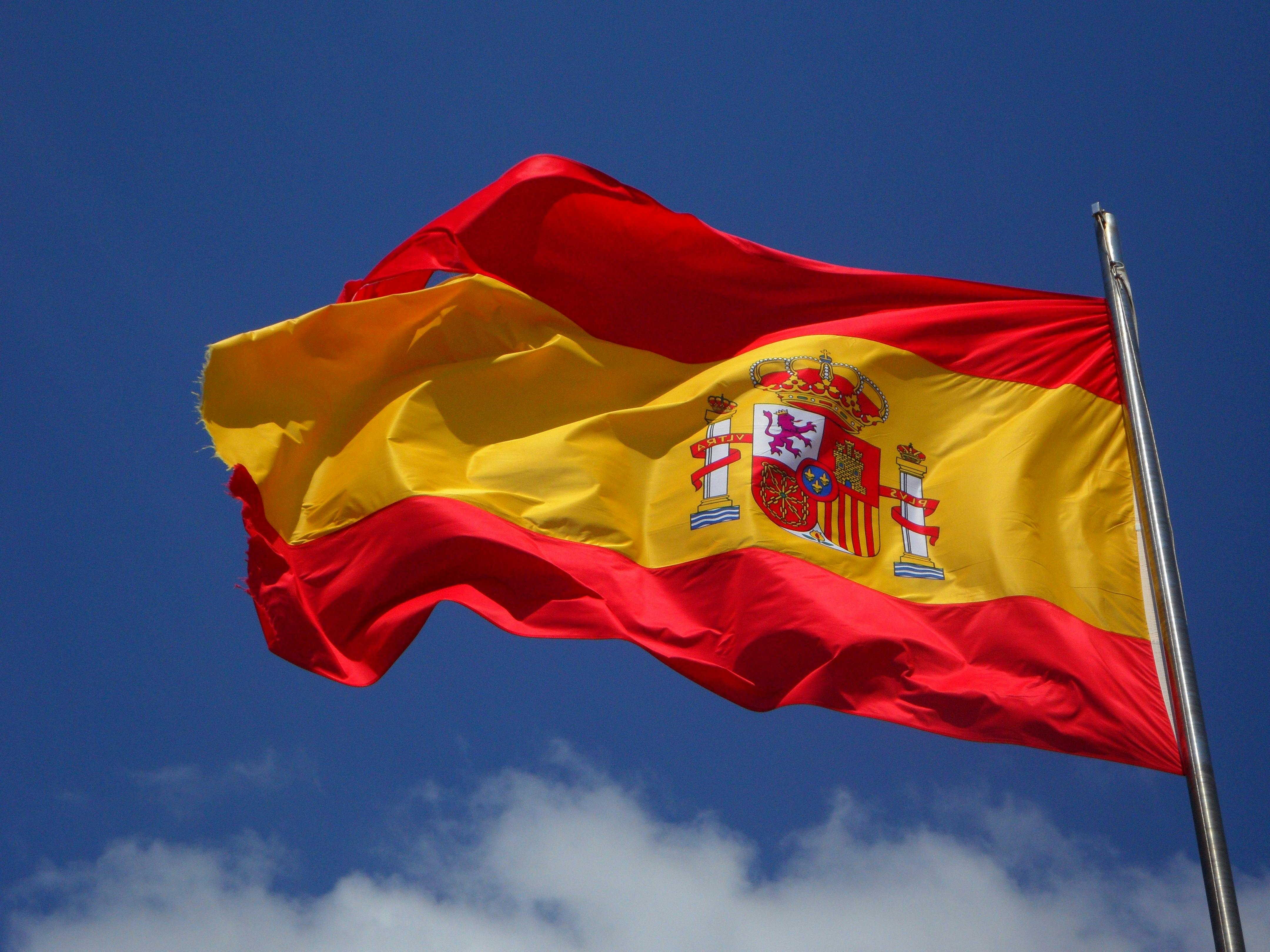
The investigation into Ábalos is part of a broader crackdown on corruption within the PSOE. Currently, 15 separate cases are being reviewed by authorities involving high-ranking officials and their associates.
How is the Spanish political opposition responding?
Alberto Núñez Feijóo, leader of the opposition People’s Party (PP), has leveraged the verdict to challenge the legitimacy of Prime Minister Pedro Sánchez’s government. According to reports, Feijóo explicitly labeled Sánchez as politically responsible for the conduct of his former mentor and deputy, demanding immediate government dissolution and snap parliamentary elections. This political fallout extends to the Prime Minister’s inner circle; investigations are currently active regarding the Prime Minister’s brother, David Sánchez, and his wife, Begoña Gómez. On June 24, the court ordered the confiscation of Gómez’s passport to prevent her from leaving the country.
Are other high-profile figures implicated?
The judicial scrutiny has expanded to include former Prime Minister José Luis Rodríguez Zapatero. Authorities suspect Zapatero of receiving illicit contracts, and police have already seized jewelry valued at 1.3 million euros from his possession. The investigation has also reached his immediate family, with his two daughters currently under scrutiny by investigators. These developments mark a shift in how Spanish authorities are handling political accountability, moving from isolated administrative probes to coordinated criminal prosecutions of former heads of state and their associates.
Comparison: Institutional Corruption vs. Individual Malpractice
| Subject | Current Legal Status |
|---|---|
| José Luis Ábalos | Sentenced to 24 years |
| Begoña Gómez | Passport confiscated |
| José Luis Rodríguez Zapatero | Under investigation; assets seized |
Frequently Asked Questions
- Why was Ábalos sentenced to 24 years? The court found him guilty of multiple felonies, including leading a criminal organization and embezzling public funds during the pandemic.
- Can Begoña Gómez leave Spain? No. As of June 24, the court has confiscated her passport as part of an ongoing investigation.
- How many corruption cases are currently active? According to opposition leaders, there are currently 15 separate cases involving the PSOE and government officials under review.
To stay updated on the legal proceedings involving the Spanish government, monitor official court bulletins and verified judicial reports rather than relying solely on social media speculation.
What are your thoughts on these judicial developments in Spain? Share your perspective in the comments section below or subscribe to our newsletter for ongoing updates on European political shifts.